


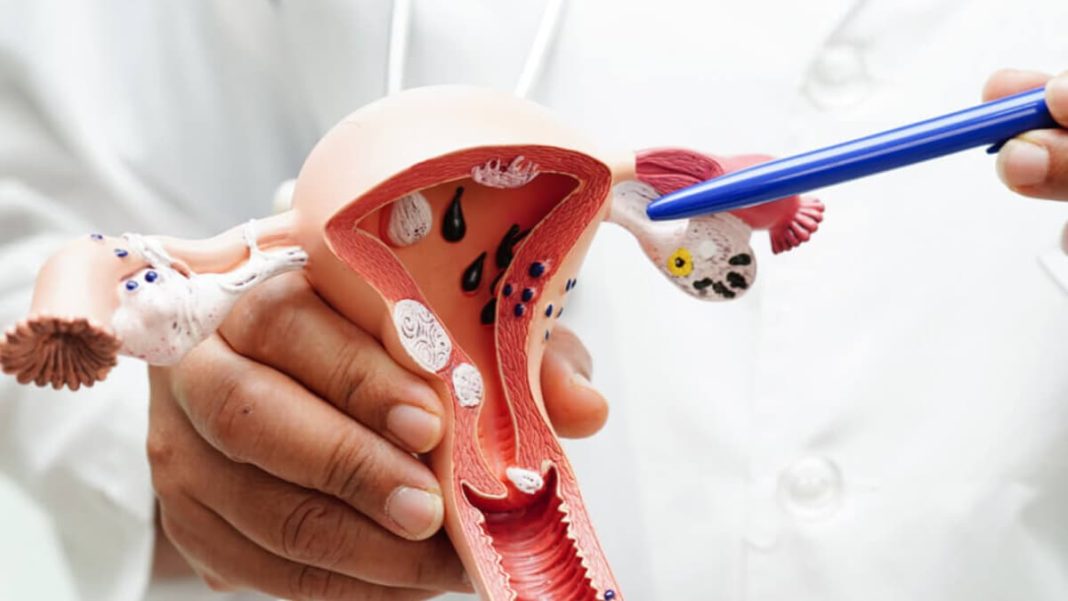
Cervical cancer, often called the silent killer, casts a long shadow over women’s health in India. Globally, India bears a disproportionately high burden of this preventable disease, accounting for nearly a quarter of all cervical cancer deaths. While medical advancements offer a powerful shield against this tragedy – the Human Papillomavirus (HPV) vaccine – its widespread adoption is significantly hampered by a web of misinformation and deeply entrenched social myths. As we strive for a healthier future for Indian girls, it’s imperative to dissect these misconceptions and empower families with accurate information.
The Silent Threat: Cervical Cancer in India
Cervical cancer is predominantly caused by persistent infection with high-risk types of the Human Papillomavirus (HPV). This virus is incredibly common and usually harmless, but certain strains can lead to abnormal cell growth in the cervix, eventually developing into cancer. What makes this particularly poignant in India is the sheer scale of impact. Data indicates that a significant number of Indian women are diagnosed with cervical cancer annually, and a substantial percentage succumb to it, often due to late diagnosis.
The HPV vaccine represents a monumental leap in preventive medicine. Administered to young girls and adolescents, ideally before potential exposure to the virus, it equips their immune systems to fight off the most dangerous HPV strains. This primary prevention strategy has been globally endorsed by health organizations and has shown remarkable success in countries with high vaccination rates, drastically reducing the incidence of cervical cancer. Yet, in India, its life-saving potential remains largely untapped, overshadowed by a cloud of unfounded fears.
Unmasking the Myths: Separating Fact from Fiction
The journey to wider HPV vaccine acceptance in India is paved with the urgent need to address several pervasive myths:
Myth 1: “The vaccine promotes promiscuity or sexual activity.”
This is perhaps the most damaging and common misconception. Many parents hesitate, fearing the vaccine implies or encourages early sexual activity in their daughters. Fact: The HPV vaccine is a medical intervention designed to protect against a virus. It does not alter behaviour or promote promiscuity. Administering it to pre-teen girls (typically between 9 and 14 years old) is recommended precisely because it’s most effective when given before any potential exposure to the virus. Just like vaccines for measles or polio, it’s about building immunity to protect future health, irrespective of personal choices later in life.
Myth 2: “The HPV vaccine is unsafe or causes severe side effects.”
Misinformation campaigns and anecdotal stories often fuel fears about the vaccine’s safety profile. Fact: The HPV vaccine has undergone rigorous testing and continuous monitoring for decades across millions of individuals worldwide. Major health bodies, including the World Health Organization (WHO) and India’s own National Technical Advisory Group on Immunization (NTAGI), affirm its safety and efficacy. Common side effects are mild and temporary, similar to other vaccines: pain, redness, or swelling at the injection site, mild fever, or headache. Serious adverse events are exceedingly rare and not directly linked to the vaccine itself.
Myth 3: “It’s not necessary if a girl isn’t sexually active.”
Some believe that if a girl is not sexually active, she is not at risk and therefore does not need the vaccine. Fact: This overlooks the preventive nature of vaccination. The vaccine is designed to provide protection before potential exposure. HPV is highly prevalent, and while predominantly sexually transmitted, understanding the full spectrum of transmission is complex. Vaccinating pre-adolescents ensures they are protected well in advance, providing them with a robust defence against future risks. Waiting until a girl is sexually active might be too late, as she could have already been exposed to the virus.
Myth 4: “Only married women need to worry about cervical cancer.”
This myth arises from a misunderstanding of how the virus works and who is at risk. Fact: HPV infection can occur at any point in life once exposure begins, and cervical cancer can develop years, even decades, after initial infection. The vaccine is a proactive measure for all girls, offering protection long before they reach adulthood or marital status. Ignoring early vaccination based on marital status leaves young women vulnerable to a preventable disease later in life.
Dr. Priya Sharma, a leading gynecologist based in Delhi, emphasizes, “The HPV vaccine is one of the greatest tools we have in modern medicine to prevent cancer. It’s a tragedy that myths are preventing Indian girls from accessing this protection. We must educate parents and debunk these fears with scientific facts. Prioritizing this vaccine is prioritizing our daughters’ health and their future.”
The Path Forward: Empowering Indian Girls and Families
Overcoming these entrenched myths requires a concerted effort from all stakeholders. Healthcare providers need to be equipped with clear, culturally sensitive communication strategies. Community leaders, educators, and influencers play a crucial role in disseminating accurate information and fostering trust. Government initiatives, like pilots and potential national vaccination programs, are vital in making the vaccine accessible and affordable across diverse socio-economic strata. Ultimately, empowering Indian girls and their families means enabling them to make informed health decisions based on scientific evidence, rather than unfounded fears.
By collectively challenging misinformation and championing the HPV vaccine, India can take a monumental step towards eradicating cervical cancer, safeguarding the health of millions of women, and fulfilling the promise of a healthier tomorrow for its daughters.

