


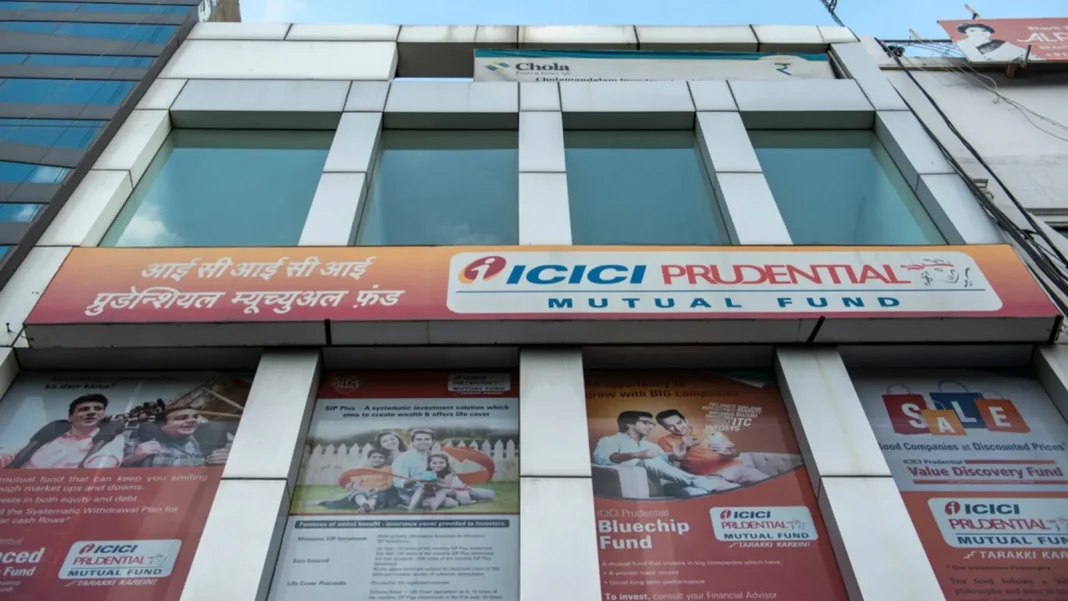
The Indian primary market continues its bustling activity, with significant interest often gravitating towards established financial behemoths. One such anticipated event is the listing of ICICI Prudential Asset Management Company (AMC), a prominent player in India’s rapidly expanding mutual fund industry. As the IPO approaches its listing date on the National Stock Exchange (NSE) and Bombay Stock Exchange (BSE), retail investors are keenly observing the developments. Understanding the nuances before its debut is crucial for making informed decisions in what is often a volatile post-listing environment.
Decoding ICICI Prudential AMC: Business Strengths and Market Footprint
ICICI Prudential AMC stands as one of the largest asset management companies in India, a joint venture between ICICI Bank, India’s largest private sector bank, and Prudential Plc, a leading international financial services group. Its core business revolves around managing assets across a diverse range of mutual funds, portfolio management services (PMS), and other alternative investment funds (AIFs).
One of the primary strengths of ICICI Prudential AMC lies in its extensive distribution network and strong brand recall, amplified by its association with ICICI Bank. This allows it to tap into a vast customer base, from urban centres to semi-urban and rural areas. The company’s comprehensive product suite caters to varied investor risk appetites and financial goals, encompassing equity, debt, hybrid, and international funds. Its leadership position is underscored by its substantial Assets Under Management (AUM), which has consistently placed it among the top AMCs in the country. For retail investors, this signifies a company with a proven track record,
Valuation, Financial Health, and the Industry Landscape
When assessing any IPO, valuation remains a critical aspect. The ICICI Prudential AMC IPO has been priced to reflect its strong financial performance and market standing. Prospective investors should examine the company’s financial health, including its revenue growth, profitability margins, and AUM trajectory. Historically, ICICI Prudential AMC has demonstrated consistent growth in its AUM, driven by both market appreciation and net inflows. Its profit after tax (PAT) has also shown a healthy trend, reflecting efficient operations and cost management.
The offer structure, which is entirely an Offer for Sale (OFS), means the proceeds go to the selling shareholders—ICICI Bank and Prudential Plc—rather than into the company’s coffers. While this doesn’t dilute existing equity, it’s important to understand that the company itself doesn’t receive fresh capital from the IPO. However, the listing will provide liquidity to the existing shareholders and potentially enhance the company’s visibility and corporate governance standards. The asset management industry in India is poised for significant growth, fuelled by increasing financial literacy, rising disposable incomes, and a shift towards financial savings over traditional physical assets. This positive industry outlook, combined with ICICI Prudential AMC’s
“The Indian asset management space is on a multi-year growth trajectory, supported by structural tailwinds like deepening financialisation and a growing investor base,” notes a Mumbai-based equity research analyst. “ICICI Prudential AMC, with its strong parentage and diversified offerings, is well-positioned to capitalise on this. While initial listing premiums can be volatile, the long-term story for quality players in this sector remains compelling.”
Anticipating Listing Day Dynamics and Long-Term Outlook
For many retail investors, the listing day performance is a primary focus. While some IPOs witness significant listing gains, it’s crucial to approach this with a balanced perspective. Listing day performance is influenced by various factors, including overall market sentiment, grey market premiums (GMP) leading up to the listing, and the subscription levels during the IPO phase. A strong oversubscription, especially in the Qualified Institutional Buyers (QIB) and High Net Worth Individual (HNI) categories, often indicates robust institutional confidence, which can positively influence listing.
Beyond the immediate listing day, retail investors should consider the
In conclusion, the ICICI Prudential AMC IPO listing marks a significant event for the Indian capital markets. Retail investors armed with an understanding of its business model, financial health, valuation context, and the broader industry landscape are better equipped to navigate its debut on the bourses. While the allure of quick listing gains is often strong, a diligent, informed approach focusing on the company’s intrinsic value and long-term prospects remains the cornerstone of prudent investment decisions.

