


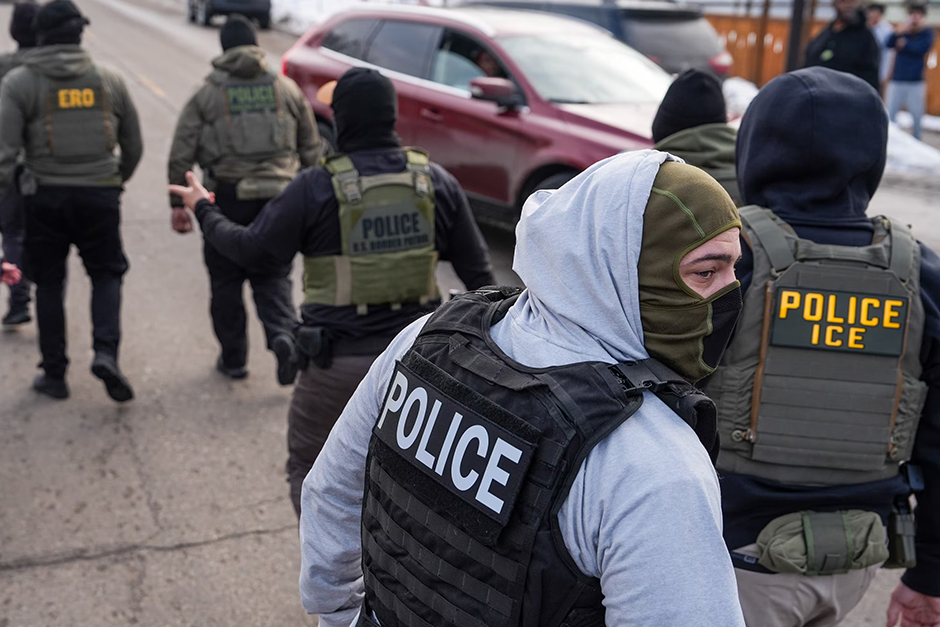
An alarming development has shaken the foundation of trust in law enforcement, specifically within U.S. Immigration and Customs Enforcement (ICE). Reports have surfaced, confirmed by internal investigations, detailing the suspension of ICE officers who allegedly fabricated accounts of being shot at during an operation. This isn’t merely a lapse in judgment; it’s a profound betrayal of the public trust and a serious challenge to the credibility of an agency tasked with upholding the law. When those sworn to protect and serve are found to be deliberately misleading about critical incidents, it raises immediate and troubling questions about accountability and transparency.
The Fabricated Narrative
The incident began with initial reports painting a dramatic picture: ICE officers engaged in a dangerous encounter, claiming they were targeted by gunfire. This narrative, if true, would naturally elicit concern and support for officers facing peril in the line of duty. However, a subsequent internal review meticulously unravelled this account, revealing a starkly different reality. Investigators reportedly found no evidence to support the officers’ claims of being shot at. Instead, the evidence pointed towards a deliberate fabrication, a significant departure from the truth that necessitated immediate action.
The specifics surrounding what prompted the officers to concoct such a serious lie remain under scrutiny, but the consequence is clear: several officers involved in the operation have been suspended. This move signals an internal acknowledgment of severe misconduct, underscoring the gravity of falsifying official reports, especially concerning officer safety and the justification for using force. The integrity of any law enforcement agency hinges on the accuracy of its reporting, and any deviation from truth erodes that fundamental pillar.
Undermining Trust and Accountability
The implications of officers lying about a shooting extend far beyond the immediate personnel involved. Such actions strike at the very heart of public confidence in law enforcement. Citizens rely on agencies like ICE to operate with honesty and integrity, particularly when recounting events that could lead to significant consequences, including the use of force or criminal charges against others. When an internal investigation confirms that officers have deliberately misrepresented facts, it creates a chasm of doubt that is incredibly difficult to bridge.
As one policy observer noted, “Actions like these don’t just undermine the integrity of the individual officers; they cast a shadow over the entire agency and deepen the public’s skepticism. Accountability isn’t just about punishment; it’s about reaffirming the standards we expect from those in power.” This sentiment encapsulates the broader societal impact. For ICE, an agency already facing intense scrutiny, this incident presents a significant challenge in demonstrating its commitment to ethical conduct and transparency. It reinforces the critical need for robust internal oversight mechanisms and a culture where truthfulness is paramount and misrepresentation is met with swift, decisive action.
The suspensions are a crucial first step, but the wider discussion now turns to what further measures will be taken to ensure such deception is deterred and that the public can trust the narratives presented by law enforcement officials. This incident serves as a stark reminder that accountability must be relentless, especially when it concerns the truthfulness of those entrusted with immense authority.
Conclusion: The Imperative of Truth
The suspension of ICE officers for lying about a shooting is a deeply troubling development that highlights the perpetual challenge of maintaining integrity within law enforcement. It underscores the absolute necessity of truthfulness in official reporting and the severe repercussions when that trust is breached. While internal investigations have brought this misconduct to light, the incident leaves lingering questions about the environment that allowed such a lie to be told, and what preventative measures are in place to ensure such serious fabrications do not recur. For the sake of public trust and the integrity of justice, transparent and unwavering accountability for all officers, regardless of their agency, remains non-negotiable.

