


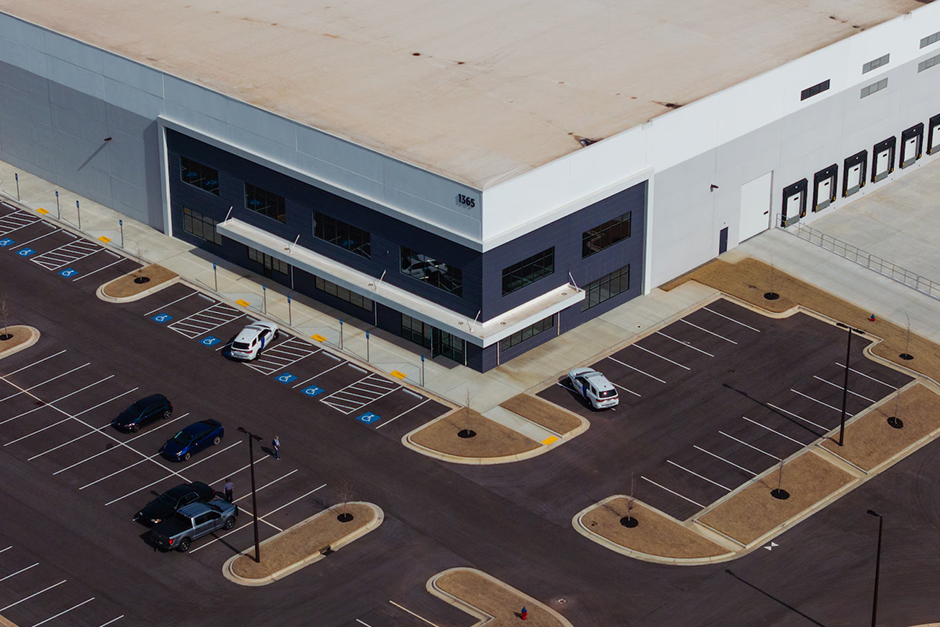
In a move that’s sending ripples across civil society and financial markets alike, Immigration and Customs Enforcement (ICE) is reportedly embarking on an ambitious and incredibly costly venture: a plan to inject an astounding $38.3 billion into transforming existing warehouses into massive detention centers. This isn’t merely an upgrade; it’s a wholesale expansion of an infrastructure many already find deeply problematic, signaling a significant shift in the nation’s approach to immigration enforcement and detainment.
The Staggering Price Tag of Expansion
The sheer scale of ICE’s proposed investment is difficult to overstate. Spending tens of billions to repurpose industrial spaces underscores a clear intent to dramatically increase the capacity for holding individuals awaiting immigration proceedings. For context, this figure dwarfs the budgets of many federal agencies and represents a monumental commitment to a detention-centric model. The shift from purpose-built facilities or even existing contractual agreements to leveraging warehouses suggests an urgent need for space and a long-term vision for expanded detention capabilities.
This massive allocation isn’t just about constructing new walls; it encompasses everything from security enhancements and surveillance systems to the basic human infrastructure needed for sustained detainment. Critics are quick to point out the potential humanitarian implications, with concerns ranging from the quality of life within these repurposed spaces to the impact on communities where such facilities would be located.
As one immigration policy analyst, Dr. Lena Khan, succinctly put it, “This isn’t just about dollars and cents; it’s about fundamentally altering the landscape of immigration enforcement. Such an immense investment begs serious questions about whether we are truly seeking humane solutions or simply expanding a system that has historically faced significant challenges regarding oversight and care.”
From Industrial Hubs to Detention Facilities
The choice of warehouses as the primary target for this transformation is particularly telling. Warehouses offer vast, open floor plans that can be reconfigured relatively quickly and often come with existing utility infrastructure. Their locations, frequently near major transportation arteries and logistics hubs, could also streamline the movement of detainees. This pragmatic approach to acquiring space, however, raises its own set of questions about suitability. While large, these buildings were not designed with human habitation or complex detention needs in mind, prompting concerns about ventilation, natural light, medical facilities, and adequate space for recreation or legal services.
This strategy also reflects a broader trend of leveraging pre-existing structures for various governmental needs, often under the guise of efficiency. However, in the context of human detention, the conversion process must navigate a complex array of standards and ethical considerations far beyond mere logistical convenience. The potential for rapid conversion means a faster rollout of new detention capacity, but at what human cost?
Mounting Concerns and Unanswered Questions
The announcement has inevitably reignited a fierce debate about the role and scope of immigration detention. Civil liberties advocates and human rights organizations are vocal in their apprehension, highlighting historical issues within detention centers, including allegations of substandard conditions, inadequate medical care, and insufficient access to legal counsel. The expansion, especially on such a grand scale, fuels fears of increased detentions, prolonged stays, and a further normalization of what many view as a punitive approach to immigration.
Moreover, the long-term financial implications are significant. Beyond the initial $38.3 billion outlay, the operational costs of maintaining and staffing these new facilities will be immense and ongoing, locking in a particular enforcement strategy for decades to come. This commitment of resources raises crucial questions about alternative, potentially more humane and cost-effective, approaches to managing immigration processes, such as community-based alternatives to detention.
ICE’s ambitious plan to transform warehouses into a sprawling network of detention centers marks a pivotal moment in immigration policy. The colossal financial commitment signals a resolute push towards expanding detention capacity, moving beyond current infrastructure limitations. While proponents might argue for necessity in managing border security and immigration processes, the humanitarian implications, ethical considerations, and long-term societal impacts of such a vast detention architecture demand rigorous scrutiny and open dialogue. This is more than just a construction project; it’s a profound statement about the future direction of immigration enforcement.

