


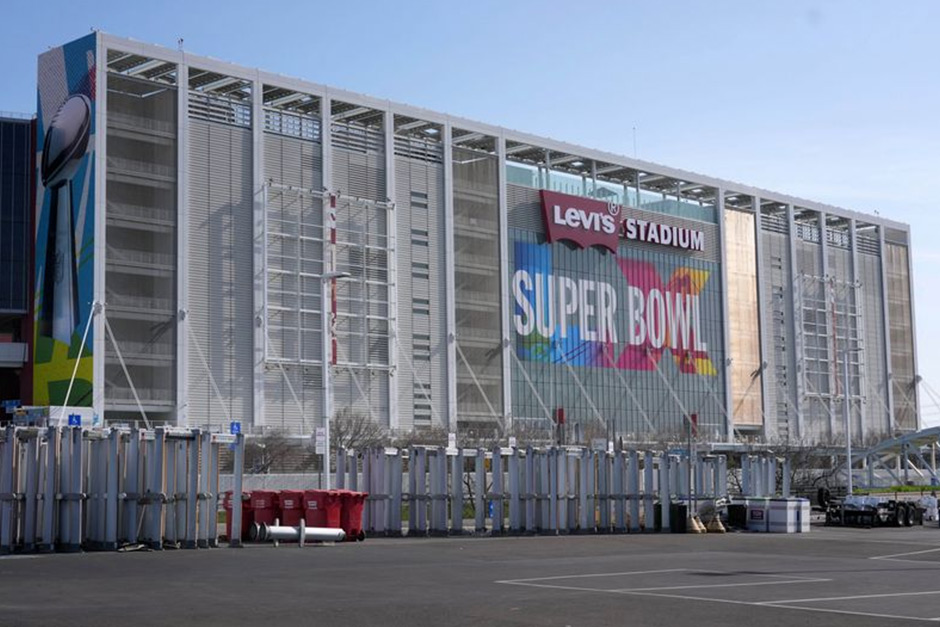
As the eyes of the world turn towards the pinnacle of American football, a significant announcement from Immigration and Customs Enforcement (ICE) has garnered attention, shaping the atmosphere around this colossal event. ICE has made it clear: there are no plans for specific immigration enforcement actions during the Super Bowl festivities. This declaration, while perhaps not surprising to those familiar with standard operating procedures for large-scale public gatherings, offers a moment for reflection on security, community trust, and the broader role of federal agencies at such high-profile events.
Understanding the Operational Approach
The decision to refrain from immigration enforcement at the Super Bowl is rooted in a pragmatic operational strategy often employed for major public events. Law enforcement agencies, including federal partners like ICE, prioritize public safety and security above all else in these environments. The focus shifts to preventing threats, managing crowds, and responding to emergencies, rather than routine immigration checks.
A spokesperson for ICE, speaking informally, emphasized this collaborative spirit: “Our primary goal at events of this magnitude is to ensure the safety of everyone present. This means working hand-in-hand with local law enforcement, emergency services, and event organizers to create a secure environment. Introducing a component that could deter individuals from seeking assistance or reporting suspicious activity would be counterproductive to that overarching mission.”
This approach isn’t an exemption from immigration law, but rather a strategic allocation of resources. Federal agencies, while maintaining their authority, often adapt their enforcement posture to align with the unique demands of high-density, high-visibility public events where broader security concerns take precedence. It’s about optimizing resources to address the most immediate and widespread threats, ensuring the event runs smoothly and safely for all attendees.
Community Trust and Event Atmosphere
The ICE announcement carries significant weight beyond mere operational logistics. For many, it signals a commitment to fostering an inclusive and secure environment where all attendees, regardless of immigration status, can feel safe participating in the celebration. Such assurances can mitigate fear and encourage greater public cooperation, which is vital for effective crowd management and emergency response. When individuals feel secure, they are more likely to report suspicious activities or seek help if needed, contributing positively to the overall security apparatus.
For local communities hosting the Super Bowl, this policy can alleviate anxieties among immigrant populations who might otherwise feel hesitant to engage with the event or even move freely in the city during the festivities. It reflects an understanding that broad enforcement sweeps could inadvertently disrupt the social fabric and economic activities surrounding the game, detracting from the positive impact the event is intended to bring.
However, it’s also important to view this within the larger context of ongoing immigration policies. While this specific event sees a tailored approach, the broader landscape of immigration enforcement remains unchanged. Critics might argue that such announcements, while welcome, highlight the need for more consistent clarity on enforcement priorities in public spaces. Yet, for the Super Bowl, the message is clear: the focus is on football, public safety, and shared celebration.
Ultimately, this approach underscores the delicate balance federal agencies often navigate between their enforcement mandates and the practical realities of ensuring public safety and fostering community trust during major national events. It’s a strategic choice designed to ensure the largest possible number of people can enjoy the spectacle without undue apprehension, allowing the spotlight to remain firmly on the gridiron.
A Focused Celebration
In conclusion, ICE’s declaration regarding its operational plans for the Super Bowl reflects a strategic and collaborative effort to prioritize comprehensive public safety and security at a massively attended event. By focusing on general security and avoiding specific immigration enforcement, the agency aims to ensure a welcoming and apprehension-free atmosphere for all participants. This policy, while specific to the unique context of the Super Bowl, offers valuable insights into the careful considerations involved in managing security at such significant public gatherings, allowing the focus to remain squarely on the excitement and unifying spirit of the game itself.

