


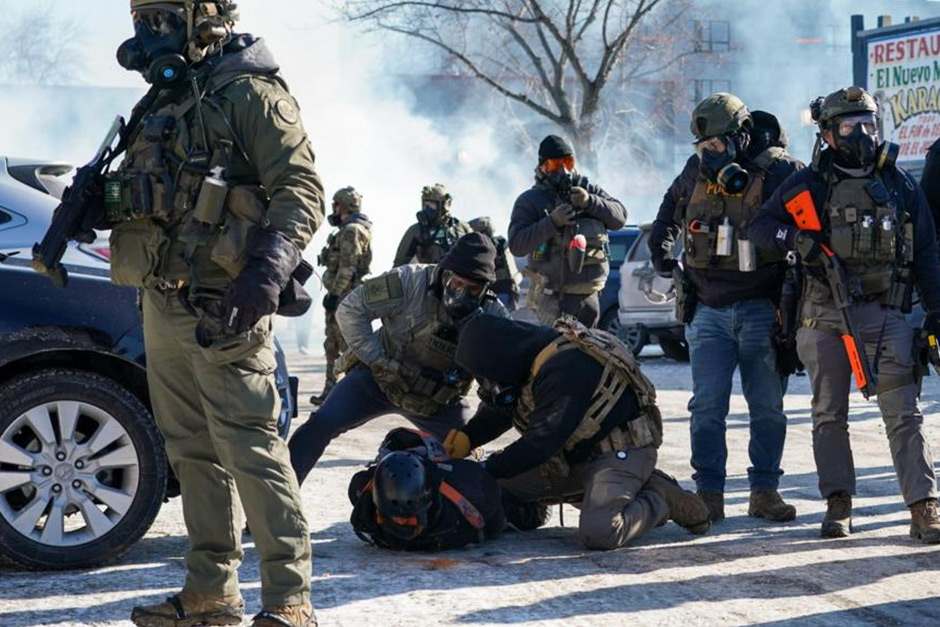
When high-ranking officials from Immigration and Customs Enforcement (ICE) and the Department of Homeland Security (DHS) address Congress, it’s often a pivotal moment for both public scrutiny and policy development. These appearances are a regular, yet often intense, aspect of the governmental process, providing a platform for executive agencies to explain their operations, justify their budgets, and respond to legislative inquiries regarding some of the nation’s most complex and frequently debated issues: immigration enforcement and border security.
The Dynamic of Congressional Oversight
The relationship between executive agencies like ICE and DHS and the legislative branch is one of constant interaction and oversight. Congress, through its various committees—such as those focused on appropriations, homeland security, and the judiciary—holds the power of the purse and the responsibility to ensure federal agencies are operating effectively and within legal parameters. When officials from these departments speak to Congress, they are typically providing updates on operational challenges, discussing resource needs, and explaining the implementation of existing laws and policies.
This engagement is crucial for transparency and accountability. Lawmakers often press for details on specific incidents, enforcement trends, and the overall impact of agency activities on communities and individuals. These discussions are rarely without spirited debate, reflecting the diverse perspectives within Congress on how best to approach immigration policy, national security, and civil liberties. It’s a fundamental mechanism for ensuring checks and balances within the government, allowing elected representatives to question, critique, and ultimately influence the direction of federal agencies.
Key Areas of Discussion and Policy Focus
Discussions between ICE and DHS officials and members of Congress typically revolve around several critical areas. Border management and security often top the agenda, encompassing everything from the number of encounters at the border to the effectiveness of surveillance technologies and infrastructure. Lawmakers frequently seek clarity on the processing of individuals, asylum procedures, and the humanitarian conditions within federal facilities.
Beyond the border, interior enforcement is another significant topic. This includes strategies for identifying and apprehending individuals residing in the country without authorization, efforts to combat human trafficking and smuggling, and the agency’s priorities regarding deportations. The allocation of resources—funding for personnel, technology, and facilities—is perpetually under review, with officials often advocating for increased budgets to meet operational demands. Furthermore, policy adjustments, whether proposed by the administration or Congress, are frequently dissected, with officials providing insights into potential operational impacts.
As one policy analyst observed, “These hearings are critical for transparency, allowing the public to understand the operational realities and the resource constraints faced by agencies tasked with such complex mandates. It’s where the rubber meets the road between policy intent and practical application.” The public interest in these conversations remains consistently high, given the broad societal implications of immigration and security policies.
Navigating the Path Forward
The testimony and dialogue from ICE and DHS officials before Congress are more than just informational exchanges; they are influential moments that can shape future legislative actions and administrative policies. The insights shared by agency leaders, coupled with the concerns raised by lawmakers, often lay the groundwork for new bills, amendments to existing laws, or shifts in enforcement priorities. These engagements underscore the continuous nature of policy development in a dynamic area that intersects national security, economic policy, and humanitarian considerations.
As these discussions unfold, they contribute to the broader national conversation about immigration, balancing the imperative for secure borders with the desire for humane and efficient processes. The outcomes of these congressional engagements can have far-reaching effects, influencing everything from federal spending on enforcement to the lives of individuals and communities across the nation. It represents an ongoing dialogue in the pursuit of effective governance.

