


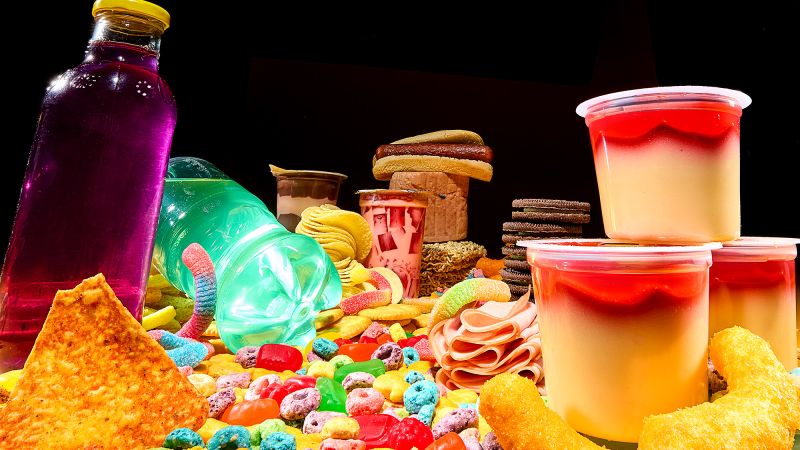
You’d think someone who spends their days researching and writing about ultraprocessed foods (UPFs) would have it all figured out. A pristine pantry, a perfectly curated shopping list, zero temptations. The reality? Not even close. While I can eloquently explain the science behind why UPFs are detrimental to health, offering clear, actionable advice on how to definitively avoid them feels like trying to catch smoke. And that, frankly, is a huge part of the problem.
The Ubiquity Problem and Clever Camouflage
The first hurdle is sheer pervasiveness. UPFs aren’t just the obvious culprits like soda, candy, and chips. They lurk in places you least expect, disguised as health-conscious options. Think about that “healthy” granola bar, the low-fat yogurt, the whole-grain bread, or even many plant-based meat alternatives. These items often boast appealing claims – “high fiber,” “fortified with vitamins,” “natural ingredients” – but a closer look at their ingredient lists reveals a cocktail of additives: emulsifiers, thickeners, artificial flavors, and industrially modified starches.
This widespread presence makes genuine avoidance a constant mental battle. It’s not just about resisting temptation; it’s about deciphering complex labels under fluorescent supermarket lights while your kids tug at your sleeve. My friend Maya, a busy parent, recently lamented, “I try to buy ‘better’ options, but half the time I get home, read the label more closely, and realize I’ve still bought something packed with stabilizers and emulsifiers. It’s exhausting.” She’s not alone. The sheer volume of choices, coupled with confusing jargon, makes informed decisions incredibly difficult for the average consumer.
The Convenience Trap and Economic Pressure
Beyond their omnipresence, UPFs are incredibly convenient and often surprisingly affordable. In our fast-paced world, where time is a precious commodity, the appeal of a ready-to-eat meal, a quick breakfast cereal, or a grab-and-go snack is undeniable. Preparing whole, unprocessed meals from scratch takes time, effort, and often, more planning. Many of us simply don’t have the luxury of spending hours in the kitchen every day.
Then there’s the economic reality. For many families, fresh fruits, vegetables, and lean proteins can be significantly more expensive than their processed counterparts. A bag of apples might cost more than a box of sugary cereal, and a homemade meal often requires an initial outlay for multiple ingredients, whereas a microwaveable dinner is a single, seemingly cheap purchase. Food companies have perfected the art of creating palatable, cheap, and long-lasting products, making them the default choice for budget-conscious shoppers and those with limited access to fresh food markets. This isn’t a failure of willpower; it’s a structural challenge embedded in our food system.
The Systemic Nature of the Problem
The core issue is that avoiding UPFs isn’t just an individual choice; it’s a systemic challenge. Our food environment is designed to push these products onto us. From aggressive marketing campaigns that target children to supermarket layouts that prioritize processed aisles, the deck is stacked. Governments often struggle to implement clear, impactful regulations, partly due to powerful industry lobbying. Furthermore, the scientific community itself is still refining how we define and categorize UPFs, leading to varying advice that can confuse the public further.
So, while I can tell you what UPFs are and why they’re problematic, I can’t give you a simple, foolproof map to escape them entirely. What I can do is urge you to remain curious, read those labels with a critical eye, and understand that this isn’t a personal failure, but a systemic challenge we’re all navigating together. Advocating for better food policies and demanding transparency from manufacturers is just as crucial as what we choose to put in our own shopping carts.

