


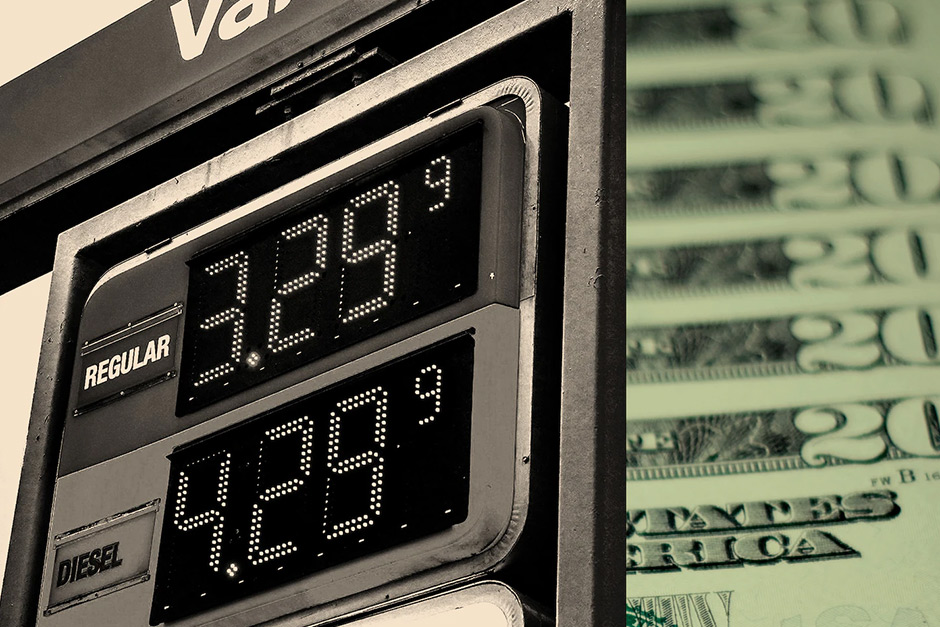
The whispers are growing louder, turning into a rumble we can all feel: the specter of $4 a gallon gas. For many, it’s not just an inconvenience; it’s a genuine strain on household budgets, impacting everything from daily commutes to grocery runs. But here’s the empowering truth: you don’t have to wait for the pumps to hit that psychological barrier to feel helpless. Taking proactive steps now can significantly cushion the blow and strengthen your overall financial footing.
Mastering Your Money Map: The Budget Blueprint
Before you can steer clear of financial distress, you need to know exactly where you stand. The first, and arguably most crucial, step is to get an accurate picture of your income versus your expenses. Many people operate under a vague idea of their spending, but rising fuel costs demand precision.
Start by tracking every dollar you spend for a few weeks. Use an app, a spreadsheet, or even a simple notebook. Once you see where your money is actually going, you can identify areas for adjustment. Are there subscriptions you’ve forgotten about? Daily lattes that add up? Dining out too frequently?
“Understanding your spending patterns is like getting the keys to your financial freedom,” advises Sarah Jenkins, a financial literacy advocate. “You can’t fix what you don’t measure. Once you see the leaks, you can plug them and reallocate those funds to where they’ll do the most good – like an emergency fund or directly offsetting higher gas costs.”
Create a realistic budget. Allocate funds for essentials, including a projected higher gas cost, and then for discretionary spending. The goal isn’t deprivation, but conscious choice.
Smarter Journeys: Fueling Efficiency & Alternatives
Since gas prices are the immediate concern, a direct assault on your fuel consumption is a powerful strategy. It’s not just about driving less; it’s about driving smarter.
First, ensure your vehicle is well-maintained. Properly inflated tires, regular oil changes, and clean air filters can all improve fuel efficiency. Think about your driving habits: aggressive acceleration and hard braking are gas guzzlers. Smooth, steady driving conserves fuel significantly.
Consider combining errands into a single trip rather than making multiple short ones. Even better, explore alternatives. Could you carpool with a coworker? Is public transportation an option for some of your commutes? For closer distances, walking or cycling not only saves money but boosts your health too.
Every small adjustment in your daily commute can translate into significant savings over time. It’s about being mindful of each journey and optimizing it for cost and efficiency.
Building Your Financial Fortification: Beyond the Pump
While specific strategies for gas prices are important, this looming challenge also serves as a potent reminder of the importance of overall financial health. Strengthening your finances generally will make you more resilient to any unexpected expense, including a jump at the pump.
Prioritize building an emergency fund. Aim for at least three to six months’ worth of essential living expenses. This fund acts as a critical buffer, preventing you from relying on high-interest credit cards when unexpected costs arise. If you don’t have one, start small. Even $20 a week can make a difference over time.
Next, tackle high-interest debt. Credit card debt, for instance, can erode your financial stability faster than almost anything else. Paying it down frees up more of your income for savings or to absorb higher living costs.
Finally, explore opportunities to increase your income, even modestly. A small side hustle, selling unused items, or negotiating a raise at work can all add valuable cushion to your budget. Every extra dollar earned and saved contributes to a stronger, more resilient financial future.
Don’t wait for the pump price to dictate your financial peace. Take control now. By understanding your money, optimizing your travel, and strengthening your overall financial foundation, you can navigate rising gas prices and emerge stronger on the other side.

