


The echoes of a crisis many thought confined to distant shores are reverberating closer to home, placing a stark spotlight on America’s preparedness for any widespread health threat. While the current Ebola outbreak may feel remote to some, its very existence serves as a critical stress test for our nation’s pandemic readiness — a blueprint, if you will, for how we might fare when the next unknown pathogen emerges.
It’s not just about the direct threat of a single disease; it’s about the intricate web of systems, protocols, and human responses that underpin our collective safety. Ebola, with its high fatality rate and the unique challenges it poses for containment, offers an invaluable, if unsettling, real-world exercise in assessing our national capacity to detect, respond to, and ultimately protect our communities from a health catastrophe.
Beyond Borders: The Global Ripple Effect
In our hyper-connected world, no outbreak remains truly isolated. A health crisis in one corner of the globe inevitably sends ripples across continents, testing our ability to monitor, screen, and respond to potential introductions. This isn’t just about airport temperature checks; it’s about sophisticated data analysis, international collaboration, and rapid communication channels that identify and track threats before they become widespread. The initial responses to Ebola have highlighted the incredible speed with which pathogens can travel and the necessity of robust early warning systems.
As Dr. Lena Khan, a public health expert, recently observed, “When a health crisis erupts anywhere in our interconnected world, it instantly becomes a potential crisis everywhere. Our readiness isn’t just about what’s within our borders, but how effectively we engage beyond them to prevent and mitigate global health threats.” This perspective underscores that true national security in health starts far beyond our national boundaries.
On the Front Lines: Equipping Our Healthcare Heroes
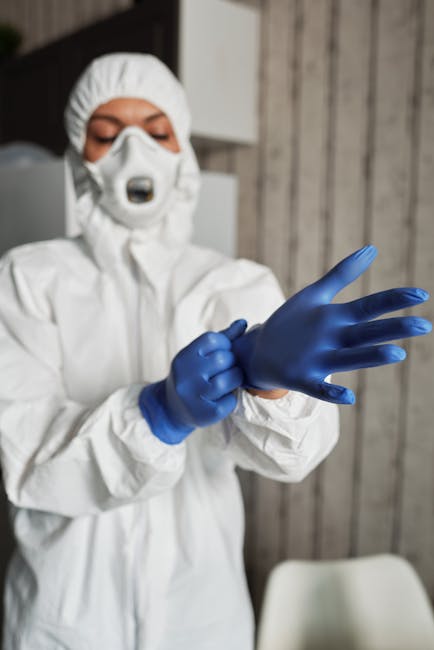
Perhaps the most immediate and visceral test of pandemic readiness falls upon our healthcare system. From major urban hospitals to rural clinics, are our medical facilities truly equipped to handle a highly contagious, deadly disease? This involves more than just having a few isolation rooms. It encompasses the availability of adequate personal protective equipment (PPE), rigorous training for all staff on proper donning and doffing, clear decontamination protocols, and the capacity for rapid diagnostic testing.
Beyond the physical resources, there’s the human element. Healthcare workers are our first line of defense, and their ability to perform under pressure depends not only on their skills but also on systemic support. This includes psychological support, surge staffing plans, and transparent communication from leadership. The Ebola outbreak forces us to scrutinize whether our emergency preparedness plans truly translate into actionable, confidence-inspiring realities for those who risk their lives to save others.
The Crucial Role of Public Trust and Communication
Ultimately, a nation’s pandemic readiness isn’t solely about scientific breakthroughs or medical infrastructure; it’s deeply entwined with public trust and effective communication. In times of crisis, fear and misinformation can spread faster than any virus. Clear, consistent, and empathetic communication from public health authorities and government leaders is paramount to maintaining calm, ensuring compliance with health guidelines, and preventing panic.
The Ebola challenge tests our ability to distill complex medical information into understandable guidance, to combat unfounded rumors, and to foster a sense of collective responsibility without inciting undue alarm. When citizens trust the information they receive, they are more likely to act in ways that protect themselves and their communities, which is a powerful, yet often underestimated, tool in pandemic control.
The Ebola outbreak, while a tragedy for those directly affected, serves as an undeniable catalyst for introspection regarding America’s pandemic readiness. It’s a sobering reminder that preparedness is not a static state but an ongoing, dynamic process of learning, adapting, and investing. By examining our responses through the lens of this current crisis, we gain invaluable insights into strengthening our defenses for whatever health challenge the future may hold.

