


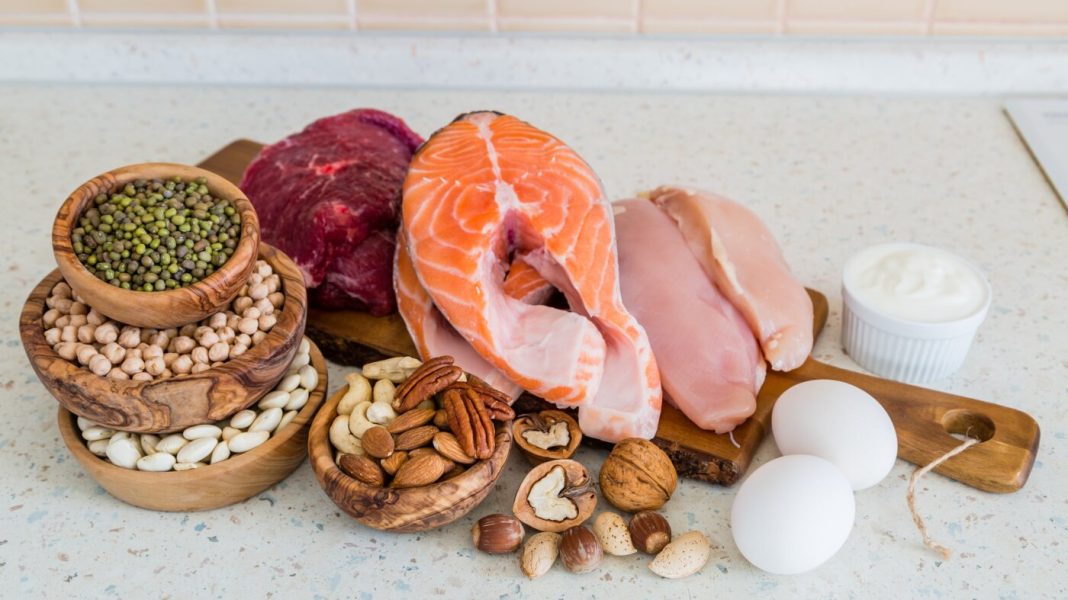
Protein. It’s the buzzword that echoes through every fitness blog, diet plan, and gym conversation. From lean muscle to satiety, its benefits are championed far and wide. But amidst the cacophony of advice, a crucial question often gets lost: how much protein do you—yes, specifically you—actually need? Forget the one-size-fits-all mantras; your perfect protein intake is as unique as your fingerprint. Let’s decode it together.
Your Unique Blueprint: Why Protein Needs Aren’t Universal
The internet is awash with numbers – 0.8g/kg, 1g/lb, 30g per meal. While these figures offer a starting point, they rarely tell the whole story. Your protein requirements aren’t static; they’re a dynamic reflection of your lifestyle, goals, and even your age. What works for a professional bodybuilder won’t necessarily be optimal for someone leading a largely sedentary life, and vice-versa. Understanding the variables that influence your needs is the first step towards truly optimizing your diet for better health, performance, and well-being.
Dialing In Your Daily Dose: Key Factors to Consider
So, how do we move from general guidelines to a personalized strategy? It comes down to a few critical considerations:
Your Activity Level and Lifestyle
- Sedentary or Moderately Active: If your daily routine involves minimal strenuous activity, your baseline protein requirement might hover around 0.8 to 1.0 grams per kilogram (g/kg) of body weight. This is generally enough to prevent deficiency and support basic bodily functions.
- Regular Exercisers (Endurance/Recreational): For those engaging in regular, moderate exercise like jogging, cycling, or gym sessions a few times a week, bumping up to 1.0 to 1.4 g/kg can aid in recovery and muscle repair.
- Strength Trainers & Athletes: This is where protein truly shines for muscle synthesis. Individuals lifting weights intensely, or athletes involved in demanding sports, often benefit from 1.6 to 2.2 g/kg (or even slightly higher for advanced lifters during specific phases). This higher intake supports muscle growth, repair, and reduces muscle protein breakdown.
Your Goals: Build, Maintain, or Lose?
- Muscle Gain (Hypertrophy): Adequate protein is paramount. Aiming for the upper end of the athletic range (1.6-2.2 g/kg) while in a caloric surplus is crucial for maximizing muscle protein synthesis.
- Weight Loss (Fat Loss): Protein is your ally. A higher protein intake (often 1.2 to 1.6 g/kg, sometimes more) can help preserve lean muscle mass during a calorie deficit, increase satiety (keeping hunger at bay), and boost the thermic effect of food. “Many clients find that prioritizing protein is the single most effective dietary change for feeling full and staying on track with their weight loss goals,” says nutritionist Sarah Jenkins.
- Maintenance: Once you’ve achieved your desired body composition, protein still plays a vital role. Aiming for 1.0 to 1.6 g/kg generally helps maintain muscle mass and overall health.
Age and Special Circumstances
- Older Adults: Protein needs don’t decrease with age; they often increase. To combat sarcopenia (age-related muscle loss), older adults may benefit from higher intakes, similar to those of active younger individuals (1.0 to 1.6 g/kg or more).
- Pregnancy/Lactation: These periods demand increased protein for fetal development and milk production, with specific recommendations varying but generally higher than baseline. Always consult a healthcare professional for guidance during these stages.
Navigating the world of protein doesn’t have to be overwhelming. Instead of rigidly following generic advice, embrace the journey of discovery to understand what truly fuels your body best. Consider your activity, your aspirations, and your unique physiological stage. Start by calculating a range based on these factors, experiment with quality sources spread throughout your day, and most importantly, listen to how your body feels. The perfect amount of protein isn’t a fixed destination, but a personalized pathway to optimal health and performance.

