


In the complex web of global geopolitics and energy trade, the flow of oil often dictates power dynamics and economic stability. For India, a nation heavily reliant on crude imports, these dynamics are particularly pertinent. While New Delhi has largely aligned with international sanctions against Tehran, the broader picture reveals a persistent shadow trade that continues to fuel Iran’s economy and shape global oil markets: the clandestine network involving China’s hidden banking channels and Hong Kong-based front firms.
The United States’ withdrawal from the Joint Comprehensive Plan of Action (JCPOA) in 2018 and subsequent reimposition of stringent sanctions aimed at crippling Iran’s oil exports created an immediate challenge for Tehran. Oil sales are the lifeblood of the Iranian economy, and without access to conventional international banking systems, the country needed ingenious ways to bypass these restrictions. For buyers, particularly energy-hungry nations, the allure of discounted Iranian crude was a powerful incentive, even if it meant navigating a minefield of sanctions.
Sanctions and Iran’s Quest for Oil Revenue
The objective of US sanctions was clear: to reduce Iran’s oil exports to zero, thereby cutting off its primary source of foreign currency. This move significantly impacted countries like India, which had historically been a major importer of Iranian crude due to favourable pricing and payment terms. While India scaled back its imports to avoid secondary sanctions, the global demand for oil remained high, creating a vacuum that China was quick to fill, albeit through less conventional means.
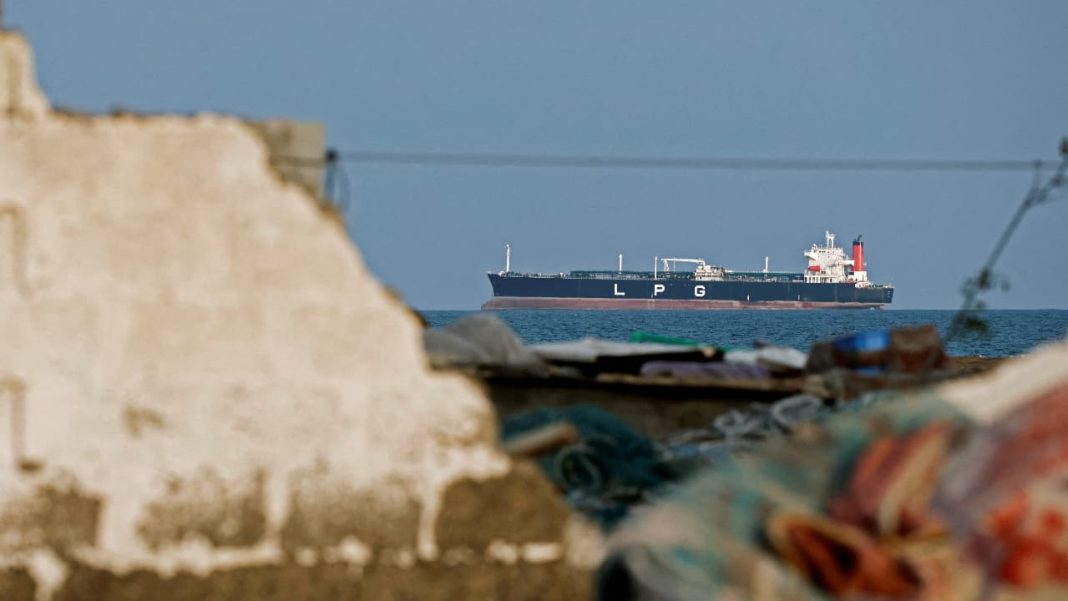
Iran, in turn, became adept at masking the origin of its oil. Tactics include disabling transponders on tankers, conducting illicit ship-to-ship transfers at sea, and rebranding Iranian crude as originating from other nations, often Malaysia or the UAE. This elaborate shell game ensures that the oil reaches its destination without direct attribution to Iran, allowing buyers to claim compliance while still benefiting from cheaper supplies. However, the movement of the physical commodity is only one half of the equation; the financial transactions are where the real complexity, and the involvement of China and Hong Kong, comes to the fore.
The Sino-Iranian Oil Axis: A Network of Obfuscation
China has remained Iran’s largest oil customer, absorbing a significant portion of its sanctioned crude. The mechanism through which these transactions are financed is a testament to the ingenuity of financial circumvention. At the heart of this system are obscure Chinese banks – often smaller, regional institutions that have minimal exposure to the US financial system. These banks, operating largely outside the purview of major international oversight bodies like SWIFT, facilitate payments in yuan, making them less susceptible to dollar-denominated sanctions.
Beyond mainland China, Hong Kong plays a pivotal role as a nexus for front companies. Its status as a global financial hub, coupled with relatively easier company registration procedures and a robust legal framework that historically emphasized commercial confidentiality, makes it an ideal location for setting up shell entities. These Hong Kong-based firms typically act as intermediaries, creating a complex web of ownership and invoicing that deliberately obscures the ultimate beneficiary and the true origin of the funds.
These front companies often share common characteristics: newly established, minimal online presence, and frequently changing directors. They are primarily used to issue invoices, route payments, and manage logistics without directly linking back to Iranian entities. This multi-layered approach makes it incredibly challenging for sanctioning bodies to trace the funds and prove direct involvement. As one geopolitical analyst noted, “The sophistication of these financial labyrinths means that tracing the true beneficiary requires immense intelligence resources and cross-border cooperation, which is often difficult to achieve.” The payments are then often channelled through the less visible Chinese banks, ensuring the funds eventually reach Iranian accounts or are used for permitted humanitarian trade.
The existence of this shadow trade has broader implications. For India, while it provides a degree of stability in global oil prices by ensuring supply, it also underscores the limitations of unilateral sanctions. It highlights the delicate balancing act nations face in navigating international alliances, energy security, and compliance. The resilience of the Sino-Iranian oil axis means that despite stringent sanctions, Iran continues to access crucial revenue, albeit at a discounted rate, challenging the effectiveness of current pressure tactics.
The clandestine network of Chinese banking channels and Hong Kong front firms represents a sophisticated response to geopolitical pressures. It allows Iran to maintain its vital oil exports, China to secure discounted energy supplies, and a grey market to flourish outside conventional financial scrutiny. As global energy demands persist and geopolitical tensions remain high, understanding these hidden mechanisms is crucial for comprehending the true landscape of international trade and the intricate challenges faced by nations like India in securing their energy future.

