


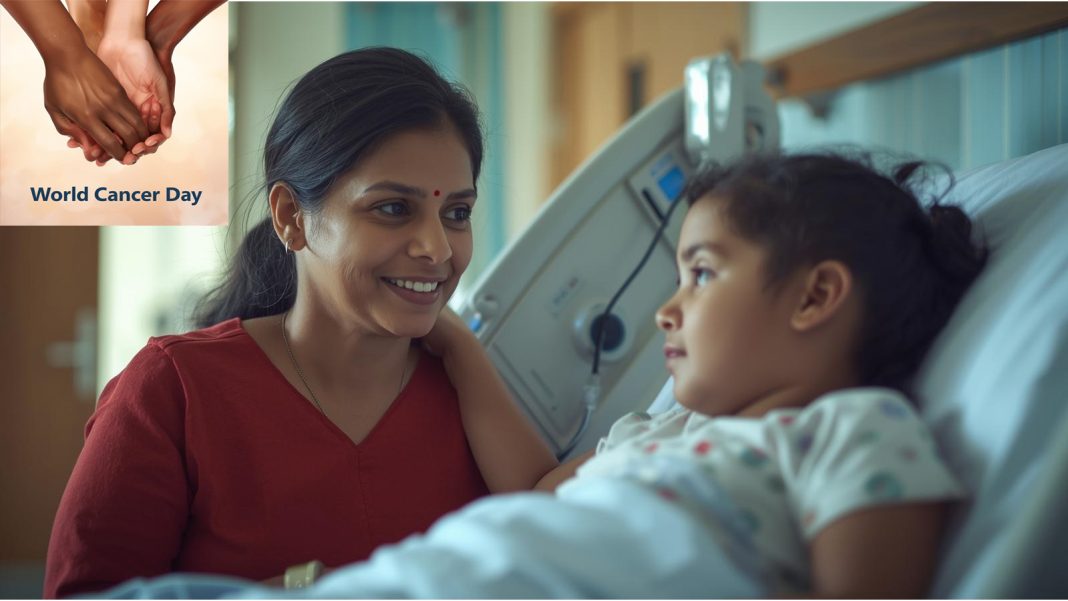
Cancer. The word itself carries a heavy weight, often conjuring images of hospital wards, medical procedures, and the arduous physical battle waged by the patient. Yet, the true devastation of cancer extends far beyond the individual diagnosed. In India, where family bonds are the bedrock of society, a cancer diagnosis is a family diagnosis. It’s a seismic event that shatters the emotional equilibrium and mental fortitude of every member, leaving an invisible, often unacknowledged, trail of scars.
The Invisible Scars: Mental and Emotional Fallout
From the moment a family hears the diagnosis, a cascade of emotions begins. Initial shock often gives way to denial, then an overwhelming sense of fear and anxiety. For many Indian families, where health literacy might be varied and access to specialized care challenging, the unknown can be terrifying. There’s the constant dread of what the future holds, the fear of losing a loved one, and the immense pressure to remain strong for the patient, often at the cost of their own emotional well-being.
Caregivers, typically a spouse, parent, or adult child, bear an extraordinary burden. They navigate complex medical information, manage appointments, administer medication, and provide round-the-clock emotional support. This relentless routine, coupled with sleepless nights and constant worry, can quickly lead to caregiver burnout. Studies in India have shown high rates of depression, anxiety, and post-traumatic stress among family caregivers of cancer patients. There’s a profound sense of helplessness as they watch a loved one suffer, often feeling guilty for any moment of respite or joy they might experience.
Children in the family are not immune to this emotional upheaval. Witnessing a parent or sibling battle cancer can lead to behavioral changes, academic difficulties, and heightened anxiety. They may struggle to comprehend the illness, fear abandonment, or shoulder responsibilities beyond their years. The open discussion of illness and emotions is often challenging in many Indian households, leading to unspoken fears and isolated suffering for younger family members.
Redefining Family Dynamics and Resilience
A cancer diagnosis dramatically alters family dynamics. Roles shift overnight: the primary earning member might become the patient, forcing others to take on financial responsibilities they weren’t prepared for. Wives might become the sole breadwinners and primary caregivers, navigating a double burden in a society that traditionally places immense pressure on them. Adult children may find themselves caring for their parents, a reversal of roles that, while often done with love, can be emotionally and physically exhausting.
The financial strain associated with cancer treatment in India is arguably one of the most significant stressors. With a large portion of healthcare expenses being out-of-pocket, families often deplete life savings, sell ancestral property, or incur substantial debt. This economic pressure adds an immense layer of stress, leading to arguments, resentment, and a feeling of being trapped. The dream of a better future, often tied to financial stability, can suddenly seem unreachable.
Despite these profound challenges, Indian families often demonstrate remarkable resilience. The strength of joint family systems and community networks can be a source of immense support, offering practical help, financial aid, and emotional solace. However, even these traditional support structures can buckle under the prolonged and intense pressure of a cancer battle. The need for professional mental health support for families is often overlooked, with a greater emphasis placed solely on the patient’s physical recovery.
“Cancer may target one, but its shadow stretches over all who love them. Supporting the family’s mental well-being is as crucial as treating the patient’s physical illness. We must remember that holistic care encompasses the entire ecosystem surrounding the patient.”
— Dr. Anjali Rao, Clinical Psychologist specializing in oncology support.
The journey through cancer is an arduous marathon, not a sprint. It tests the limits of love, patience, and endurance for every member of the family. Acknowledging and addressing the mental and emotional toll on families is not just about empathy; it’s about recognizing that a strong, emotionally supported family unit is integral to the patient’s well-being and recovery process. As a society, we must foster greater awareness, provide accessible mental health resources, and create support systems that embrace the entire family in their fight against cancer.
—

