


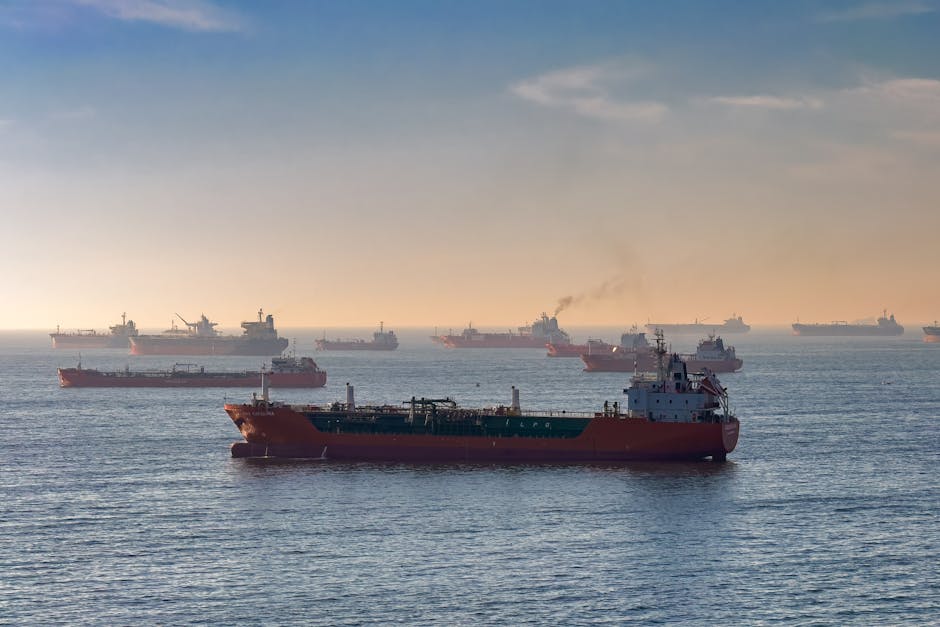
The Middle East remains a crucible of geopolitical tension, where every spark can ignite widespread repercussions. A fragile ceasefire in one theatre often fails to quell simmering resentments elsewhere, and the recent rhetoric from Tehran following Israeli actions in Lebanon exemplifies this precarious balance. As Iran expresses escalating fury, global attention once again pivots to the Hormuz Strait – a critical choke point whose closure could send seismic waves through the global economy, directly impacting India’s energy security and trade routes.
The question on many minds, particularly within energy-hungry nations like India, is stark: Will the Hormuz Strait remain open, or are we on the brink of another closure threat? Concerns are mounting that despite efforts towards de-escalation in some areas, Iran’s deep-seated anger over perceived Israeli aggression against its allies in Lebanon could translate into actions jeopardising one of the world’s most vital maritime arteries.
The Hormuz Strait: A Global Economic Lifeline Under Threat
The Strait of Hormuz is more than just a narrow waterway connecting the Persian Gulf to the Arabian Sea; it is the jugular vein of global energy supply. Approximately one-fifth of the world’s total petroleum liquids consumption, along with a significant portion of liquefied natural gas (LNG), transits through this 39-kilometre-wide passage. Any disruption here would not only cause oil and gas prices to skyrocket but also severely impact global trade, supply chains, and manufacturing sectors worldwide. For a nation like India, which imports over 85% of its crude oil needs and a substantial amount of natural gas, a closure of the Strait would be nothing short of an economic catastrophe, leading to inflationary pressures and severe logistical challenges.
Iran, strategically positioned along the northern coast of the Strait, has historically leveraged the threat of closure as a potent bargaining chip amidst regional disputes and international sanctions. Its Revolutionary Guard Corps maintains a formidable presence in the waters, capable of disrupting commercial shipping. The current escalation stems from Tehran’s condemnation of recent Israeli military operations in Lebanon, which Iran views as an attack on its regional ‘Axis of Resistance’. This direct challenge to Iran’s proxies is perceived as a significant provocation, leading to renewed warnings from Iranian officials about a robust response.
Tehran’s Fury and the Regional Chessboard
Iran’s vehement reaction to Israeli military actions in Lebanon is rooted in its long-standing support for groups like Hezbollah. These groups form a crucial part of Iran’s regional strategy to counter Israeli and Western influence. The recent Israeli strikes, reportedly targeting Hezbollah infrastructure and operatives, have been denounced by Tehran as a clear violation of Lebanese sovereignty and an act of aggression designed to destabilise the region further. Despite the existence of a ceasefire between Israel and Hamas in Gaza – a separate, albeit interconnected, front – the animosity between Iran and Israel remains palpable, playing out across multiple proxies and borders.
The complexity is further compounded by the internal political dynamics within Iran and the broader regional power struggles. Iranian hardliners often advocate for a strong stance against perceived adversaries, and any perceived weakness could embolden their rivals. Thus, the rhetoric surrounding the Hormuz Strait is not just a threat but also a projection of strength and resolve aimed at both regional rivals and a domestic audience.
“The Middle East’s geopolitical landscape is a delicate tapestry, where the threads of various conflicts are inextricably linked,” notes Dr. Kavita Sharma, a Delhi-based geopolitical analyst. “A ceasefire in one area doesn’t guarantee calm across the board, especially when major regional powers feel their strategic interests are directly challenged. For India, the volatility in the Strait of Hormuz isn’t just a headline; it’s a direct threat to our economic stability and national security planning.”
India’s Energy Security and Diplomatic Tightrope
India’s reliance on the Middle East for its energy needs makes it particularly vulnerable to any instability in the Hormuz Strait. A significant portion of India’s crude oil and LNG imports, especially from Saudi Arabia, Iraq, and Qatar, traverses this narrow channel. A potential closure would immediately trigger a surge in international oil prices, directly impacting India’s import bill, foreign exchange reserves, and domestic fuel prices. The ripple effects would be felt across industries, from transportation to manufacturing, potentially stifling economic growth.
Beyond economics, India also has a substantial diaspora in the Gulf region, whose safety and well-being are paramount. Any major escalation would necessitate complex evacuation plans and diplomatic interventions. New Delhi, therefore, walks a tightrope, maintaining cordial relations with all regional players – Iran, Israel, and Arab nations – while advocating for de-escalation and stability. India’s consistent call for peaceful resolution and dialogue underscores its profound stake in regional tranquility.
Conclusion: Navigating a Perilous Path
The prospect of the Hormuz Strait being shut, even temporarily, casts a long shadow over global markets and particularly over India’s economic outlook. While a full closure remains a high-stakes move that even Iran might hesitate to undertake given its own economic vulnerabilities, the escalating rhetoric itself creates significant market uncertainty and raises shipping insurance premiums. The world watches anxiously as Iran fumes over Israeli actions, hoping that diplomatic channels and international pressure can avert a crisis in the Strait that no nation, least of all India, can afford. The path ahead requires astute diplomacy, a commitment to de-escalation from all parties, and a clear understanding of the interconnectedness of regional stability with global prosperity.
—

