


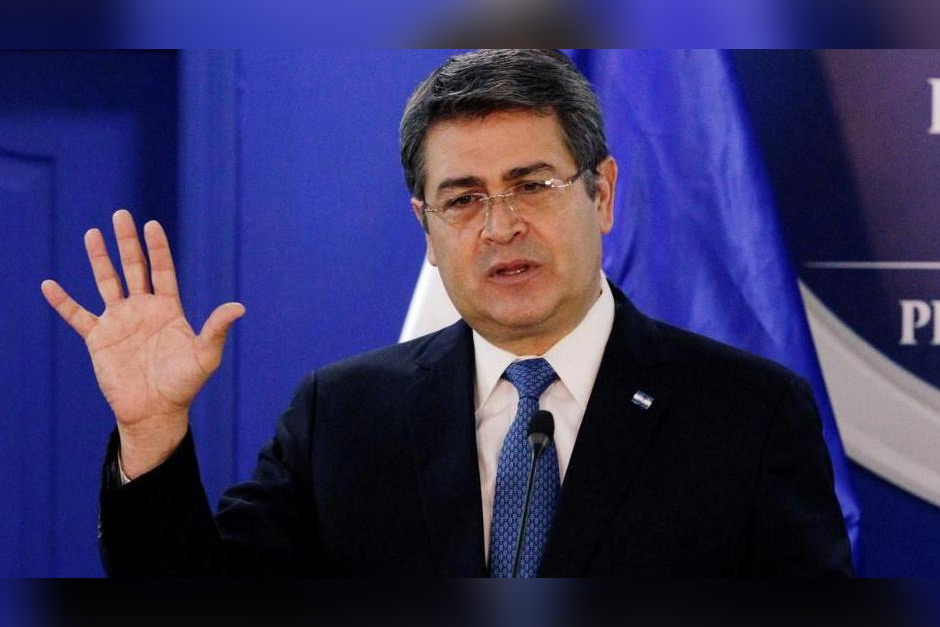
The landscape of international justice and political accountability has once again been reshaped by a significant development: the release of a former head of state convicted on serious charges, thanks to a presidential pardon. This event centers on Juan Orlando Hernández, the former president of Honduras, who had been found guilty of drug trafficking charges in the United States. His walk to freedom, facilitated by a pardon from former U.S. President Donald Trump, has sparked widespread discussion regarding the reach of executive power and the pursuit of justice across borders.
The Conviction and Background
Juan Orlando Hernández served two terms as president of Honduras, from 2014 to 2022. His tenure, however, was increasingly overshadowed by allegations of corruption and ties to drug trafficking. Ultimately, Hernández faced trial in a U.S. court on charges of conspiracy to import cocaine into the United States, along with related weapons offenses. Prosecutors argued that during his time in power, Hernández leveraged his position and state resources to facilitate the movement of vast quantities of cocaine through Honduras, destined for U.S. markets. He was accused of receiving millions in bribes from drug traffickers, including notorious figures, in exchange for protection and assistance.
The trial itself was a closely watched event, drawing attention to the pervasive challenges of narco-trafficking and corruption in Central America. Following a trial that involved extensive testimony and evidence, Hernández was found guilty. This conviction represented a notable moment for U.S. efforts to prosecute foreign leaders implicated in illicit activities, sending a message about accountability for those who use their office for personal gain at the expense of public safety and international law.
The Pardon and Its Implications
The news of a presidential pardon for Juan Orlando Hernández came as a profound surprise to many observers. Issued by former President Donald Trump, the pardon effectively nullified Hernández’s conviction and cleared the path for his release. Presidential pardons are a constitutional power, allowing a president to forgive a crime and remit its penalty, often used at the executive’s discretion for various reasons, including considerations of justice, mercy, or political expediency.
The immediate consequence of this pardon is Hernández’s freedom, bringing an abrupt end to his legal entanglement in the U.S. system. However, the ripple effects extend far beyond his personal liberty. For many, this decision raises critical questions about the consistency of U.S. foreign policy and its stated commitment to combating drug trafficking and corruption globally. It can be seen as potentially undermining the significant efforts and resources invested in bringing such cases to trial. As one legal analyst observed, “While the power to pardon is absolute, its application in cases of international drug trafficking, especially involving a former head of state, inevitably creates a complex precedent. It forces a re-evaluation of what justice means in a global context and how such decisions are perceived by partner nations and affected populations.”
The pardon also has implications for the perception of accountability within Honduras and the broader region. For those who viewed Hernández’s conviction as a step towards reinforcing the rule of law, the pardon might be interpreted as a setback. It highlights the intricate interplay between legal judgments, political power, and international relations, reminding us that the path to justice can often be unpredictable and influenced by factors beyond the courtroom.
The release of Juan Orlando Hernández via a presidential pardon closes one chapter of a high-profile legal battle but opens another concerning the broader implications for international justice. This event underscores the complexities inherent in prosecuting former heads of state for crimes committed while in power and the powerful, far-reaching impact of presidential clemency. It leaves many to ponder the long-term effects on global anti-corruption efforts and the pursuit of accountability for those who abuse their authority.
*

