


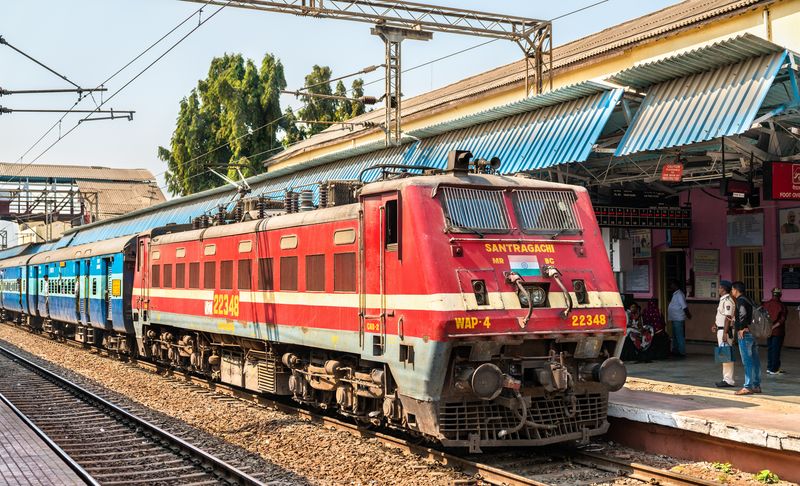
Travel by Indian Railways, the veritable lifeline for millions across India, is set to become a bit pricier. The national transporter has announced adjustments to its fare structure, which will see both ordinary and air-conditioned (AC) class tickets costing more. This development, while perhaps inevitable given the economic landscape and the railways’ ambitious modernization drives, has sparked conversations among daily commuters, long-distance travelers, and economic observers alike. Understanding the rationale behind these changes and their potential impact is crucial for anyone relying on the vast railway network.
The Rationale Behind the Fare Adjustment
The decision to hike train fares comes amidst a complex interplay of rising operational costs, significant infrastructure development, and a pressing need for financial sustainability. For years, Indian Railways has grappled with the challenge of balancing its role as an affordable public utility with the demands of a modern, efficient, and safe transport system. Officials point to several key factors necessitating the fare adjustments:
- Escalating Operational Costs: The cost of fuel, electricity, maintenance, and staff salaries has seen a steady increase. These fundamental expenses form a substantial portion of the railways’ operational budget, making it difficult to maintain existing fare structures without incurring significant losses.
- Modernisation and Infrastructure Development: India is currently witnessing an unprecedented push for railway modernization, including the introduction of Vande Bharat trains, electrification of routes, upgrading stations to world-class standards, and enhancing safety mechanisms. These capital-intensive projects require substantial investment, and a portion of the increased revenue is earmarked for funding these crucial upgrades.
- Bridging the Revenue Deficit: Despite its massive scale, Indian Railways often operates under a revenue deficit, particularly in passenger services, which are cross-subsidized by freight earnings. The fare hike aims to partially bridge this gap, ensuring that the railways can continue to invest in improving services without solely relying on external funding or increasing debt.
- Enhancing Passenger Amenities: The railways are committed to providing better passenger experiences, from cleaner coaches and stations to improved catering and digital services. These enhancements, while beneficial to commuters, also come with associated costs that need to be recovered.
A senior official from the Ministry of Railways, speaking on condition of anonymity, stated, “The fare adjustments are a critical step towards modernising our vast network and enhancing passenger safety and comfort. While we understand the immediate impact, these revenues are essential to bridge the gap in our operational costs and fund crucial infrastructure projects that ultimately benefit everyone.”
Impact on Commuters and the Broader Economy
The revised fare structure is expected to have varying degrees of impact across different segments of the population. The effects will be felt by millions who depend on trains for daily commutes, seasonal migrations, and inter-city travel.
Ordinary and Sleeper Class Passengers
For the vast majority of Indians, particularly those from middle and lower-income groups, students, and migrant workers, ordinary and sleeper class tickets represent the most affordable mode of long-distance travel. Any increase in these fares, even a marginal one, can significantly impact household budgets. Many depend on these services for essential travel, and a hike might necessitate adjustments in their travel frequency or choice of destination. While the railways remain the cheapest option for many routes, the cumulative effect of such increases over time can pinch pockets.
AC Class Travelers
Passengers opting for AC Chair Car, 3-tier AC, 2-tier AC, and 1st Class AC tickets are generally less price-sensitive compared to ordinary class travelers. However, even for them, the hike adds to the overall travel expenditure. These classes are frequently used by business travelers, tourists, and upper-middle-class families. While rail travel in AC classes still offers a competitive alternative to domestic flights for certain routes and distances, especially considering comfort and baggage allowances, continuous fare increases could lead some to reconsider their travel choices, particularly for shorter distances where road transport or budget airlines might present viable alternatives.
Economically, while the direct impact of passenger fare hikes on overall inflation might be limited, it does contribute to the general cost of living. For the railways themselves, the increased revenue is critical for its long-term financial health and its ability to continue being a major contributor to India’s connectivity and economic growth. The challenge lies in striking a delicate balance between financial viability and maintaining its identity as the common person’s transport.
The Road Ahead: Balancing Affordability with Progress
The fare hike underscores the perennial challenge faced by a massive public utility like Indian Railways: how to modernize and expand while keeping services affordable for a diverse population. The increased fares, while potentially burdensome for some, are presented as a necessary step towards a more efficient, safer, and comfortable future for rail travel in India. As the country moves forward with ambitious infrastructure projects, the debate between user-pay principles and public welfare will continue to shape policy decisions. Ultimately, the effectiveness of these fare adjustments will be measured not just in revenue generation, but in the tangible improvements in service quality, safety, and connectivity that passengers experience across the length and breadth of the nation.

