


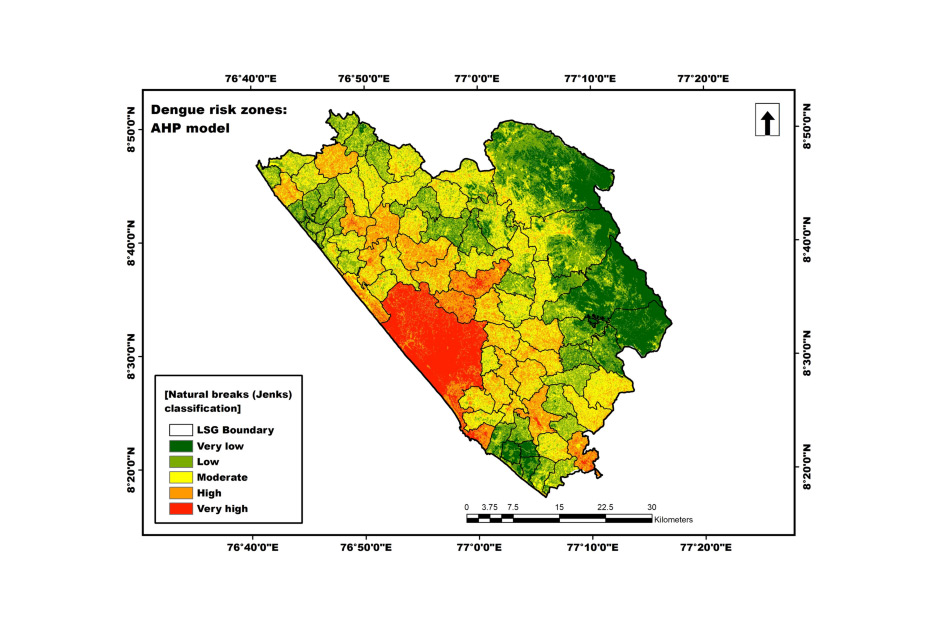
Thiruvananthapuram, Kerala – The scenic capital city of Kerala finds itself grappling with a significant public health challenge as recent data reveals alarmingly high vector indices, signaling a potential surge in dengue cases. Health authorities in the Thiruvananthapuram district are on high alert, urging residents and local self-government bodies (LSGIs) to intensify preventive measures amidst concerns that the situation could escalate if left unaddressed.
The rise in vector indices, which are crucial epidemiological indicators, paints a concerning picture of the proliferation of the Aedes aegypti mosquito, the primary vector for dengue fever. This development comes as the region experiences intermittent rainfall, creating ideal breeding grounds for these disease-carrying mosquitoes, thereby amplifying the risk of transmission across the district.
Understanding the Alarming Vector Indices
The term “vector indices” refers to a set of measurements used to assess the density and distribution of mosquito larvae and pupae in a given area, directly correlating with the risk of disease transmission. In Thiruvananthapuram, reports indicate elevated levels across key indices, including the Breteau Index (BI), House Index (HI), and Container Index (CI).
- The Breteau Index measures the number of positive containers per 100 houses inspected.
- The House Index indicates the percentage of houses positive for mosquito larvae.
- The Container Index shows the percentage of water-holding containers positive for larvae.
A BI exceeding 20 is generally considered a threshold for potential dengue outbreaks, and several areas within the district are reportedly surpassing this mark. This high concentration of larval sources points to widespread mosquito breeding, primarily in domestic and peridomestic settings such as discarded tires, flower pots, unused coconut shells, and tarpaulins that collect rainwater. The urban and semi-urban pockets of Thiruvananthapuram, with their dense populations and varied water storage practices, are particularly vulnerable hotspots.
Proactive Measures and Community Engagement
In response to the escalating threat, the District Medical Office (DMO) and local health departments have ramped up their surveillance and control activities. However, the scale of the problem necessitates a concerted effort involving not just government agencies but also active community participation. Public awareness campaigns are being intensified, emphasizing the critical importance of source reduction – the elimination of mosquito breeding sites.
Local self-government institutions, including corporations and panchayats, are being mobilised to conduct widespread clean-up drives, often termed ‘dry days,’ where residents are encouraged to thoroughly inspect and clean their premises to remove any potential water stagnation. Health workers are conducting door-to-door visits, educating households about preventive practices and distributing informational material. Despite these efforts, challenges persist, particularly concerning the sustainability of these drives and the sheer volume of potential breeding sites.
Speaking on the critical situation, Dr. Bindu Rajan, a senior public health official in Thiruvananthapuram, emphasised, “The high vector indices are a clear red flag. While the health department is implementing all necessary control measures, the battle against dengue cannot be won without the unwavering support of every household. Eradicating breeding sources is a community responsibility, and sustained vigilance is paramount, especially with the fluctuating weather patterns.”
Sustained Vigilance: The Only Way Forward
Beyond immediate clean-up drives and fogging operations, which primarily target adult mosquitoes, the long-term solution lies in sustained larval source management. This involves a continuous effort to prevent water accumulation, proper waste disposal, and regular inspection of all water storage containers.
The district administration is also ensuring that healthcare facilities are prepared to handle a potential increase in dengue cases. Fever clinics are being reinforced, and healthcare professionals are being sensitised to early diagnosis and management protocols for dengue fever, including the recognition of warning signs that indicate severe dengue. Public information campaigns are also advising citizens to seek medical attention immediately if they experience fever, body aches, rash, or any other symptoms consistent with dengue, rather than resorting to self-medication.
The high vector indices in Thiruvananthapuram district serve as a stark reminder of the persistent threat posed by vector-borne diseases. The alarm calls for a unified and proactive approach, where government initiatives are complemented by robust community participation, to effectively break the chain of transmission. Only through relentless vigilance and collective action can the district hope to mitigate the risk and safeguard the health of its residents against this pervasive public health challenge.

