


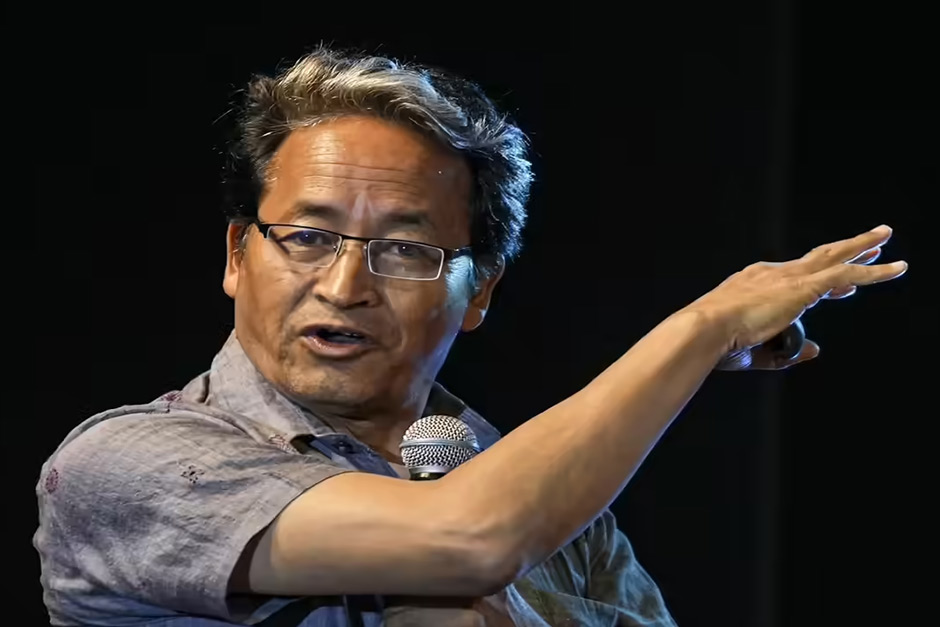
The legal and humanitarian spotlight has once again turned to Sonam Wangchuk, the renowned education reformist and environmental activist from Ladakh. In a significant development before the High Court of Jammu & Kashmir and Ladakh, the government has vehemently opposed his release, particularly on health grounds, asserting that the activist is “hale and hearty.” This declaration sets the stage for a critical legal battle, where concerns for individual well-being clash with the state’s official narrative.
The Contention: Health Claims vs. Official Stance
The plea for Sonam Wangchuk’s release, reportedly filed by his legal team or family, cited concerns over his deteriorating health, particularly after his prolonged ‘climate fast’ and subsequent detention. Wangchuk has been at the forefront of the movement demanding constitutional safeguards for Ladakh under the Sixth Schedule, a provision designed to protect tribal populations and their land. His recent protests, including a 21-day fast, aimed to draw national attention to the ecological fragility and cultural uniqueness of the region, which he argues are threatened by unchecked industrial expansion.
However, the government, through its legal representatives, presented a strong counter-argument to the court. An official affidavit submitted by the Union Territory administration detailed the medical care and regular health check-ups Wangchuk has reportedly received. Asserting the state’s position, a government counsel stated, “He has been provided with all necessary medical facilities and is under regular observation. Our reports clearly indicate he is hale and hearty, with no grounds for release based on his current health.” This statement directly challenges the premise of the petition, framing Wangchuk’s health as stable and not requiring immediate judicial intervention for release.
The court’s role now becomes crucial in evaluating these opposing claims. It will likely scrutinize the medical reports presented by the government and consider any independent assessments or arguments put forth by Wangchuk’s legal counsel. The case underscores the delicate balance between a citizen’s right to protest and the state’s prerogative to maintain order, further complicated by a prominent activist’s health status.
Beyond Health: The Heart of Wangchuk’s Activism
While the immediate legal dispute revolves around health, the context of Sonam Wangchuk’s situation is deeply rooted in his unwavering commitment to Ladakh’s future. A recipient of the Ramon Magsaysay Award, Wangchuk is celebrated globally for his innovative educational initiatives and sustainable solutions, particularly in high-altitude environments. His current activism is a continuation of this ethos, aiming to safeguard Ladakh’s fragile ecosystem and unique cultural identity from what he perceives as a rapid, unsustainable developmental trajectory post-abrogation of Article 370 and its establishment as a Union Territory.
His demand for Sixth Schedule status seeks to grant greater autonomy and protection to Ladakh’s indigenous communities, ensuring their rights over land, resources, and cultural practices. This movement has garnered significant support both within Ladakh and from environmental groups across India and internationally. The government, on the other hand, often highlights its developmental initiatives in the region, focusing on infrastructure and economic growth, and views calls for special status through a lens of national integration and administrative efficiency.
The high-profile nature of this case means that it is being watched closely, not just by activists and legal experts, but also by the general public. The outcome could set precedents for how protests are handled and how the health of detainees, especially those on fasts for political or social causes, is managed and assessed in the Indian legal system.
The Road Ahead: Legal Scrutiny and Public Interest
As the High Court continues to hear arguments, the immediate future hinges on its interpretation of the medical evidence and legal precedents. The court’s decision will be pivotal, not only for Sonam Wangchuk personally but also for the broader discourse on dissent, human rights, and environmental activism in India. Should the court side with the government’s assessment, Wangchuk’s supporters might need to explore alternative legal avenues or strategies to secure his release. Conversely, if the court finds merit in the health concerns, it could direct specific measures or even order his interim release.
This case exemplifies the ongoing tension between state control and individual freedoms, especially in the context of passionate advocacy for environmental and indigenous rights. The assertion that Wangchuk is “hale and hearty” by the government stands in stark contrast to the concerns raised by his supporters, ensuring that this legal battle remains a focal point of public and media attention, reflecting the complexities inherent in India’s vibrant, yet often contentious, civil society landscape.

