


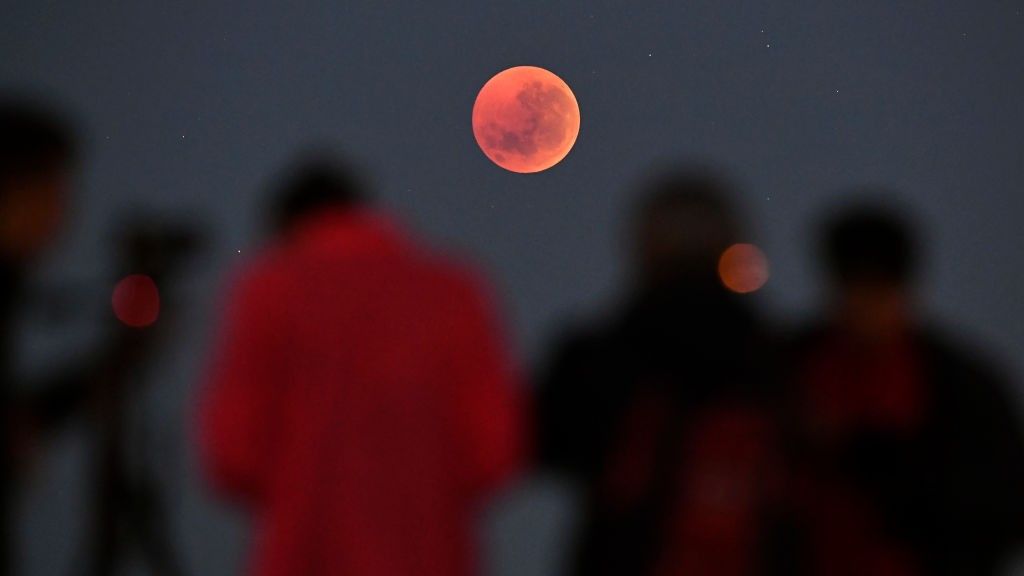
Get ready to witness one of nature’s most enchanting ballets! Early on March 3, the night sky will host a magnificent total lunar eclipse, promising a breathtaking display for sky-gazers across the globe. This isn’t just any ordinary moon phase; it’s a cosmic alignment where our planet casts its shadow perfectly upon the lunar surface, transforming the familiar orb into a stunning, ruddy spectacle. If you’ve ever felt a pull towards the mysteries above, this is your prime opportunity to experience a truly humbling moment of celestial mechanics in action.
Understanding the “Blood Moon” Phenomenon
What exactly happens during a total lunar eclipse? Imagine the Earth positioned directly between the Sun and the Moon. As the Earth blocks the Sun’s direct light, its shadow stretches across space, engulfing the Moon. But here’s where the magic truly unfolds: not all sunlight is completely blocked. A small amount of sunlight filters through Earth’s atmosphere, scattering blue light more effectively than red light. This red light then bends and refracts onto the Moon’s surface, painting it in hues of crimson, orange, and deep copper. This is what gives the total lunar eclipse its evocative nickname: the “blood moon.”
The intensity of the moon’s color can vary greatly, depending on factors like dust and clouds in Earth’s atmosphere. A clearer atmosphere might result in a brighter, more fiery red, while a dustier one could yield a darker, brick-like shade. It’s a dynamic and ever-changing show, making each total lunar eclipse a unique masterpiece. As seasoned sky-watcher and author, Dr. Elena Petrova, once eloquently put it, “A total lunar eclipse is our planet’s way of revealing its atmospheric fingerprint upon its closest neighbor. It’s a profound visual testament to our place in the cosmic dance.”
Your Guide to Optimal Viewing and Experience
To fully appreciate this lunar spectacle, a little preparation goes a long way. The beauty of a lunar eclipse, unlike a solar eclipse, is that it’s safe to view directly with the naked eye – no special equipment is needed. However, bringing a pair of binoculars or a small telescope can dramatically enhance the experience, allowing you to see craters and surface details emerge and recede as the shadow progresses.
The key to an unforgettable viewing experience lies in finding a suitable location. Seek out a spot away from significant light pollution, which can wash out the subtle colors of the eclipsed moon. City parks, rural areas, or even just a backyard with an unobstructed view of the sky can work wonders. If you can get to a slightly elevated position, even better, as it might help clear any immediate ground haze. Check the weather forecast for clear skies in your area. Bundle up, bring a comfortable chair or blanket, and perhaps a thermos of a warm beverage to ward off the early morning chill. This isn’t just about seeing; it’s about
Embrace the Celestial Moment
The total lunar eclipse early on March 3 offers a powerful reminder of the vast, intricate beauty of our solar system. It’s a chance to pause, look up, and feel a profound connection to the cosmos. Gather friends, family, or simply enjoy a solitary moment of reflection under the glowing crimson orb. These celestial events are fleeting, but the memories they create can last a lifetime. Don’t let this opportunity pass you by – step outside, embrace the stillness of the early morning, and let the universe put on a show just for you.

