


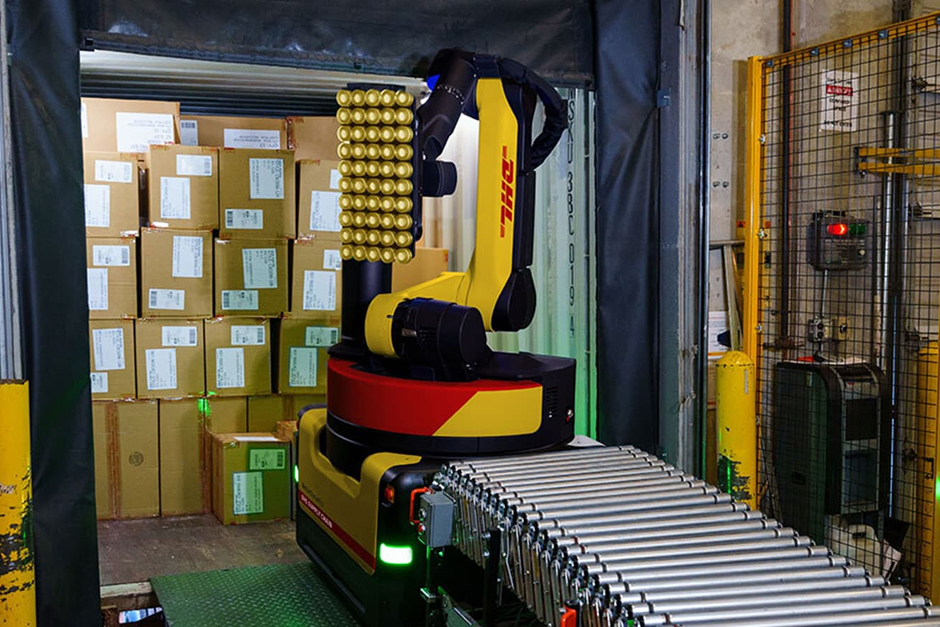
The global marketplace is moving faster than ever, driven by expanding e-commerce and increasingly complex supply chains. This rapid pace places immense pressure on packaging and logistics companies to deliver goods with unprecedented speed, accuracy, and cost-efficiency. To meet these evolving demands, many are turning to a transformative solution: warehouse automation. This isn’t just about replacing human labor; it’s about creating smarter, more resilient, and highly optimized operations that can adapt to future challenges.
Robots, Racks, and Rapid Retrieval
At the heart of modern automated warehouses are sophisticated robotic systems designed to handle repetitive and physically demanding tasks.
Automated Guided Vehicles (AGVs) and their more flexible counterparts, Autonomous Mobile Robots (AMRs), are becoming common sights, ferrying goods across the warehouse floor, assisting with picking, or transporting pallets to loading docks. These intelligent machines navigate using sensors and pre-programmed maps, often collaborating seamlessly with human workers.
For storage, Automated Storage and Retrieval Systems (AS/RS) are revolutionizing space utilization. These systems can store and retrieve items from high-density racks with incredible speed and precision, significantly reducing the need for extensive aisle space and optimizing inventory access. Robotic arms are also playing a crucial role, capable of delicate item picking, efficient palletizing and de-palletizing, and accurate sorting, allowing for consistent throughput and reduced error rates in tasks that would otherwise be monotonous and prone to human fatigue.
Intelligent Systems and Data-Driven Decisions
Beyond the physical robots, the true power of warehouse automation lies in the intelligent software and data analytics that orchestrate these operations. Advanced Warehouse Management Systems (WMS) act as the central nervous system, integrating every aspect of the warehouse, from inventory tracking and order fulfillment to labor management and shipping. These systems provide real-time visibility and control, allowing managers to monitor performance and make informed decisions.
Artificial Intelligence (AI) and Machine Learning (ML) algorithms are increasingly being deployed to enhance predictive capabilities. They analyze vast datasets to forecast demand more accurately, optimize picking routes, determine optimal inventory placement, and even predict potential equipment maintenance needs. The Internet of Things (IoT) further contributes by connecting sensors on equipment, inventory, and even the building itself, collecting valuable real-time data that feeds into these AI models. This data-driven approach ensures that warehouses aren’t just automated, but truly intelligent and adaptive.
“It’s no longer just about moving boxes faster; it’s about moving them smarter,” observes Maria Rodriguez, a logistics operations director. “Automation, when integrated correctly, transforms our entire workflow, from receiving to dispatch, significantly boosting both accuracy and efficiency.”
The Future-Ready Warehouse
The automation of warehouses in packaging and logistics isn’t a future concept; it’s a current reality rapidly evolving. By leveraging robotics, AI, and comprehensive management systems, companies are addressing critical challenges like labor shortages, rising operational costs, and the need for greater speed and accuracy. These automated environments are proving to be more efficient, safer, and ultimately, more scalable, positioning businesses to thrive in an increasingly dynamic and demanding global supply chain.
—

