


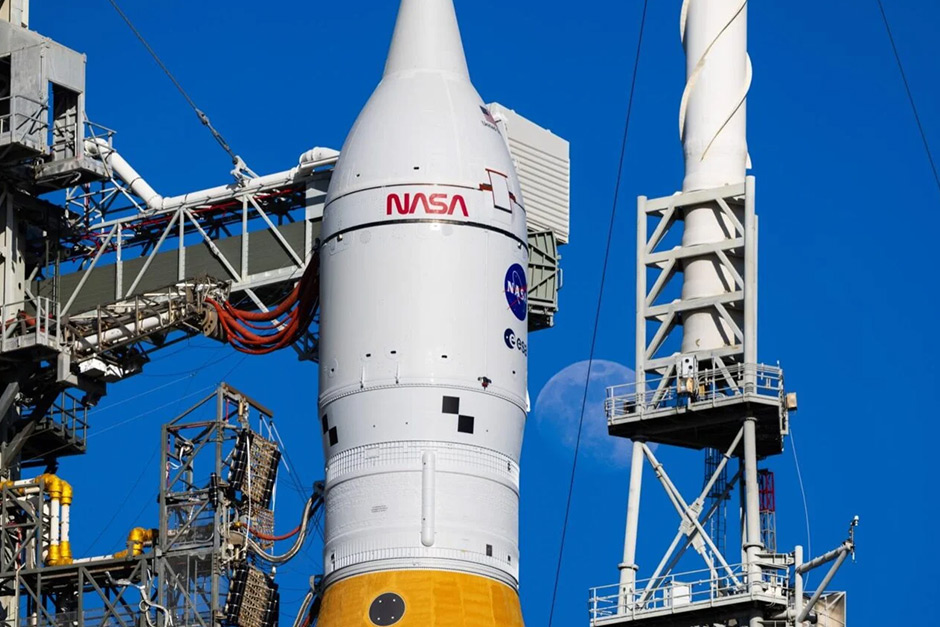
The iconic image of NASA’s Space Launch System (SLS) rocket, a towering symbol of humanity’s return to the Moon, has become synonymous with a persistent challenge: hydrogen leaks. Each new fueling attempt or “wet dress rehearsal” seems to bring a fresh headline about another leak, prompting many to wonder: why can’t NASA simply get rid of them?
The Cryogenic Conundrum: Why Hydrogen Is So Tricky
To understand the recurring nature of these leaks, we first need to appreciate the extraordinary properties of liquid hydrogen (LH2). It’s not just any fuel; it’s a super-chilled liquid, stored at an astonishingly cold -253 degrees Celsius (-423 degrees Fahrenheit). At such extreme temperatures, materials behave differently – they contract, become brittle, and seals designed for ambient conditions often fail.
Beyond the temperature, hydrogen is the smallest and lightest molecule in existence. This atomic nimbleness is a double-edged sword: it makes for an incredibly efficient rocket propellant, but it also means hydrogen can squeeze through microscopic imperfections that would contain larger molecules. Imagine trying to seal smoke in a container; hydrogen is even harder to contain when it’s under pressure and at cryogenic temperatures. This combination of extreme cold and minuscule molecular size makes containing LH2 one of the most significant engineering challenges in rocketry.
The SLS, a behemoth of engineering, contains vast quantities of LH2 in its core stage and upper stage. This requires miles of plumbing, hundreds of valves, and countless seals, each a potential point of failure. When ground support equipment connects to the rocket, these “quick-disconnect” seals become critical interfaces, often the primary suspects when a leak is detected during fueling operations.
Pursuing Perfection: NASA’s Ongoing Engineering Challenge
Detecting a leak, especially a gaseous hydrogen leak, isn’t always straightforward. It often requires flowing the super-chilled propellant, allowing the system to fully contract and reveal any weaknesses. When a leak is found, the process of diagnosis and repair is laborious. It involves draining the propellant, warming the system, accessing the specific component (which might be high up on the rocket), replacing seals or tightening connections, and then repeating the entire chilling and fueling process to verify the fix.
NASA engineers aren’t simply replacing faulty parts blindly; they’re engaged in a painstaking iterative process of learning and improvement. They’ve implemented new procedures, such as a “gentle start” to the fueling process, slowly introducing LH2 to allow materials to adjust gradually. They’ve replaced quick-disconnect seals with newer designs, adjusted bolt torques, and conducted extensive analyses of material stress and fatigue. It’s a continuous battle against the laws of physics and the inherent imperfections of manufacturing.
As Dr. Anya Sharma, an aerospace engineer with experience in cryogenic systems, explains, “Working with liquid hydrogen is less about brute force and more about surgical precision. It’s the smallest molecule, super-chilled to extreme temperatures, making it incredibly persistent in finding any imperfection in seals or connections.” The stakes are also incredibly high; even a small leak can pose a safety risk or lead to propellant loss that impacts mission performance, meaning every repair needs to be near-perfect.
The persistent hydrogen leaks on the SLS rocket highlight a fundamental truth about cutting-edge spaceflight: it’s incredibly hard. The challenges posed by liquid hydrogen are not new to NASA, which has faced similar issues with previous rockets like the Space Shuttle. These leaks are not a sign of incompetence, but rather a testament to the unforgiving nature of cryogenic fuels and the extreme conditions of spaceflight preparation. NASA’s ongoing efforts to diagnose, mitigate, and ultimately overcome these issues reflect their unwavering commitment to safety and the successful launch of the Artemis missions, pushing the boundaries of human exploration further into our solar system.

