


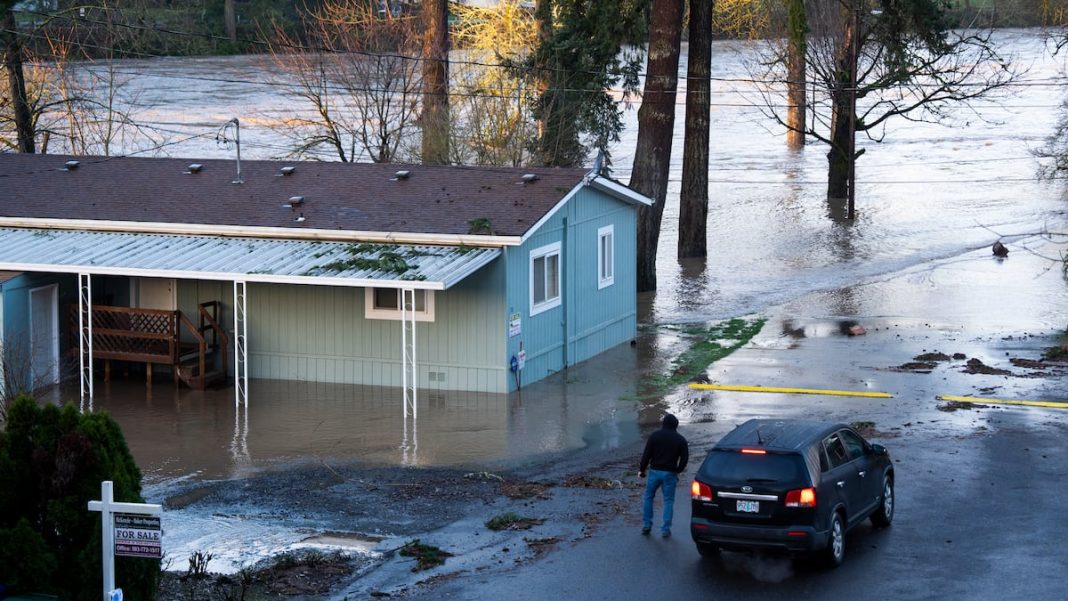
The Pacific Northwest, particularly Oregon and Southwest Washington, is currently experiencing a significant period of intense rainfall. This persistent deluge has led to the activation of numerous flood watches across the region and is forcing a number of crucial road closures, disrupting daily life and travel patterns.
The Atmospheric River Phenomenon
What’s fueling this relentless downpour? Experts point to the influence of an “atmospheric river” – a long, narrow band of concentrated moisture that originates over the Pacific Ocean. These rivers in the sky act like powerful hoses, transporting vast quantities of water vapor from tropical or subtropical regions directly into the Pacific Northwest. When these atmospheric rivers make landfall, especially against the coastal mountain ranges, they release their moisture as heavy precipitation, leading to the kind of prolonged, intense rainfall currently affecting the area. This isn’t an uncommon occurrence for the region during its wetter seasons, but the current intensity and duration are noteworthy.
Unlike typical rain showers, an atmospheric river can deliver continuous, heavy precipitation over several days, saturating the ground and rapidly filling river systems. The sheer volume of water it carries can quickly overwhelm drainage systems and significantly elevate flood risks across wide geographical areas. This meteorological event is a critical factor in understanding the current widespread impacts being observed throughout the region.
Widespread Impacts on Infrastructure and Communities
The immediate and most visible consequence of this heavy rainfall is the widespread impact on transportation. State highways and local roads alike are experiencing closures due to standing water, debris flows, and in some instances, mudslides. Commuters face extended travel times and are urged to seek alternative routes or consider postponing non-essential travel. Even short trips can become hazardous as road conditions change rapidly.
Beyond the roads, communities are grappling with rising river levels and saturated ground. Rivers and creeks are swelling, increasing the risk of overflows into low-lying areas. The sheer volume of water also raises concerns about potential slope instability, particularly in areas prone to landslides. While significant power outages haven’t been universal, localized interruptions are possible as infrastructure contends with the severe weather. The constant moisture can weaken trees, making them more susceptible to falling and damaging power lines.
For many, the situation is a waiting game. “It’s just so much water, day after day,” commented Sarah Chen, a resident of Portland. “You just hope the drains can keep up and that things don’t get too bad for our neighbors downstream.” Her sentiment reflects the shared anxiety and hope that infrastructure will hold up against the persistent deluge.
Safety and Preparedness Amidst Active Flood Watches
With flood watches remaining active across much of the affected area, authorities are emphasizing the importance of public safety. Residents in flood-prone zones are advised to stay vigilant, monitor local weather alerts, and be prepared to take action if conditions worsen. The critical message, “Turn around, don’t drown,” is being reiterated, underscoring the danger of driving or walking through flooded roads, where water depth can be deceptive and currents strong.
Beyond immediate hazards, preparing an emergency kit with essentials like water, non-perishable food, and communication devices is a wise precaution. Staying informed through official channels, such as local news and emergency services websites, is crucial for receiving the most current information regarding road conditions and evacuation recommendations. Property owners in areas prone to flooding are also encouraged to take proactive measures, such as clearing gutters and ensuring sump pumps are in working order, to mitigate potential damage.
The Pacific Northwest’s current battle with heavy rainfall is a testament to the powerful forces of nature. As atmospheric moisture continues to funnel into the region, vigilance and preparedness remain paramount. While the rain is a vital part of the region’s ecosystem, its current intensity demands respect and careful navigation from all who live and travel through Oregon and Southwest Washington.

