


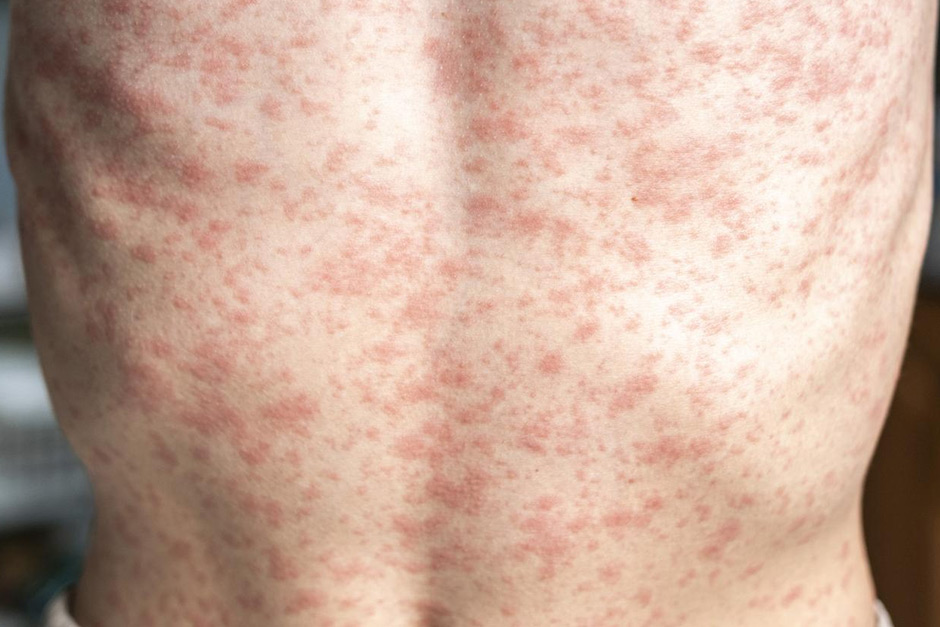
There’s a whisper turning into a roar across the nation, and it’s not a trend you want to be part of. Measles, a disease many of us thought was relegated to history books, is making an alarming comeback. Cases are not just popping up; they’re skyrocketing in communities from coast to coast. This isn’t just about a few isolated incidents; it’s a flashing red light warning us about something incredibly serious and highly contagious that we need to address, right now.
Beyond a Simple Rash: Why Measles is a Serious Threat
When most people think of measles, they often picture a childhood illness characterized by a bumpy rash. While the rash is certainly a tell-tale sign, it severely underestimates the true danger of this virus. Measles isn’t just uncomfortable; it’s a formidable adversary that can lead to severe, life-threatening complications. We’re talking about things like pneumonia, which can be fatal, especially for infants and the immunocompromised. Even more concerning is encephalitis, an inflammation of the brain that can cause permanent brain damage, hearing loss, or intellectual disabilities.
The virus also has a nasty habit of wiping out your immune system’s memory, a phenomenon known as “immune amnesia.” This makes individuals more susceptible to other infections for years after recovering from measles. It’s a cruel twist, turning a short-term illness into a long-term vulnerability. As one public health expert recently put it, ‘Measles isn’t just a childhood illness; it’s a stark reminder of how quickly preventable diseases can resurface when our collective immunity wanes.’ This isn’t a benign disease we can afford to take lightly.
The Unseen Spread: How Measles Outsmarts Us
What makes measles so uniquely challenging and the current surge so worrying is its astonishing contagiousness. Imagine a single person with measles entering a room of ten unvaccinated people. Nine out of those ten are likely to get infected. That’s a transmission rate almost unmatched by other common diseases. The virus spreads through the air, carried by tiny droplets when an infected person coughs or sneezes. But here’s the insidious part: these droplets can linger in the air for up to two hours after the infected person has left the room. This means you don’t even need direct contact to be exposed.
Compounding this is the fact that people infected with measles are contagious for up to four days before the distinctive rash appears. During this time, they might just feel like they have a common cold – a runny nose, cough, mild fever – and unwittingly spread the virus to others in schools, workplaces, airports, and other public spaces. This silent spread is incredibly difficult to contain, especially in communities where vaccination rates have dipped below the critical threshold needed for herd immunity. When enough people are vaccinated, it creates a protective shield, making it difficult for the virus to find new hosts. But when that shield weakens, even slightly, measles finds fertile ground to explode.
The resurgence of measles is a sobering wake-up call, urging us to recognize the collective responsibility we have in maintaining public health. This isn’t just about protecting ourselves; it’s about safeguarding the most vulnerable among us – infants too young to be vaccinated, and individuals with compromised immune systems who cannot receive the vaccine. If you’re unsure about your or your family’s vaccination status, now is the time to consult a healthcare provider. Staying informed and taking preventive measures is our best defense against a highly contagious threat that demands our immediate attention.

