


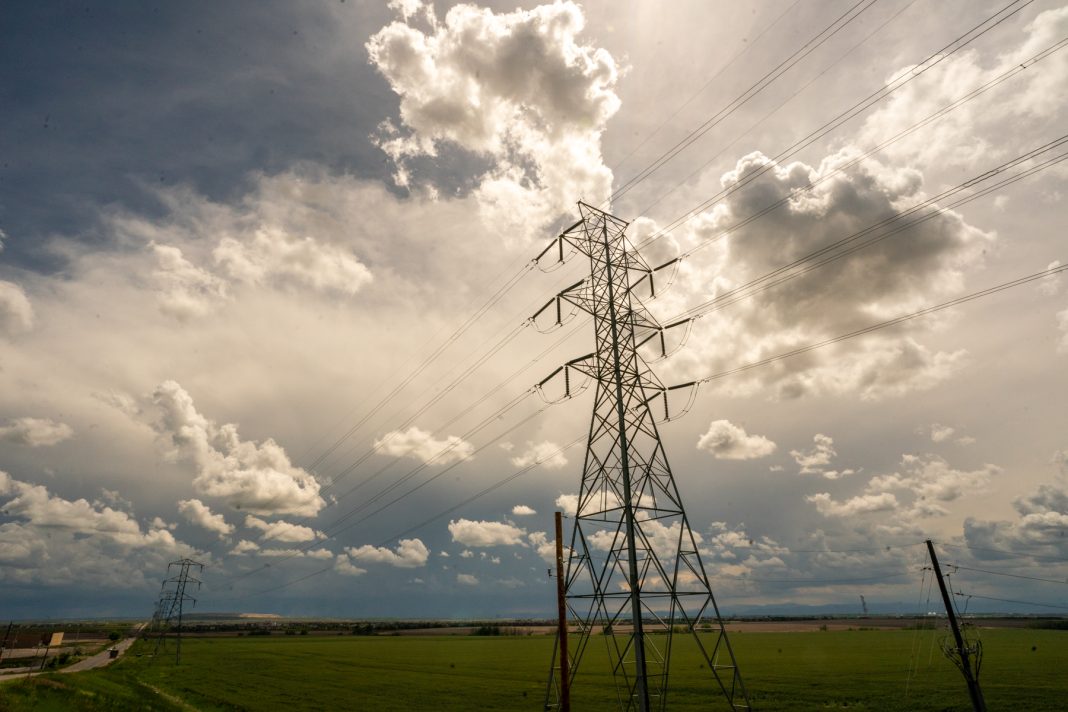
Heads up, Front Range! A critical update from Xcel Energy suggests many communities might experience power interruptions starting around midday. The reason? Unprecedentedly high fire danger, driven by a volatile mix of extreme winds, tinder-dry conditions, and low humidity. This isn’t just a precaution; it’s a proactive measure to safeguard lives and property against the threat of rapidly spreading wildfires. As the wind howls and the fire risk escalates, understanding the situation and preparing for a potential outage is paramount.
Why the Lights Might Go Out: Understanding the Risk
The decision by Xcel Energy to initiate Public Safety Power Shutoffs (PSPS) is a stark reminder of the volatile weather patterns becoming increasingly common across Colorado’s Front Range. When conditions align — blistering dry air, gusting winds that can easily exceed 50-60 mph, and parched vegetation — the smallest spark can ignite a conflagration that’s impossible to control. These are the very ingredients that trigger “Red Flag Warnings” from weather authorities, indicating that critical fire weather conditions are present or imminent.
For utility companies like Xcel, the risk is tangible: damaged power lines or equipment, especially during high winds, can generate sparks. In an environment primed for fire, such an incident could quickly escalate into a major wildfire, threatening homes, ecosystems, and human lives. It’s a difficult choice, balancing the inconvenience of a power outage against the potentially catastrophic consequences of a fire. As one emergency management official noted, “These are precisely the conditions where a single spark can become a catastrophic event, and preventative measures, while inconvenient, are crucial for public safety.”
Navigating the Outage: Preparation and Precaution
If your community is among those facing a power shutoff, preparation is key to minimizing disruption and ensuring safety. Start by charging all your essential electronic devices – phones, laptops, and especially any power banks or portable chargers. Remember, once the power is out, gas stations might not be able to pump fuel, so consider filling your car’s tank beforehand. Locate flashlights, ensure they have fresh batteries, and have a battery-powered radio ready for updates.
Beyond electronics, think about perishables. Keep refrigerator and freezer doors closed as much as possible to maintain temperature. If you use a generator, position it outdoors in a well-ventilated area, far from windows and doors, to avoid carbon monoxide poisoning. Most importantly, check on vulnerable neighbors, especially the elderly or those with medical conditions who might rely on electricity for medical equipment. Have a plan for how you’ll get updates from Xcel Energy (often through text alerts or their website, if you have mobile data) and local emergency services.
Beyond the Immediate: A Glimpse into the Future of Fire Season
While the immediate focus is on managing the upcoming power shutoff, this event also serves as a potent reminder of the changing landscape of fire season in the West. What was once considered an anomaly is increasingly becoming a recurring pattern. The interaction of climate shifts, persistent drought, and expanding urban interfaces means that decisions like Xcel’s preventative power cuts might become a more regular feature of life in fire-prone regions. It underscores the urgent need for communities to adapt, building resilience through individual preparedness and collective awareness.
For residents of the Front Range, this is a moment to not only prepare for the next few hours or days but also to consider long-term strategies for living safely within an environment prone to wildfire. Staying informed, having a robust emergency plan, and fostering strong community ties will be essential assets in navigating these evolving challenges.
Stay safe, stay prepared, and look out for one another. The strength of our communities shines brightest when we face these challenges together.

