


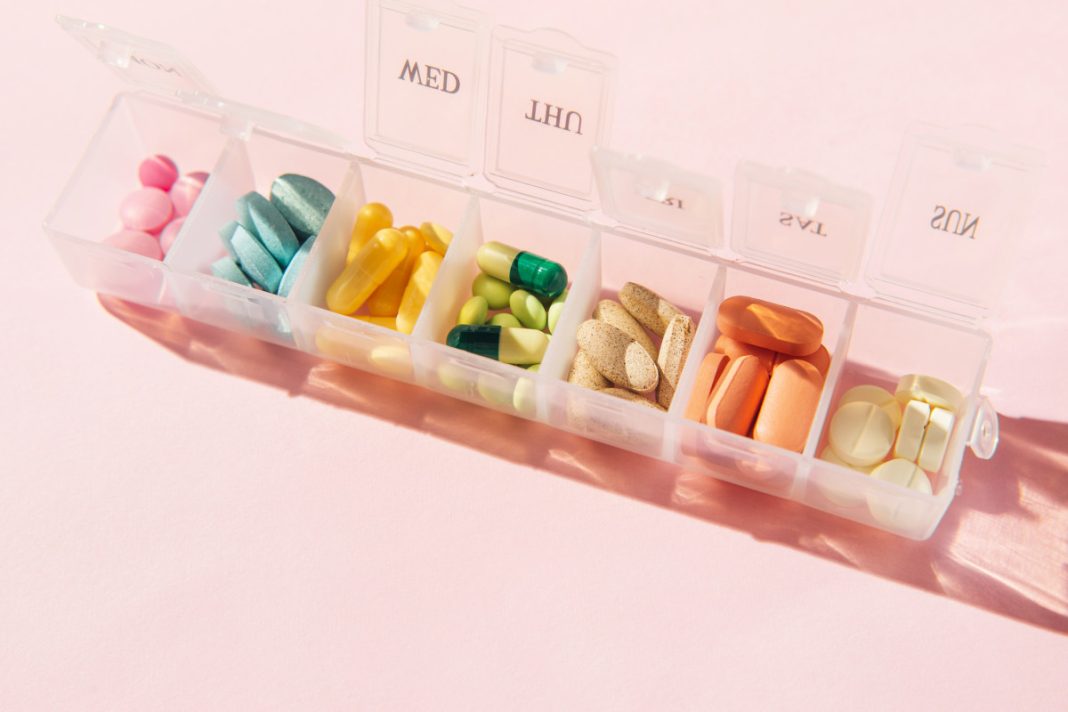
We’re all looking for that extra edge, aren’t we? A little boost to our health, a nudge towards feeling our best. For many, that daily ritual involves popping a supplement – a vitamin, a mineral, an herbal helper. It feels proactive, responsible, even empowering. But here’s a heads-up that might just change your morning routine: doctors are increasingly flagging a common, seemingly innocent mistake people make with their daily supplements, and it could be quietly undermining your health.
The “More is Better” Myth: When Good Intentions Backfire
It’s an easy trap to fall into: if a little bit of Vitamin C keeps colds away, then a mega-dose must be a superhero move, right? Or if calcium is good for bones, surely extra calcium means extra strong bones? This pervasive “more is better” mentality is precisely where many people go wrong. While it’s true that some supplements are quite forgiving, others can become problematic when taken in excess.
Consider fat-soluble vitamins like A, D, E, and K. Unlike water-soluble vitamins, which your body can typically excrete through urine if you take too much, fat-soluble vitamins are stored in your liver and fatty tissues. Over time, excessive intake can lead to accumulation and, eventually, toxicity. For instance, too much Vitamin A can cause liver damage, vision problems, and even bone pain. Excess Vitamin D, while vital for many functions, can lead to hypercalcemia (too much calcium in the blood), causing nausea, vomiting, weakness, and kidney problems. The sweet spot, or the “therapeutic window,” for many supplements is surprisingly narrow, and stepping outside of it can have unintended consequences.
“Many people treat supplements like candy, thinking there’s no harm in taking a bit extra,” says Dr. Evelyn Reed, a functional medicine practitioner. “But your body is a complex system, and introducing too much of even a ‘good’ thing can throw it completely off balance. Always consult a professional.”
Beyond Dosage: Absorption and Interaction Blunders
It’s not just about taking too much; it’s also about how and when you take your supplements. Many people overlook crucial details about absorption and potential interactions, turning their health-boosting efforts into potential pitfalls.
For example, some supplements require food, particularly fat, to be properly absorbed by your body. Taking your Vitamin D, CoQ10, or fish oil on an empty stomach might mean your body isn’t getting the full benefit, essentially wasting your money and effort. Conversely, some minerals, like iron, can be absorbed better on an empty stomach, but might cause digestive upset for some individuals. Timing can also be key; taking calcium with iron can inhibit iron absorption, for instance.
Perhaps even more concerning are supplement-medication interactions. What seems like a harmless herbal remedy could interfere with vital prescription drugs. St. John’s Wort, often used for mood support, is notorious for interacting with numerous medications, including antidepressants, birth control pills, and blood thinners, potentially rendering them less effective or increasing side effects. Vitamin K can reduce the effectiveness of blood thinners, while certain minerals can interfere with antibiotics or thyroid hormones. Without proper guidance, you could inadvertently be sabotaging your prescribed treatments, leading to serious health risks.
Your Daily Dose, Decoded: Smart Supplementation
So, what’s the takeaway? Supplements aren’t a free pass; they require respect and understanding. The goal isn’t to scare you away from beneficial vitamins and minerals, but to empower you with knowledge. Here’s how to avoid common mistakes:
- Read Labels Carefully: Pay attention to recommended dosages and any instructions regarding food or timing.
- Consult Your Healthcare Provider: Before starting any new supplement, especially if you have underlying health conditions or are taking medications, talk to your doctor or a registered dietitian. They can assess your individual needs and potential interactions.
- Prioritize Whole Foods: Remember that supplements are meant to supplement a healthy diet, not replace it. Focus on getting your nutrients from a diverse range of fruits, vegetables, lean proteins, and whole grains first.
In a world full of quick fixes and easy answers, true health often lies in informed choices. Don’t let a simple supplement mistake undermine your journey to wellness. Be curious, be cautious, and most importantly, be informed.

