


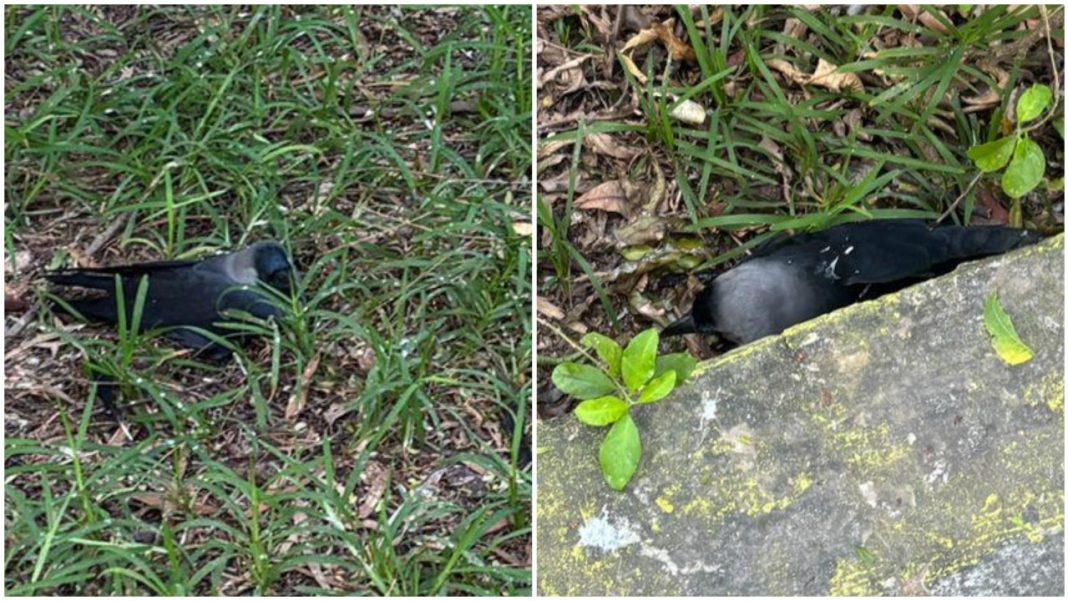
Chennai is currently grappling with a concerning public health situation following the confirmed outbreak of the highly pathogenic Avian Influenza, commonly known as H5N1 bird flu. The discovery of hundreds of crows found dead across various parts of the city has raised alarms, prompting swift action from state authorities. This development underscores the critical need for vigilance and adherence to preventive measures to contain the spread of the virus and protect public health.
The Spreading Shadow: Hundreds of Crows Found Dead
The alarm bells first rang when residents in areas like Adyar, Taramani, and Guindy began reporting an unusual number of dead crows over the past few days. Initial reports, initially treated as isolated incidents, quickly escalated as the toll mounted, reaching into the hundreds. Concerned citizens alerted local authorities, leading to the collection of samples from the deceased birds for immediate laboratory analysis. These samples were dispatched to the National Institute of High Security Animal Diseases (NIHSAD) in Bhopal, the country’s apex facility for diagnosing avian diseases.
The results returned unequivocally confirmed the presence of the H5N1 virus. This confirmation has amplified concerns, as H5N1 is known for its high mortality rate in poultry and wild birds. The sudden, mass deaths of crows, which are common scavengers and urban birds, indicate a significant presence of the virus within the local bird population, posing an indirect threat to other avian species and a potential, albeit rare, risk to humans.
Government Takes Action: Advisory Issued and Prevention Measures
In response to the confirmed outbreak, the Tamil Nadu government has moved swiftly to implement containment strategies and inform the public. The Department of Animal Husbandry and Veterinary Services, in coordination with the Health Department, has issued a comprehensive advisory detailing precautions and reporting protocols. This advisory stresses the importance of avoiding direct contact with dead or sick birds and urges the public to report any such sightings to the nearest veterinary centre or helpline immediately.
Surveillance efforts have been intensified, particularly within a 1-kilometre radius of the areas where bird deaths were reported. Teams are actively involved in collecting samples, sanitising affected zones, and sensitising local communities. Dr. K. Senthil Kumar, a senior epidemiologist with the Tamil Nadu Health Department, emphasised the gravity of the situation: “We urge the public not to panic but to remain vigilant. Reporting unusual bird deaths immediately and strictly adhering to hygiene protocols are crucial steps in containing this outbreak.” The advisory further recommends thorough cooking of poultry and eggs to eliminate any potential viral presence, along with regular handwashing, especially after handling raw meat.
Understanding H5N1: Risks and Public Health Implications
H5N1 is a zoonotic disease, meaning it can transmit from animals to humans, though human infections are relatively rare. When human cases do occur, they are typically a result of close, prolonged, and unprotected contact with infected birds or their contaminated environments. Symptoms in humans can range from mild flu-like illness to severe respiratory disease, and in some cases, can be fatal. However, it’s crucial to note that human-to-human transmission of H5N1 is extremely uncommon, and the current focus remains on preventing its spread within the avian population and minimising any potential spillover.
The government’s advisory aims to mitigate these risks by breaking the chain of transmission. Public cooperation in adhering to the guidelines is paramount. By responsibly disposing of dead birds (as advised by authorities), maintaining personal hygiene, and reporting suspicious cases, residents can play a vital role in protecting both animal and human health. The situation is being closely monitored by state and central health agencies, with all necessary measures being taken to bring the outbreak under control.
The H5N1 outbreak in Chennai serves as a stark reminder of the interconnectedness of animal and human health. While the immediate focus is on containment and prevention, the broader message is one of continuous vigilance and community participation in public health efforts. Residents are encouraged to stay informed through official channels and to follow all directives issued by health authorities.

