


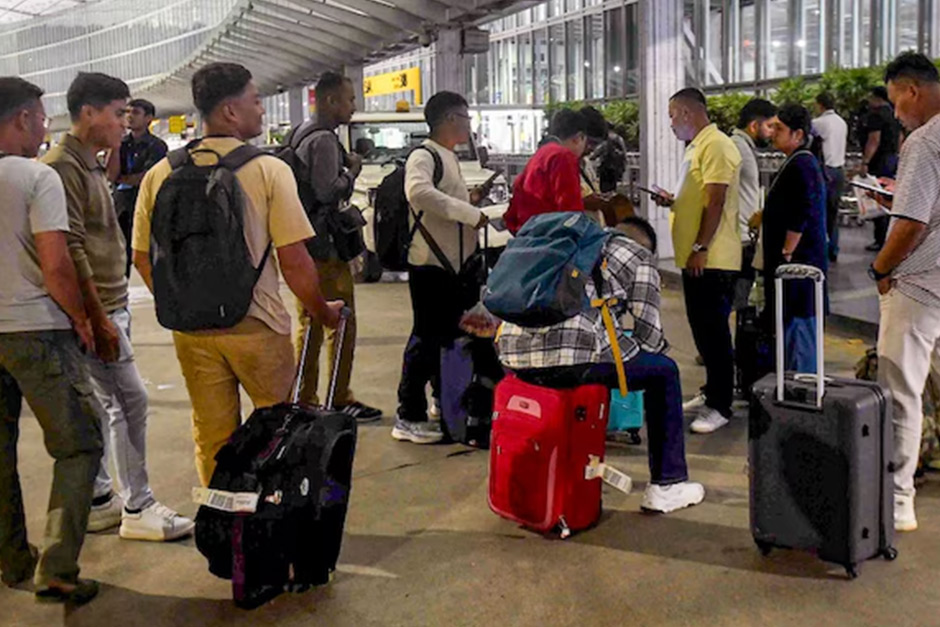
The American dream, for many Indian professionals, often begins with an H-1B visa – a gateway to unparalleled opportunities in technology, healthcare, and various other sectors. However, for a growing number of these highly skilled individuals, that dream has become a waking nightmare. Thousands of H-1B visa holders, currently visiting India, find themselves stranded and increasingly anxious, as US consulates across the country have abruptly canceled their visa renewal appointments, leaving their careers and lives in a precarious limbo.
This unforeseen hurdle impacts not just individuals but entire families, with careers hanging by a thread and financial stability severely threatened. The situation highlights the acute vulnerability faced by temporary visa holders, even those who have built lives and contributed significantly to the US economy for years.
The Abrupt Halt: Consular Cancellations and Confusion
Typically, H-1B visa holders residing in the U.S. need to travel to their home country for visa stamping when renewing their visa after an extension or transfer. This process, while often an inconvenience, has historically been a predictable administrative step. The current crisis stems from a sudden wave of cancellations of scheduled interview appointments for H-1B renewals at US consulates in major Indian cities like Mumbai, Delhi, Chennai, Hyderabad, and Kolkata.
While the US Embassy and Consulates in India have not issued a widespread public statement detailing the precise reasons for the mass cancellations, sources within the affected community suggest a backlog, technical glitches, or a reassessment of processing capacities. The lack of clear communication has only exacerbated the panic and frustration. Many individuals had meticulously planned their trips, often coinciding with family visits or personal emergencies, only to have their return jeopardized by a bureaucratic bottleneck. These are not new applicants but individuals whose petitions have already been approved by USCIS, awaiting only the physical stamp in their passports to resume their work and lives in the United States.
Lives on Hold: The Human and Economic Toll
The repercussions of being stranded extend far beyond mere inconvenience. For many H-1B workers, their jobs in the U.S. are now at risk. Companies, while often understanding, cannot always afford to wait indefinitely for employees to return, especially in fast-paced industries like technology. This puts immense pressure on individuals who have mortgages, car payments, and children’s school fees dependent on their American salaries.
The emotional toll is equally heavy. Families are being torn apart, with spouses and children potentially remaining in the U.S. while the primary visa holder is stuck in India. The uncertainty breeds anxiety and stress, impacting mental well-being. “My job is on the line. My family is in California. Every day without a new appointment feels like a year, and the silence from the consulates is deafening,” laments an IT professional from Bengaluru, who requested anonymity, highlighting the palpable fear gripping the community.
Financially, the burden is escalating. Extended stays in India mean unexpected expenses, while rent and other living costs continue in the US. The economic contribution of H-1B workers to both the US and Indian economies is substantial. Their prolonged absence impacts not only their employers in the US but also remittances to India, which play a crucial role in local economies.
Navigating an Uncertain Path: What Lies Ahead?
Affected individuals are exploring every possible avenue, from contacting immigration lawyers and employer HR departments to reaching out to US lawmakers and Indian diplomatic missions. The primary demand is for transparency regarding the cancellations and, more importantly, a swift resolution through expedited appointment availability or alternative processing mechanisms.
There is growing hope around a pilot program announced by the US State Department for domestic H-1B visa renewals, expected to launch in early 2024. If successful, this program could significantly alleviate the need for international travel for stamping for many. However, for those currently stuck, this future solution offers little immediate relief. The urgency lies in addressing the present backlog and enabling these skilled professionals to return to their livelihoods and families.
The situation underscores the need for robust and transparent visa processing systems that can withstand unforeseen challenges. As India continues to be a primary source of H-1B talent, ensuring a predictable and efficient visa renewal process is crucial for maintaining the flow of skilled labor vital to the US economy and for fostering stronger bilateral ties.
The plight of these stranded H-1B workers serves as a stark reminder of the human element behind immigration policies and the critical need for empathy and efficiency in bureaucratic processes. A clear, compassionate, and expedited solution is urgently needed to allow these individuals to resume their lives and continue contributing to the global workforce.

