


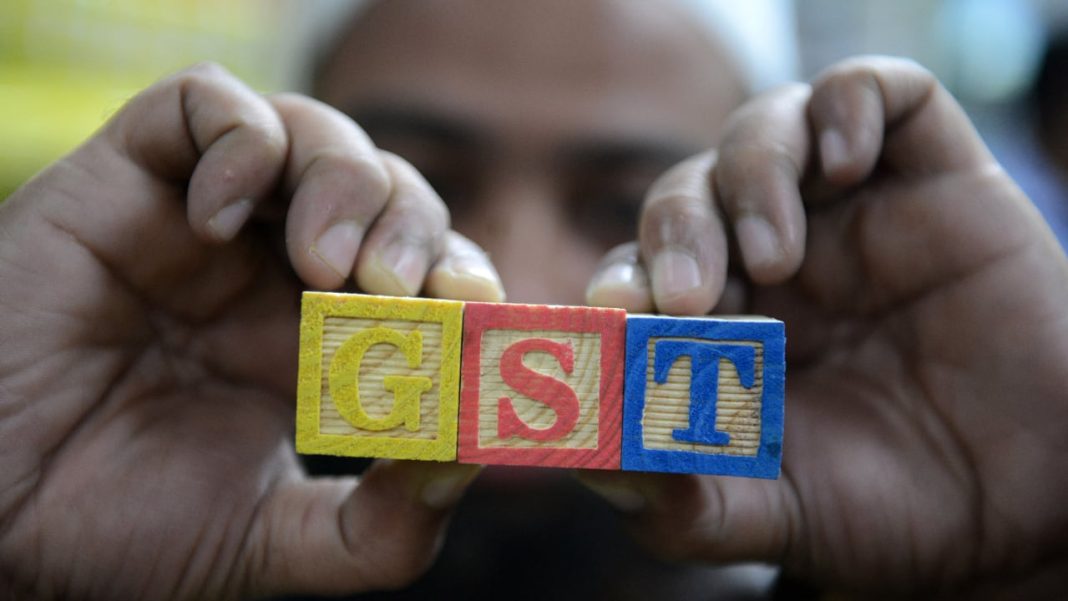
India’s Goods and Services Tax (GST) collections have once again showcased remarkable resilience and growth, scaling up significantly in December 2023. The Union Finance Ministry announced that the gross GST revenue for the month stood at an impressive Rs 1,74,154 crore. This marks a substantial 10.3% year-on-year increase compared to December 2022, underscoring the sustained momentum in economic activity and improved tax compliance across the nation.
The December figures are particularly noteworthy as they represent the second-highest monthly collection ever recorded since the implementation of GST, falling just shy of the record Rs 1.87 lakh crore collected in April 2023. This consistent uptick in revenue collection provides a strong indicator of India’s robust economic health and the increasing formalization of its diverse sectors. For businesses and policymakers alike, these numbers paint a positive picture of consumption trends and fiscal stability.
Decoding the December Surge in GST Collections
The Rs 1.74 lakh crore collected in December 2023 is a composite of various tax components. Specifically, the Central Goods and Services Tax (CGST) accounted for Rs 33,136 crore, while the State Goods and Services Tax (SGST) stood at Rs 42,000 crore. The Integrated Goods and Services Tax (IGST) brought in a significant Rs 89,080 crore, which includes Rs 40,263 crore collected on imported goods. Additionally, the Cess collection for the month was Rs 9,938 crore, including Rs 848 crore collected on imported goods.
A deeper dive into the numbers reveals a consistent upward trend. The average monthly gross GST collection in the Financial Year 2023-24 has now reached Rs 1.66 lakh crore, significantly higher than the Rs 1.50 lakh crore average recorded in the previous financial year. This sustained performance highlights not just periodic spikes but a fundamental strengthening of the tax base and collection mechanisms. The growth rate itself, at over 10% year-on-year, signals a healthy expansion in both manufacturing and services sectors, which are key drivers of GST revenue.
Driving Factors: Economic Momentum and Enhanced Compliance
Several factors appear to be contributing to this consistent upward trajectory in GST collections. One of the primary drivers is the underlying economic momentum. India’s economy has shown remarkable resilience in the face of global headwinds, with strong domestic demand acting as a buffer. The festive season, which typically extends from October to December, often boosts consumption, and its positive effects are clearly visible in the December collections. Increased consumer spending on goods and services directly translates into higher GST revenues.
Beyond consumption, enhanced tax compliance and stringent anti-evasion measures by tax authorities are playing a crucial role. The government’s continuous efforts to streamline the GST framework, coupled with robust data analytics and intelligence-sharing mechanisms, have made it increasingly difficult for businesses to evade taxes. Initiatives like mandatory e-invoicing for a wider range of businesses, tighter scrutiny of Input Tax Credit (ITC) claims, and proactive enforcement actions against fraudulent entities have significantly improved compliance levels.
Commenting on this positive trend, Dr. Rohan Sharma, a prominent Mumbai-based economic policy analyst, noted, “The consistent upward trajectory in GST collections is a clear indicator of India’s underlying economic resilience and the increasing formalization of its economy. It also reflects the enhanced compliance framework that the GST Council has diligently built over the years. This robust performance provides the government with greater fiscal space to accelerate its infrastructure and social development agendas.”
Implications for India’s Economic Landscape
The sustained high GST collections carry significant implications for the Indian economy. Firstly, they provide the central and state governments with increased revenue, bolstering their financial positions. This enhanced fiscal capacity can be strategically deployed towards crucial public expenditure, such as infrastructure development, social welfare schemes, and strengthening public services, which in turn fuels further economic growth.
Secondly, consistent GST growth reinforces positive investor sentiment. It signals a stable and growing economy with predictable revenue streams, making India an attractive destination for both domestic and foreign investment. This cycle of investment can lead to job creation, increased production, and overall economic prosperity.
Finally, the growing GST base points towards the deepening formalization of the economy. As more businesses come under the GST ambit and comply with tax regulations, it creates a fairer playing field, reduces the scope for unfair competition from the informal sector, and ultimately contributes to a more transparent and efficient economic ecosystem. The December 2023 GST collections, therefore, are not just numbers; they are a strong affirmation of India’s economic resilience and its trajectory towards sustained growth.
As India navigates the complexities of the global economic environment, the steady rise in GST revenues serves as a crucial barometer of its domestic strength. The robust performance in December sets a positive tone for the upcoming months, reflecting optimism for continued economic expansion and fiscal stability in the nation.

