


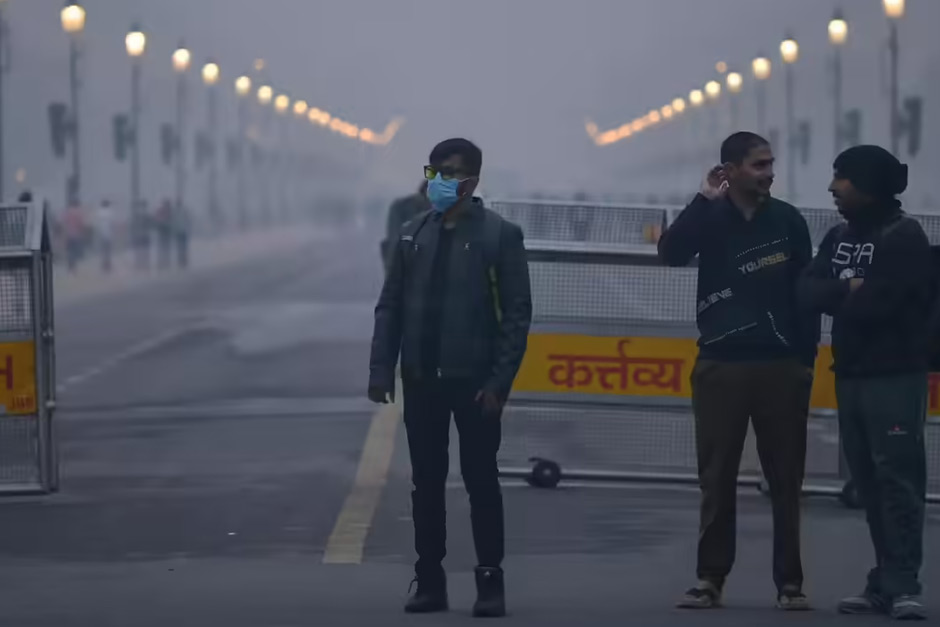
As autumn deepens into winter, Delhi once again finds itself shrouded in a familiar, ominous haze. The crisp blue skies of just a few weeks ago have given way to a perpetual grey, a stark visual indicator of the rapidly deteriorating air quality. Residents are bracing for another challenging smog season, with the Air Quality Index (AQI) already breaching ‘poor’ and ‘very poor’ categories in many parts of the National Capital Region (NCR). The situation has prompted an urgent response from the authorities, with the Environment Minister issuing strict orders for a comprehensive crackdown on all polluting units across the city.
Delhi’s Recurring Nightmare: The Onset of Smog Season
The worsening air quality in Delhi is a complex, multi-faceted problem that resurfaces with alarming regularity each year. Geographically, Delhi’s landlocked position means pollutants often get trapped, especially during colder months when wind speeds drop and temperature inversions occur. These meteorological conditions prevent the dispersal of particulate matter and toxic gases, leading to a build-up close to the ground.
Beyond natural factors, anthropogenic sources contribute significantly to this annual crisis. Vehicular emissions remain a major culprit, exacerbated by an ever-growing number of private vehicles. Industrial pollution, often from unregistered or non-compliant units operating within and around the city, adds to the toxic cocktail. Construction dust, emanating from countless development projects, is another pervasive source of particulate matter. Furthermore, agricultural stubble burning in neighbouring states like Punjab and Haryana, despite ongoing efforts to curb it, continues to send plumes of smoke drifting towards the capital, acting as a significant regional pollutant.
The health implications of consistently breathing ‘very poor’ or ‘severe’ air are profound. Doctors report a surge in respiratory ailments, including asthma attacks, bronchitis, and acute respiratory infections. Vulnerable populations, such as children, the elderly, and those with pre-existing conditions, are particularly at risk. The long-term exposure to such high levels of pollution is linked to chronic diseases, reduced lung function, and even cardiovascular problems, turning the capital’s air into a silent killer.
Minister Orders Crackdown: A Push for Immediate Action
Responding to the alarming trend, the Environment Minister has reiterated the government’s commitment to tackling the crisis head-on. In a recent directive, the minister ordered all relevant departments and agencies, including the Delhi Pollution Control Committee (DPCC) and municipal corporations, to intensify their vigilance and enforce environmental norms with renewed vigour. The focus of this crackdown is on identifying and penalising polluting industrial units, unapproved construction sites, and vehicles failing emission standards.
“We cannot afford to compromise on the health of our citizens. Strict action will be taken against every polluting unit, big or small, that contributes to Delhi’s toxic air. This is not just an enforcement drive; it’s a commitment to cleaner air for Delhi,” stated the Environment Minister during a high-level meeting. The directive includes deploying special teams for inspections, imposing heavy fines, and even sealing operations for persistent offenders. The Graded Response Action Plan (GRAP), a set of emergency measures triggered by specific AQI levels, is also being strictly implemented, with restrictions on certain activities like diesel generator sets and specific construction operations already in place.
However, the challenge lies not just in issuing orders but in their effective, sustained implementation. Past crackdowns have often yielded temporary relief, only for pollution levels to rebound. Inter-state coordination remains crucial, especially concerning stubble burning, which requires collaborative efforts and long-term agricultural solutions beyond Delhi’s immediate jurisdiction. The shift towards cleaner fuels, promoting public transport, and managing waste effectively are all integral components that need consistent attention alongside punitive measures.
Delhi’s fight against air pollution is an annual ordeal, but the urgency this year feels palpable. While the minister’s order for a crackdown signals a serious intent to mitigate the immediate crisis, the long-term solution demands a holistic, multi-pronged strategy involving technological advancements, behavioural changes, and unwavering political will across all levels of governance. The grey skies over Delhi serve as a stark reminder that the struggle for breathable air is far from over, and collective action is the only path to a healthier future.

