


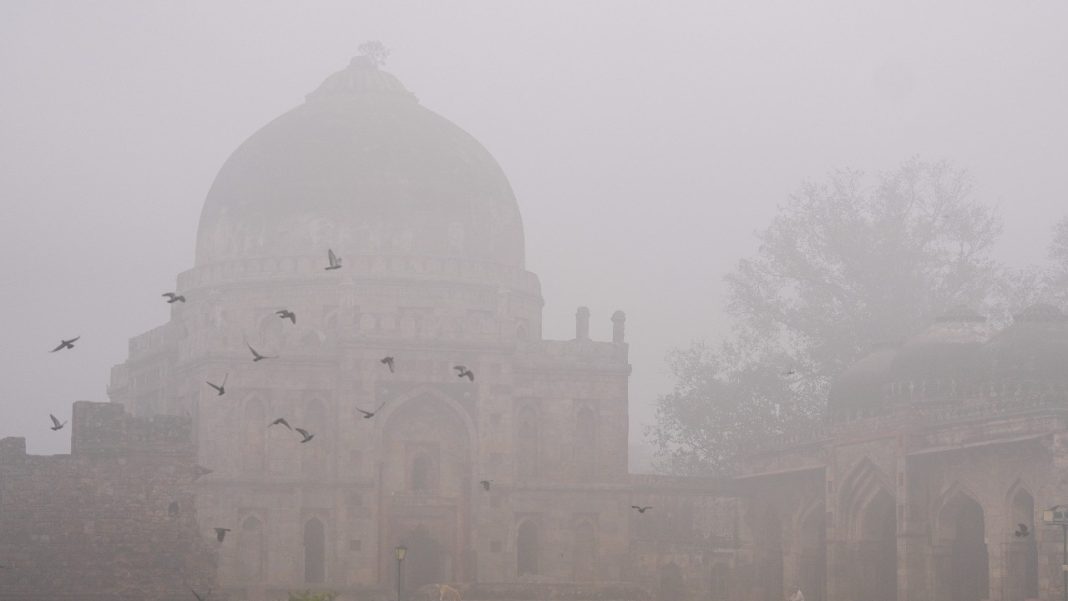
Delhi, the bustling heart of India, often paints a picture of vibrant culture and dynamic growth. However, as winter descends, a different, more somber hue takes over the capital’s skyline. The crisp air of early mornings is replaced by a heavy, grey haze, and the dipping temperatures are accompanied by a pervasive, acrid smell. For weeks now, Delhi’s air quality has hovered precariously close to the ‘Severe’ category, turning parts of the city into a gas chamber for its millions of residents. This familiar cycle of colder weather and deteriorating air quality has once again cast a long, grey shadow over the National Capital Region, prompting widespread health concerns and reigniting urgent calls for effective, lasting solutions.
The Choking Grip of Winter Air
The reasons behind Delhi’s perennial winter air crisis are complex and multi-faceted, a confluence of geographical, meteorological, and anthropogenic factors. As temperatures drop, meteorological conditions like low wind speeds and temperature inversions trap pollutants closer to the ground, preventing their dispersion. This natural phenomenon acts as a perfect incubator for airborne toxins, intensifying their concentration across the urban sprawl.
Crucially, human activities contribute significantly to this toxic cocktail. One of the most talked-about culprits during the winter months is agricultural stubble burning in neighbouring states like Punjab and Haryana. Though efforts have been made to curb this practice, vast swathes of farmland continue to be set ablaze, sending plumes of smoke that travel hundreds of kilometers to blanket Delhi. Compounding this are the city’s own substantial contributions: vehicular emissions from its ever-growing fleet of cars and two-wheelers, dust generated from rampant construction activities, and industrial pollution from surrounding areas. The festive season often sees a surge in firecracker use, further exacerbating an already critical situation. All these elements combine to push the Air Quality Index (AQI) into the ‘Very Poor’ and frequently ‘Severe’ zones, posing an immediate threat to public health.
Health Ramifications and Public Discourse
The immediate impact of such high levels of pollution is alarmingly evident across Delhi’s population. Hospitals report a marked increase in patients suffering from respiratory ailments, including asthma attacks, bronchitis, and acute respiratory infections. Children and the elderly are particularly vulnerable, with their developing or weakened immune systems struggling against the invisible onslaught. Even healthy individuals experience symptoms ranging from itchy eyes and sore throats to persistent coughs. Long-term exposure carries even graver risks, contributing to chronic lung diseases, cardiovascular problems, and even certain types of cancer.
The deteriorating air quality has become a focal point of public discourse, sparking widespread frustration and anxiety among citizens. Many are forced to restrict outdoor activities, don air purifiers indoors, and rely on face masks when venturing out – measures that were once considered extreme are now a grim reality. “It’s not just about discomfort anymore; it’s about survival,” says Dr. Priya Sharma, a pulmonologist at a prominent Delhi hospital. “We are seeing young children with lungs that resemble those of chain smokers. This isn’t just an environmental crisis; it’s a public health emergency that demands urgent, coordinated action from all levels of governance and society.” This sentiment echoes across social media and local news channels, where citizens voice their despair and demand accountability, questioning the efficacy of existing measures and the political will to implement more stringent, long-term solutions.
Navigating the Smog: Current Measures and Future Imperatives
In response to the recurring crisis, authorities have routinely activated the Graded Response Action Plan (GRAP), a set of emergency measures designed to combat pollution based on its severity. These measures typically include banning construction activities, restricting the use of diesel generators, implementing odd-even road rationing schemes for vehicles, and deploying anti-smog guns at critical locations. While these interventions offer temporary relief and are crucial during peak pollution episodes, critics argue they often fall short of addressing the root causes comprehensively.
The road ahead requires a multi-pronged, sustained strategy that goes beyond episodic fire-fighting. This includes promoting cleaner transportation, investing in public transport infrastructure, strictly enforcing emission norms for industries, transitioning to cleaner energy sources, and providing viable, sustainable alternatives to stubble burning for farmers. Public awareness campaigns, encouraging behavioral changes like waste segregation and discouraging open burning of waste, also play a vital role. Ultimately, tackling Delhi’s air pollution necessitates not just technological solutions but a fundamental shift in policy implementation, inter-state cooperation, and citizen participation to foster a breathable future for the capital.
As Delhi grapples with yet another season of grey skies and bitter cold, the urgency for a permanent solution to its air quality crisis has never been more pressing. The invisible threat woven into the very air people breathe demands unwavering commitment, coordinated efforts from government agencies, active participation from citizens, and robust inter-state collaboration. Only through such a holistic approach can the capital hope to reclaim its blue skies and ensure a healthy, breathable environment for future generations, transforming this annual ordeal into a distant memory.

