


The humanitarian crisis unfolding in Gaza has prompted a range of international responses, from calls for immediate ceasefires to offers of aid and assistance. Amidst this complex geopolitical landscape, an intriguing development emerged recently: Pakistan’s proposition to deploy troops to Gaza. This offer, rooted in a long-standing commitment to the Palestinian cause and a history of contributing to UN peacekeeping missions, drew a notable response from the United States, which, while expressing gratitude, underscored the intricate realities of the situation.
The episode highlights not only the depth of concern over the conflict but also the diplomatic tightrope walk required in navigating such sensitive proposals. TrendLyric.com delves into Pakistan’s offer, the US reaction, and the broader implications for the region.
Pakistan’s Offer: A Bid for Peace or a Symbolic Gesture?
Pakistan, a nation with a deep historical and religious affinity for Palestine, has consistently voiced strong condemnation of the violence in Gaza and advocated for a just resolution to the Israeli-Palestinian conflict. Against this backdrop, reports indicated that Islamabad had conveyed its readiness to send troops to Gaza. While specific details regarding the mandate or scale of such a deployment remained somewhat fluid, the general understanding was that these troops could potentially assist in humanitarian efforts, aid distribution, or even contribute to a future international peacekeeping force, should one be established.
For Pakistan, this offer aligns with its established foreign policy stance and its significant historical contribution to United Nations peacekeeping operations worldwide. Pakistan has been one of the largest and most consistent contributors to UN missions, deploying hundreds of thousands of personnel to conflict zones across the globe over the decades. This background lends a certain credibility to its offer, presenting it not merely as a rhetorical gesture but as a tangible commitment from a nation with proven operational experience in complex environments. Domestically, such a move could also resonate strongly with a populace deeply sympathetic to the Palestinian plight.
The US Response: Gratitude Amidst Geopolitical Nuances
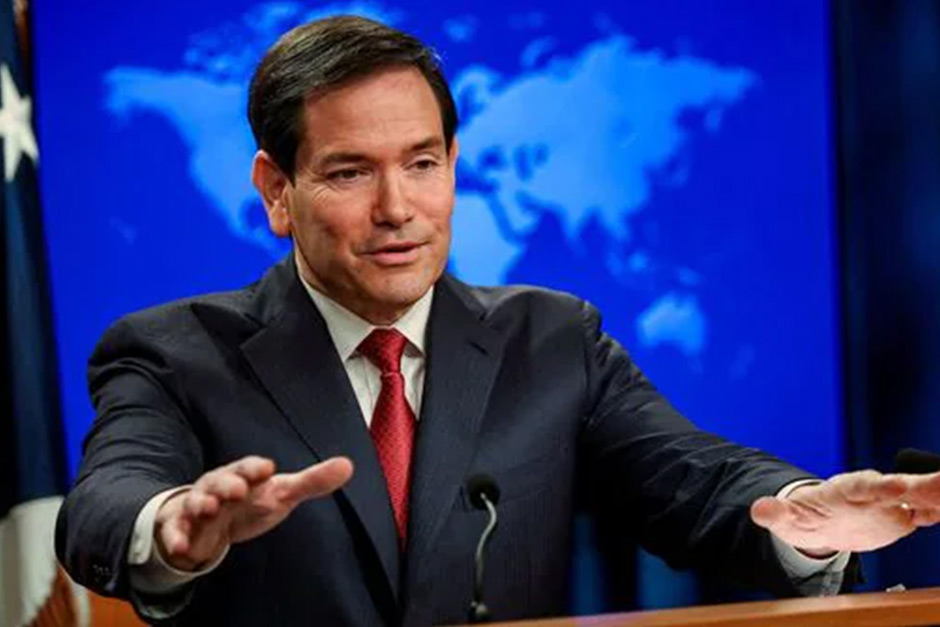
The United States, a key player in the Middle East and a staunch ally of Israel, found itself in a delicate position responding to Pakistan’s offer. Speaking on the matter, the US State Department acknowledged the proposition with diplomatic care. Vedant Patel, Principal Deputy Spokesperson for the State Department, conveyed Washington’s appreciation, stating, “We’re grateful to Pakistan for their continued and unwavering commitment to the Palestinian people and to finding an enduring peace to the Israeli-Palestinian conflict.” However, the immediate context of his remarks suggested a focus on the ongoing diplomatic efforts rather than an outright acceptance or endorsement of an independent military deployment.
The US stance is deeply rooted in the complex political and security realities on the ground. The deployment of troops to Gaza by a single nation, outside a universally recognised and mandated international framework, presents numerous challenges. There is currently no UN Security Council resolution authorising such a force, and any unilateral deployment would likely face significant political hurdles, not least from Israel, which maintains control over access to Gaza and its borders. Furthermore, the operational complexities of ensuring the safety and mandate of such a force in an active conflict zone, without a clear political pathway or international consensus, are immense.
Washington’s primary focus remains on securing a ceasefire, facilitating humanitarian aid, and advancing diplomatic efforts towards a long-term solution, including the establishment of a Palestinian state alongside Israel. Introducing a foreign military contingent from a specific nation, without broad international agreement, could complicate these delicate negotiations and potentially escalate tensions rather than alleviate them.
Looking Ahead: The Path to Peace Remains Complex
Pakistan’s offer, while a strong statement of intent and solidarity, underscores the global desire for action in Gaza. However, the US response reflects the prevailing international consensus that any significant intervention in Gaza, particularly one involving military personnel, would necessitate a broad multilateral framework, ideally under the auspices of the United Nations, and with the consent of all relevant parties. The immediate priority, as seen by many international actors, remains securing consistent humanitarian access, protecting civilians, and working towards a lasting political resolution.
For nations like India, which have consistently advocated for a two-state solution and humanitarian assistance, the situation highlights the diplomatic complexities involved in addressing such deeply entrenched conflicts. While expressing solidarity and providing aid, India, like many other global powers, continues to emphasize a diplomatic and negotiated path forward, rather than a military one. The episode ultimately serves as a reminder that good intentions, however strong, must be carefully weighed against the intricate political, logistical, and security realities of the region.
The humanitarian catastrophe in Gaza demands urgent attention, but the means to achieve lasting peace and stability remain a subject of intense international debate, with diplomatic engagement currently taking precedence over military interventions by individual states.

