


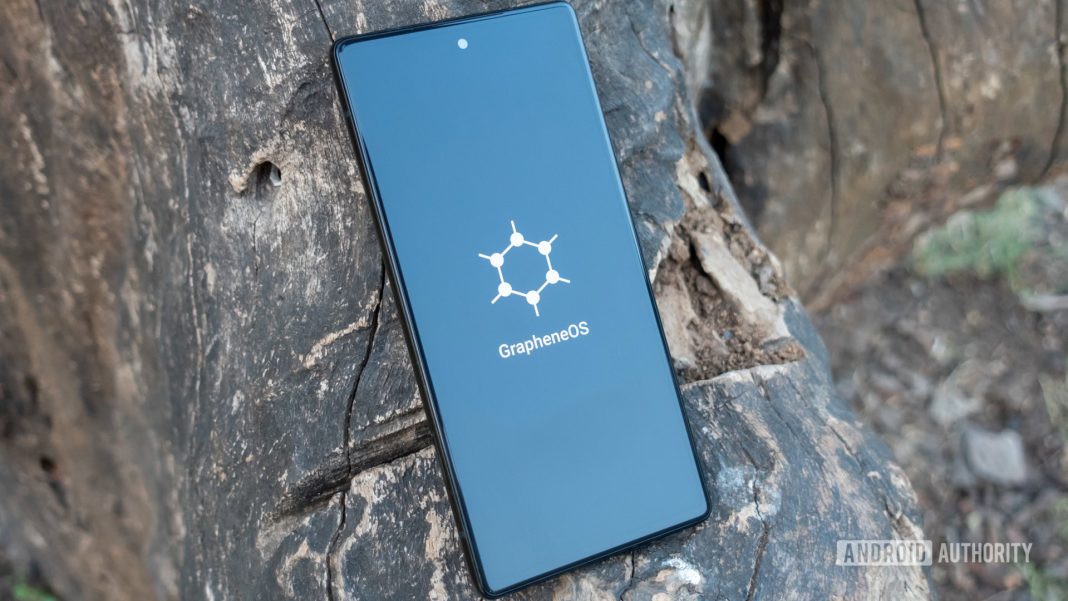
In a significant development for privacy-conscious smartphone users globally, and particularly relevant to India’s burgeoning digital landscape, GrapheneOS has officially ended its long-standing exclusivity to Google Pixel devices. The security-hardened Android-based operating system, renowned for its focus on privacy and robust hardening against sophisticated threats, announced its expansion to include select non-Pixel hardware, marking a pivotal shift in its strategy.
For years, GrapheneOS has been synonymous with Pixel phones, leveraging Google’s tight integration between hardware and software to offer an unparalleled level of security and privacy by effectively de-Googling the Android experience. This move, however, limited its reach to a niche audience willing to invest in Pixel devices, which, while available, do not command the same market share in India as brands like Samsung, Xiaomi, or OnePlus. The end of this exclusivity signals a new era for advanced mobile security, promising to make its protective features accessible to a much wider user base.
The Strategic Expansion: Why Now?
The decision to break free from Pixel exclusivity is a calculated move that reflects the evolving landscape of digital privacy and hardware availability. GrapheneOS’s core mission has always been to provide strong security and privacy protections. Limiting these protections to a single hardware line, while offering certain integration advantages, inherently restricted the number of users who could benefit.
The first non-Pixel devices to officially receive GrapheneOS support are the Fairphone 4 and Fairphone 5. This choice is significant, as Fairphone is known for its commitment to ethical manufacturing, repairability, and extended software support—values that resonate with the GrapheneOS ethos of user control and longevity. This expansion is not merely about increasing device count but about strategic alignment with hardware partners that uphold similar principles. By expanding to a broader range of devices, GrapheneOS can extend its unique security features, such as hardened kernel, sandboxed Google Play compatibility, and strong exploit protections, to a larger segment of the global smartphone market.
For a country like India, where digital literacy is rapidly expanding and concerns over data privacy are growing, this development couldn’t be more timely. Many users are seeking alternatives to conventional operating systems laden with trackers and extensive data collection, and GrapheneOS’s expansion offers a compelling, enterprise-grade solution.
Implications for Indian Smartphone Users
India’s smartphone market is one of the largest and most dynamic in the world, characterized by diverse price points and a strong preference for brands that offer good value and features. Pixels, while gaining traction, remain a premium and somewhat niche offering compared to the mass market dominance of other brands. The GrapheneOS expansion promises to democratize access to top-tier mobile security for Indian users.
Imagine a scenario where a user of a popular, non-Pixel device in India can flash GrapheneOS onto their phone, instantly upgrading their digital defense mechanisms against phishing, malware, and unwarranted data surveillance. This move addresses several key concerns pertinent to the Indian context:
- Accessibility: By supporting more readily available devices, GrapheneOS becomes a viable option for a wider economic spectrum of users, not just those who can afford or easily acquire a Pixel.
- Privacy Awareness: As Indians become more aware of their digital rights and the importance of data protection, the availability of a robust, privacy-focused OS on more devices will fuel demand and adoption.
- Digital Sovereignty: For individuals and even small businesses concerned about the extensive data collection practices of tech giants, GrapheneOS offers a pathway to greater digital sovereignty, allowing them to use essential apps without compromising on core privacy principles.
While the initial expansion is to Fairphone, it sets a precedent. The possibility of GrapheneOS eventually supporting popular devices from brands like OnePlus or Samsung (should they meet the stringent security and maintainability requirements) could truly transform the privacy landscape for millions of Indian users.
“This expansion is a pivotal moment for digital sovereignty, making robust privacy tools accessible to a wider demographic beyond a single hardware ecosystem. It’s a testament to the growing demand for user control over personal data, especially in markets like India where digital adoption is soaring,” comments Dr. Ananya Singh, a prominent Indian cybersecurity expert.
A New Chapter for Mobile Privacy
The official end of GrapheneOS’s Pixel exclusivity is more than just a technical update; it’s a strategic declaration. It signals a commitment to broader user empowerment and a recognition that top-tier mobile security should not be confined to a single brand. This move will undoubtedly encourage more users to explore custom ROMs and privacy-focused operating systems, fostering a healthier, more competitive environment for digital privacy solutions.
For TrendLyric readers in India, this means a future where advanced data protection on your smartphone is not a distant dream but an increasingly tangible reality, regardless of your device preference. As GrapheneOS carefully selects and certifies new hardware, the promise of a more secure and private mobile experience moves closer to the mainstream, empowering users to reclaim control over their digital lives.
The journey has just begun, and the implications for a digitally evolving nation like India are profoundly positive, setting a new benchmark for what users can expect from their mobile operating systems.

