


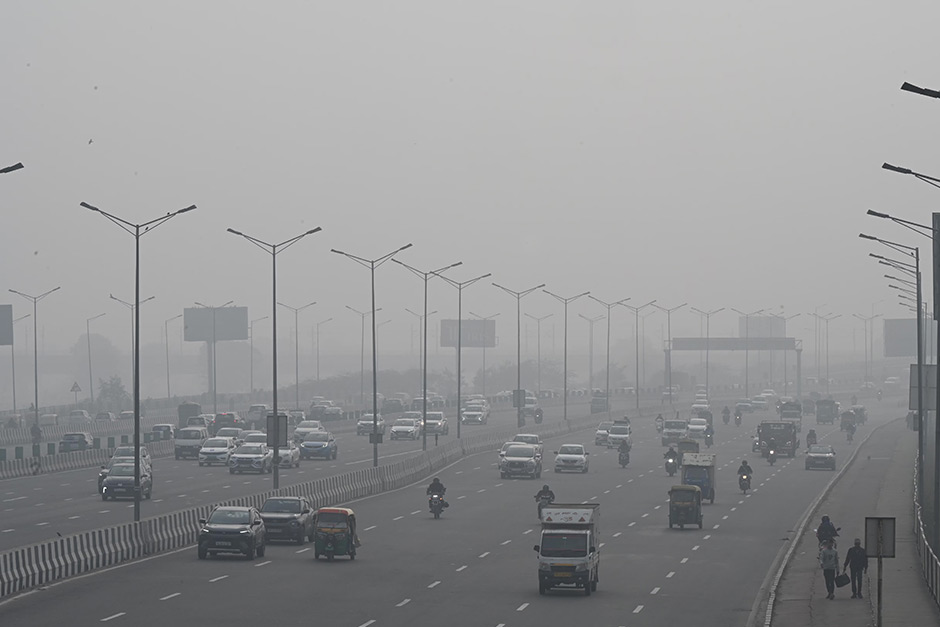
The air quality in Delhi and its surrounding National Capital Region (NCR) has once again plummeted to alarming levels, forcing authorities to escalate pollution control measures. As the region grapples with a thick blanket of toxic smog, the Commission for Air Quality Management (CAQM) has taken the stringent step of imposing Stage IV of the Graded Response Action Plan (GRAP 4) across the NCR. This declaration signals an immediate and severe public health emergency, demanding comprehensive and urgent action.
The decision to implement GRAP 4 comes as the Air Quality Index (AQI) across Delhi consistently breached the ‘Severe’ category, with several monitoring stations reporting readings well above the 400 mark. Such hazardous levels pose significant health risks, particularly to vulnerable populations including children, the elderly, and those with pre-existing respiratory and cardiovascular conditions. The emergency measures underscore the gravity of the crisis and the desperate need to mitigate the deteriorating air quality.
Understanding GRAP 4: The Emergency Lockdown
GRAP is a set of emergency measures implemented incrementally based on the severity of air pollution. Stage IV, the most restrictive phase, is triggered when the AQI crosses the 450 mark. Its imposition brings a near-total ban on polluting activities and aims to drastically reduce emissions in a short timeframe. Key measures under GRAP 4 include:
Ban on BS-III Petrol and BS-IV Diesel Vehicles: Private four-wheelers falling under these emission standards are prohibited from plying on Delhi roads. This aims to reduce vehicular emissions, a major contributor to urban pollution.
Entry Restrictions for Trucks: The entry of non-essential trucks into Delhi is completely banned, along with medium and heavy goods vehicles (MHGVs) not running on CNG or electric power. Essential services, however, remain exempt.
Complete Halt to Construction and Demolition Activities: All construction and demolition (C&D) work, with very few exceptions for essential projects like railways, metros, and hospitals, is halted. This addresses dust pollution, a significant component of Delhi’s winter smog.
Advisory on Public and Private Work: Government and private offices are advised to operate with 50% of their staff from home. Schools may also be asked to shift to online classes, and non-essential commercial activities could face restrictions.
Immediate Shutdown of Polluting Industries: Industries not running on approved clean fuels are ordered to cease operations immediately. Additionally, municipal corporations are instructed to enhance mechanised sweeping and water sprinkling, along with strictly enforcing bans on burning of biomass and waste.
These measures represent a significant disruption to daily life and economic activity, highlighting the critical nature of Delhi’s air pollution challenge. The efficacy of these bans relies heavily on strict enforcement by various agencies involved.
Delhi’s Chronic Air Crisis: Causes and Consequences
Delhi’s recurring winter pollution crisis is a complex issue stemming from a confluence of factors. Stubble burning in neighbouring agricultural states, particularly Punjab and Haryana, contributes significantly to regional haze. Local sources such as vehicular emissions, industrial pollution, dust from construction sites, and waste burning further exacerbate the problem. Adding to this cocktail are adverse meteorological conditions – calm winds and low temperatures – which trap pollutants close to the ground, preventing their dispersion.
The consequences of breathing such toxic air are dire. Medical experts warn of a surge in respiratory illnesses, cardiovascular problems, and other chronic diseases. Children are particularly vulnerable, with long-term exposure potentially affecting their lung development and cognitive functions. The economic impact is also substantial, affecting tourism, productivity, and public health expenditure.
Speaking on the severity, a senior official from the Delhi Environment Department stated, “GRAP 4 is not just a plan; it’s an emergency brake. While we understand the inconvenience it causes, the health of our citizens is paramount. We urge every resident to comply with these restrictions and contribute to collective efforts.” This sentiment underscores the urgency and shared responsibility required to navigate this crisis.
The Road Ahead: Beyond Emergency Measures
While GRAP 4 provides a temporary reprieve by cutting down emissions during peak pollution, it is widely acknowledged that these emergency measures are not a sustainable long-term solution. Delhi requires sustained efforts to transition towards cleaner energy, strengthen public transportation, implement advanced waste management systems, and promote sustainable urban planning.
Inter-state cooperation is crucial to address the problem of stubble burning, requiring innovative agricultural solutions and incentives for farmers. Public awareness and behavioural changes, such as opting for public transport or carpooling, also play a vital role. The current crisis serves as a stark reminder that a holistic and consistent approach, spanning policy, technology, and public participation, is essential for Delhi to breathe clean air in the future.
The imposition of GRAP 4 underscores the fragility of Delhi’s environment and the immediate threat to public health. While the measures are stringent, they are a necessary evil in the face of an invisible killer. The hope remains that these emergency actions, combined with long-term strategic planning, will pave the way for a more breathable and sustainable future for the NCR.

