


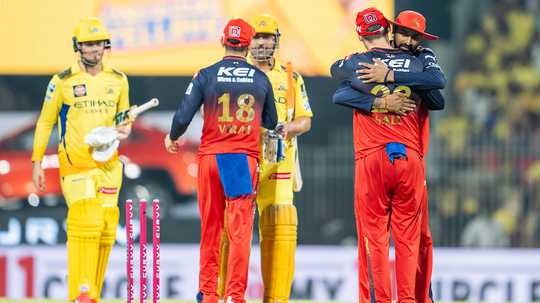
The landscape of the Indian Premier League (IPL), a tournament synonymous with electrifying cricket and a packed calendar, is set for a significant transformation. In a landmark decision that promises to reshape its future, the IPL Governing Council has officially cleared a two-phase timeline for the 2026 season. This strategic move, confirmed recently, marks a departure from the traditional single-window format and signals an adaptive approach to the league’s burgeoning global footprint and the demanding international cricketing schedule.
The decision underscores the IPL’s continuous evolution, striving to balance its commercial imperatives with the welfare of players and the intricacies of the global cricketing calendar. While specific details regarding the duration of each phase and the intervening break are yet to be fully disclosed, the announcement itself has sent ripples through the cricketing fraternity, prompting discussions about its potential benefits and challenges for franchises, players, broadcasters, and fans alike.
The Rationale Behind the Shift
The move to a two-phase structure for IPL 2026 is driven by a confluence of factors, primarily centering on player welfare, strategic growth, and accommodating an increasingly crowded international schedule. The modern cricketer faces unprecedented physical and mental demands, with back-to-back tournaments often leaving little room for recovery. The IPL, known for its intense competition and travel, contributes significantly to this workload. A phased approach could offer players a much-needed respite, mitigating burnout and reducing the risk of injuries that have plagued many star performers in recent years.
Furthermore, the BCCI and the IPL Governing Council are acutely aware of the logistical complexities involved in scheduling the league around international bilateral series and major ICC tournaments. A two-phase model provides greater flexibility, potentially allowing the IPL to avoid direct clashes with significant international commitments, thereby ensuring maximum availability of top-tier foreign players and, crucially, India’s national team stars. This strategic planning aims to maintain the high quality of cricket that fans have come to expect, without compromising India’s international fixtures or player participation.
From a commercial standpoint, a staggered timeline could also open up new avenues. Broadcasters and sponsors might find extended engagement opportunities, with two distinct peaks for advertising and viewer interest. This could translate into enhanced revenue streams for the league, solidifying its position as one of the world’s most lucrative sporting properties. The ability to sustain hype and fan engagement over a longer, albeit broken, period could prove invaluable in a competitive entertainment landscape.
Operational Framework and Potential Impacts
While the precise structure is still under wraps, industry insiders speculate that the two phases could be separated by a significant break – perhaps a month or more – to allow for international commitments or simply player rest. This interim period could also be utilized for domestic tournaments, which sometimes find themselves squeezed by the IPL’s traditional window. Such a design could bring greater harmony to the overall Indian cricketing calendar.
The operational challenges, however, will be substantial. Franchises will need to adapt their strategies for player management, logistics, and sustained team cohesion across the break. Ensuring players remain fit and in form through the hiatus, especially those returning from international duty, will be paramount. Moreover, managing fan interest during the break and re-energizing the buzz for the second phase will require innovative marketing and engagement strategies.
The new timeline also holds implications for the player auction dynamics. Teams might need to consider squad depth more carefully, accounting for potential availability issues across two separate windows. For younger players, a longer, phased tournament could offer extended opportunities to prove their mettle and gain experience.
Reflecting on the bold decision, cricket analyst Sunil Subramaniam remarked, “This two-phase model isn’t just about scheduling; it’s a proactive step towards future-proofing the IPL. It shows the Governing Council’s commitment to player welfare and its strategic vision to evolve the league in sync with the demands of modern cricket, ensuring its sustained success and relevance on the global stage.”
The IPL Governing Council’s decision to implement a two-phase timeline for 2026 marks a pivotal moment for Indian cricket’s flagship tournament. It signifies a forward-thinking approach aimed at addressing critical issues like player fatigue and calendar congestion, while simultaneously exploring new commercial horizons. As the cricketing world eagerly awaits further details on its implementation, this strategic overhaul promises to usher in a new era for the IPL, one that prioritizes sustainability, player well-being, and continued global dominance.
The path ahead will undoubtedly involve careful planning and execution, but the intent is clear: to ensure the IPL remains at the pinnacle of T20 cricket, adaptable and resilient in an ever-changing sporting landscape. The 2026 season, therefore, is poised to be a landmark edition, setting new benchmarks for how premier franchise leagues operate globally.

