


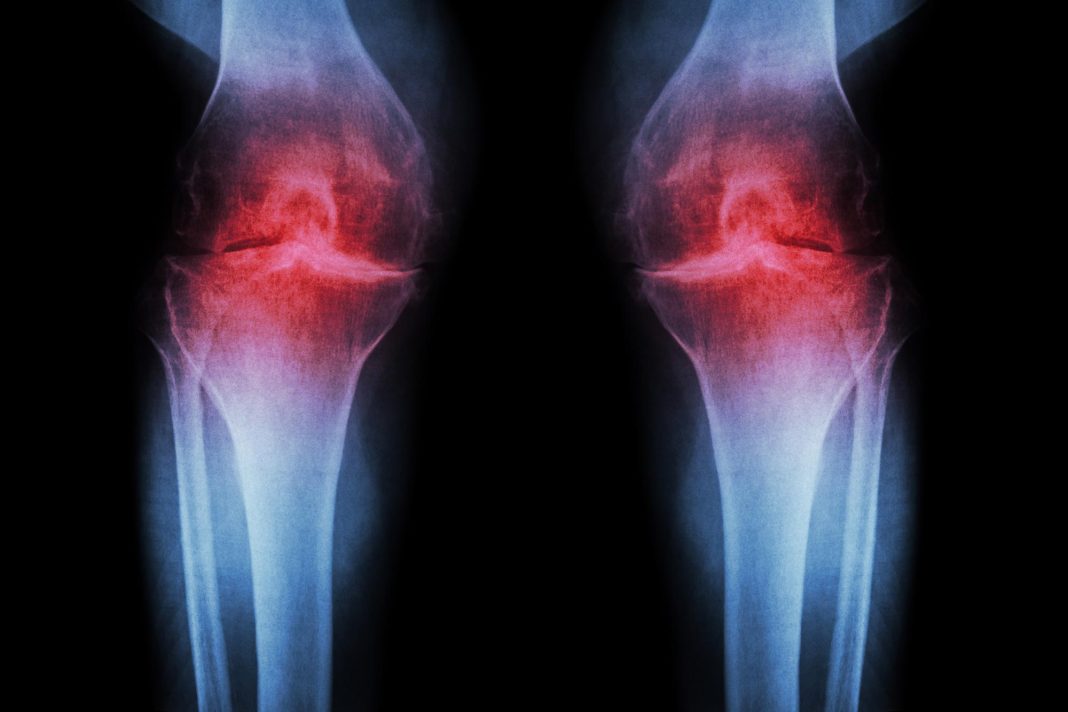
The wear and tear on our joints is a common, often painful, reality of aging. For many, particularly the knees, the smooth cartilage that cushions bones can degrade over time, leading to stiffness, pain, and eventually, conditions like osteoarthritis. Current treatments often focus on managing symptoms or, in severe cases, involve significant surgical interventions. But what if a simple injection could not only relieve pain but actually help regrow the very tissue that’s worn away? Recent advancements in medical science suggest this future might be closer than we think.
Understanding the Cartilage Challenge
Articular cartilage is an incredible tissue. It provides a low-friction surface for smooth joint movement and acts as a shock absorber. Unfortunately, unlike many other tissues in the body, cartilage has a very limited capacity for self-repair. Once it’s damaged or starts to thin, it rarely regenerates effectively on its own. This inherent limitation is why conditions like osteoarthritis, which involves the progressive breakdown of cartilage, have historically been so challenging to treat. Traditional approaches range from physical therapy and anti-inflammatory medications to corticosteroid injections for temporary relief, and ultimately, joint replacement surgery when the damage becomes debilitating.
The scientific community has long sought methods to encourage the body to heal itself, especially in areas like cartilage that are naturally resistant to repair. The idea of an “anti-aging” solution in this context isn’t just about looking younger, but about restoring the youthful function and structure of our tissues, essentially turning back the clock on cellular degradation within the joint.
A New Era of Regeneration: How the Injection Works
The promise of this new anti-aging injection lies in its ability to actively stimulate the regrowth of cartilage. While specific formulations can vary in ongoing research, many of these innovative therapies typically involve injecting bio-active substances directly into the joint. These substances might include growth factors that signal cells to multiply and differentiate into cartilage cells, or even specially prepared cellular components designed to kickstart the body’s natural regenerative processes.
The goal is precise: to introduce agents that can reprogram the local environment within the knee, encouraging existing cells to repair and new cells to form healthy, functional cartilage. This isn’t merely masking pain; it’s about addressing the root cause of the problem by restoring the very tissue that provides cushion and smooth movement. By restoring cartilage, the injection aims to not only alleviate current symptoms but also to prevent further deterioration, thereby potentially stopping the progression of arthritis before it becomes severe.
“We’re moving beyond just fixing what’s broken and into a realm where we can genuinely restore biological function,” explains one researcher involved in a recent study. “It’s about reactivating the body’s inherent healing capabilities in a targeted way, offering a preventative approach to joint degeneration that was once thought impossible.”
The Potential Impact on Joint Health
If these injections continue to prove successful in clinical trials and become widely available, the implications for joint health could be transformative. Imagine a future where the onset of knee pain and stiffness could be met not with a lifetime of pain management or the inevitability of surgery, but with an injection that helps restore youthful joint function. This could significantly improve quality of life for millions, allowing individuals to maintain active lifestyles well into old age.
Beyond treating existing damage, the preventative aspect is particularly exciting. By addressing cartilage thinning early, these injections could potentially avert the painful progression to full-blown osteoarthritis, saving individuals from years of discomfort and the need for invasive procedures. This shift from reactive treatment to proactive regeneration represents a significant leap forward in musculoskeletal medicine.
While research is ongoing and widespread availability may still be some time away, the developments in regenerative medicine for knee cartilage offer a compelling glimpse into a future where aging doesn’t necessarily mean aching joints. This innovative approach holds the promise of not just easing symptoms but fundamentally reversing the effects of time on our most crucial joints.

