


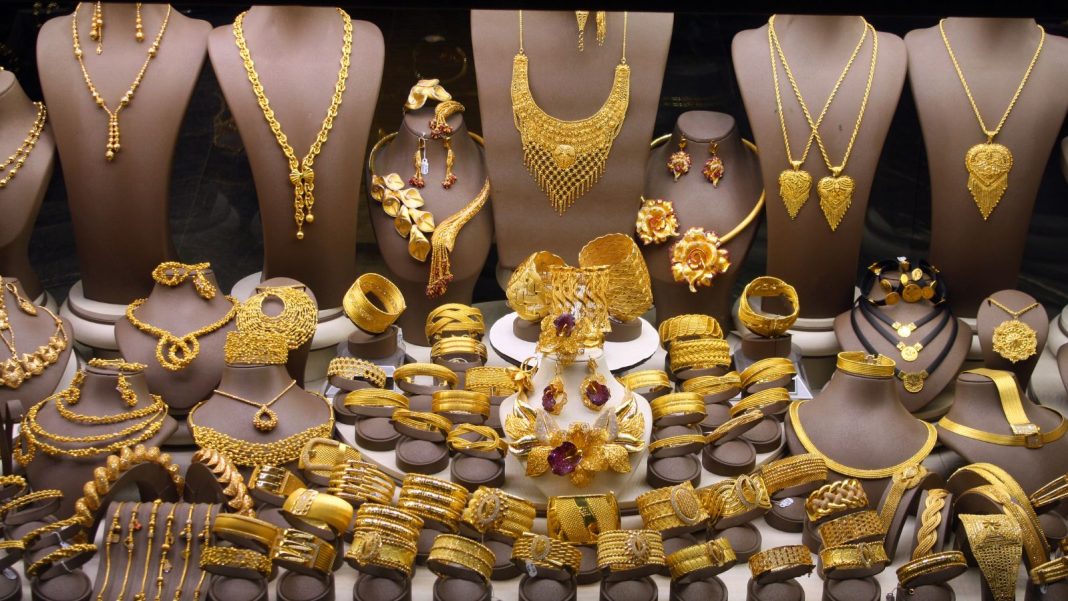
Gold, a metal deeply intertwined with India’s cultural fabric and economic aspirations, continues to be a focal point for millions. As February 12 unfolds, investors and consumers alike are keenly observing the daily fluctuations in the precious metal’s price. Whether for investment, adornment, or as a traditional gift, understanding the current market rates for 18, 22, and 24-carat gold across major Indian cities is crucial for making informed decisions.
India’s demand for gold is robust, driven by festivals, wedding seasons, and its enduring appeal as a safe-haven asset against economic uncertainties. Today’s rates reflect a dynamic interplay of global cues and domestic factors, offering a snapshot of the market’s sentiment.
National Gold Price Overview on February 12
As of February 12, 2024, the national average for 24-carat gold, the purest form, is witnessing a steady trend. For 10 grams of 24-carat gold, the price hovers around the ₹63,250 mark. This benchmark purity is often chosen for investment purposes, such as gold bars and coins, due to its intrinsic value.
For those interested in jewellery, 22-carat gold, which contains 91.6% pure gold mixed with other metals to enhance durability, is the preferred choice. The price for 10 grams of 22-carat gold nationally stands approximately at ₹57,980. This slight dip or stability compared to recent days reflects the ongoing market consolidation.
Meanwhile, 18-carat gold, frequently used in more intricate jewellery designs due to its higher durability and lower cost, is priced around ₹47,430 per 10 grams across the country. These national averages serve as a significant indicator, though local variations are a standard feature of India’s gold market.
City-Specific Gold Rates Across India
The price of gold in India is not monolithic; it varies slightly from city to city due to factors like local demand, transportation costs, and specific state taxes. Let’s delve into the specific rates for 18, 22, and 24-carat gold in key metropolitan areas on February 12.
Chennai
In Chennai, a major hub for gold consumption, 24-carat gold is priced at approximately ₹63,800 per 10 grams. For 22-carat gold, often sought after for traditional South Indian jewellery, the rate is around ₹58,490 per 10 grams. The 18-carat variant trades at roughly ₹47,850 per 10 grams, reflecting a slight premium compared to the national average.
Mumbai
Mumbai, India’s financial capital, sees 24-carat gold at ₹63,250 per 10 grams. The 22-carat gold rate for 10 grams is ₹57,980, closely aligning with the national average. For 18-carat gold, the price stands at ₹47,430 per 10 grams, making it a competitive market for both investors and buyers.
Delhi
The capital city, Delhi, reports 24-carat gold at ₹63,400 per 10 grams. Shoppers looking for 22-carat gold will find it priced at ₹58,120 per 10 grams. The 18-carat gold rate is approximately ₹47,540 per 10 grams, demonstrating a consistent trend with other major markets but with minor regional adjustments.
Kolkata
Kolkata, known for its rich cultural heritage and demand for gold during festivals, has 24-carat gold at ₹63,250 per 10 grams, identical to Mumbai. The 22-carat gold rate is ₹57,980 per 10 grams, and 18-carat gold is available at ₹47,430 per 10 grams. This stability makes Kolkata a predictable market for gold transactions.
Bengaluru
Bengaluru’s market for 24-carat gold stands at ₹63,700 per 10 grams. The 22-carat gold price is ₹58,390 per 10 grams, while 18-carat gold is ₹47,770 per 10 grams. The Garden City exhibits rates that are marginally higher than some northern counterparts, reflecting localized supply-demand dynamics.
Hyderabad
In Hyderabad, 24-carat gold is valued at ₹63,800 per 10 grams. The 22-carat variety fetches ₹58,490 per 10 grams, and 18-carat gold is priced at ₹47,850 per 10 grams. These rates are consistent with Chennai’s, highlighting the interconnectedness of South Indian gold markets.
Commenting on the broader market sentiment, Anand Sharma, a seasoned bullion analyst, remarked, “Despite global economic uncertainties, gold’s appeal as a stable asset in India remains undiminished. Minor daily fluctuations are standard, driven by international spot prices and the Indian rupee’s performance. Buyers should always cross-verify rates from multiple trusted sources.”
Factors Influencing Today’s Gold Rates
Several critical factors contribute to the daily movement of gold prices. Globally, the strength of the US Dollar, geopolitical tensions, and central bank policies significantly impact international spot gold prices, which in turn influence Indian rates. For instance, a stronger dollar typically makes gold more expensive for holders of other currencies.
Domestically, demand during auspicious occasions like weddings and festivals, along with government policies on gold imports and duties, plays a crucial role. Inflation expectations also drive investment in gold, as it is often seen as a hedge against rising prices. The interplay of these factors creates the dynamic pricing environment observed today.
In conclusion, February 12 presents a largely stable, yet attentively watched, gold market in India. While national trends provide a general direction, consumers are advised to consult local jewellers and real-time market data for the most accurate prices before making any purchase. Gold’s enduring value in India ensures its rates will always be a topic of keen interest and careful consideration.

