


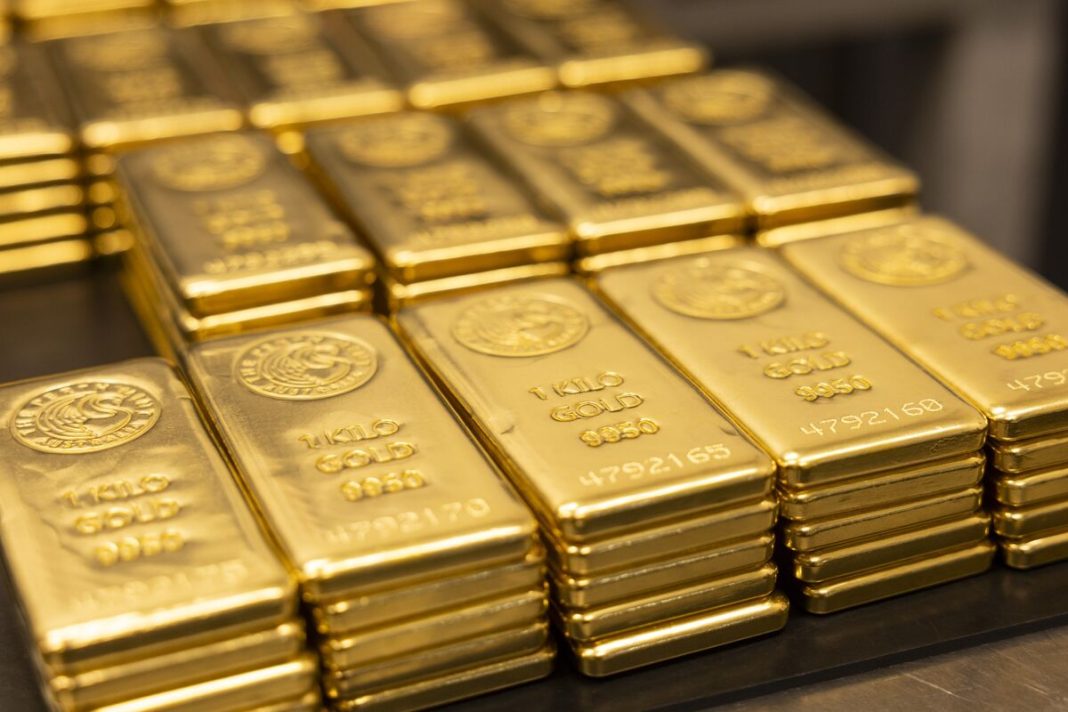
There’s a curious dynamic playing out in the global markets. As headlines increasingly hint at breakthroughs in the long-running US-China trade saga, one asset, traditionally seen as a pillar of stability, is finding itself losing its shine. We’re talking about gold, the ultimate safe haven, which has been steadily retreating from its recent highs. But why does good news for global trade mean less sparkle for the yellow metal? Let’s delve into the intricate dance between geopolitics, investor sentiment, and the price of gold.
The Enduring Appeal of Gold as a Safe Haven
For centuries, gold has been the go-to asset when uncertainty grips the world. Wars, economic crises, political instability – these are the scenarios that traditionally send investors flocking to gold. It’s perceived as a store of value that isn’t tied to any single government’s fiscal health or a corporation’s earnings. When everything else feels shaky, gold stands as a tangible, finite asset, a universal currency of safety. This instinct is deeply ingrained in financial psychology, making gold a natural refuge during turbulent times. Its price tends to surge when fear is high, reflecting a flight to quality as investors seek to protect their capital from potential downturns in riskier assets like stocks or bonds.
Trade Progress: A Beacon of Calm for Markets
The protracted trade dispute between the United States and China has been a significant source of global market anxiety for what feels like an eternity. Tariffs, retaliatory measures, and the constant threat of further escalation created a thick fog of uncertainty, prompting many to stash their wealth in gold. However, recent developments suggest a thawing of relations and a genuine commitment to de-escalation. Every positive signal, every handshake, every whisper of a potential deal, acts as a soothing balm for investor nerves. As confidence in a stable global trade environment grows, the perceived need for a safe haven diminishes. Money that was parked in gold to weather the storm is now being re-evaluated for deployment into assets that offer growth potential, such as equities or higher-yield corporate bonds. “Investors are essentially unwinding their fear trade,” notes market analyst Dr. Anya Sharma. “They’re moving from a defensive posture to one that’s cautiously optimistic about economic growth, and that invariably means less demand for gold.”
Where the Smart Money Is Heading Instead
The decline in gold isn’t happening in a vacuum; it’s part of a broader shift in market sentiment. With reduced geopolitical risk stemming from trade talks, investors are increasingly willing to embrace riskier assets. Stock markets, particularly those with exposure to global trade, are often beneficiaries of such optimism. Emerging markets, which can be highly sensitive to trade relations, also tend to see renewed interest. Furthermore, as economic indicators improve and central banks potentially shift their monetary policies, other assets might offer more attractive returns compared to non-yielding gold. This isn’t to say gold has lost all its value or appeal – it will always retain its inherent worth as a precious metal and a long-term hedge against extreme unforeseen events. However, in an environment of burgeoning optimism and receding trade tensions, its immediate allure as an urgent safe bet undeniably wanes.
The seesaw between global stability and the price of gold is a constant reminder of how deeply interconnected our financial world is. As the clouds of trade uncertainty begin to part, gold’s retreat serves as a clear indicator of growing investor confidence. It’s a signal that markets are breathing a collective sigh of relief, moving past defensive plays and looking towards opportunities for growth. While gold will always remain an important part of a diversified portfolio, its current downward trend reflects a shifting tide – one where hope for global cooperation is currently outpacing fear.

