


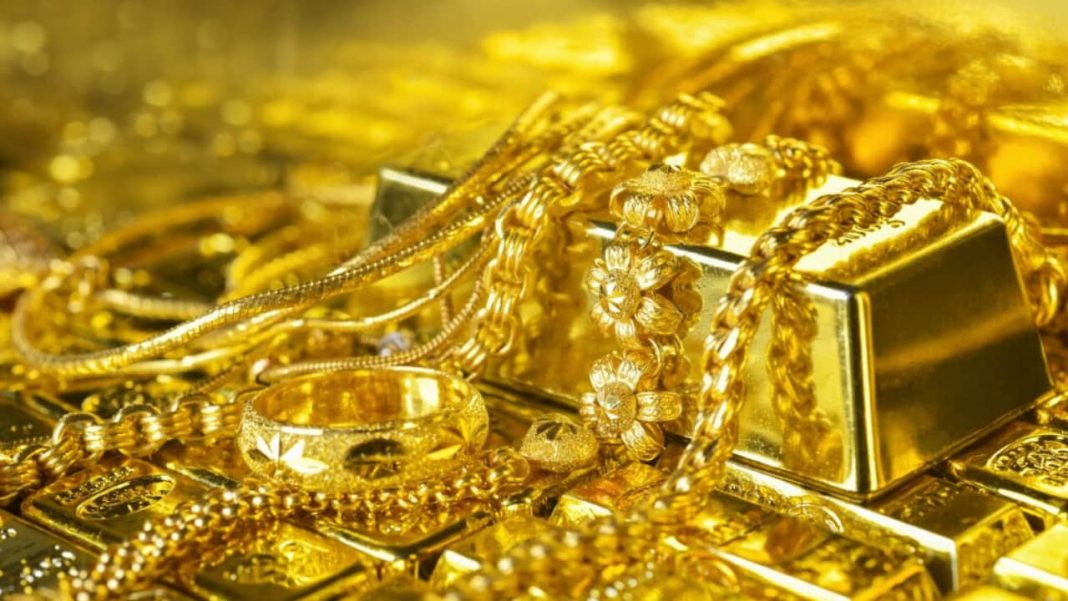
In India, gold is more than just a precious metal; it’s interwoven with our culture, traditions, and emotions. From auspicious weddings to festive celebrations like Diwali and Akshaya Tritiya, gifting and acquiring gold jewellery holds deep-rooted significance. For generations, it has been considered a symbol of wealth, security, and a wise investment passed down through families. However, a significant shift in perspective is emerging in the financial landscape. Leading institutions like Kotak are increasingly challenging this traditional view, suggesting that while gold itself remains a valuable asset, its manifestation as jewellery might be a suboptimal investment choice compared to its financial counterparts.
The Emotional Lure vs. Investment Reality of Jewellery
The allure of gold jewellery is undeniable. Its intricate designs, craftsmanship, and the tangible pleasure of owning a physical piece often overshadow a purely financial evaluation. For many Indian households, purchasing jewellery is seen as a dual benefit: adorning oneself and simultaneously building wealth. However, when viewed through a pragmatic investment lens, the drawbacks become apparent.
One of the primary concerns is the making charges (or wastage charges), which typically range from 8% to 25% of the gold’s value. This is a non-recoverable cost, meaning you pay significantly more than the intrinsic value of the gold. Furthermore, reselling jewellery often incurs further deductions. While hallmarking has improved transparency, issues of purity and the often-subjective valuation by jewellers at the time of resale can lead to a lower return than anticipated. Storage is another practical concern; physical jewellery demands secure storage, often leading to locker fees or insurance costs, and carries the inherent risk of theft.
Unlike other investments that might generate regular income (like dividends from stocks or interest from bonds), gold jewellery lies dormant. Its value appreciates only with the rise in gold prices, and its illiquid nature often means a quick sale at a fair price can be challenging. For genuine wealth creation and portfolio diversification, these factors position traditional gold jewellery as a less efficient asset.
Financial Gold: A Modern Investor’s Ally
Recognizing gold’s enduring value as a hedge against inflation and economic uncertainty, modern financial markets have developed sophisticated instruments that allow investors to own gold without the associated hassles and costs of physical jewellery. These forms of “financial gold” offer unparalleled advantages in terms of liquidity, purity, and cost-effectiveness.
Gold Exchange Traded Funds (ETFs) allow investors to buy and sell units representing a certain weight of gold on stock exchanges, much like shares. They are highly liquid, transparently priced, and come with minimal expense ratios. There are no making charges or storage risks. Similarly, Gold Mutual Funds invest in gold ETFs or companies involved in gold mining, offering a professionally managed route to gold exposure.
Perhaps the most compelling option for many Indian investors is the Sovereign Gold Bond (SGB) scheme, introduced by the Government of India. SGBs are denominated in grams of gold and offer a fixed interest rate (currently 2.5% per annum) on the initial investment, paid semi-annually. They are free from capital gains tax upon maturity (after 8 years) and carry no risk of theft or purity concerns. This unique combination of gold price appreciation and guaranteed interest income makes SGBs particularly attractive.
Commenting on this paradigm shift, a financial expert at Kotak recently remarked, “The emotional connection to gold jewellery is deeply ingrained, but from a purely investment standpoint, the hidden costs and illiquidity significantly erode its value. Instruments like Sovereign Gold Bonds or Gold ETFs offer a much more efficient and financially prudent way to participate in gold’s growth story, allowing investors to truly leverage gold as an asset class rather than just an adornment.”
Understanding the Shift: Why Now?
The increasing emphasis on financial gold reflects several evolving trends. A growing segment of the Indian population is becoming more financially literate, moving beyond traditional investment avenues and seeking optimal returns. The convenience and accessibility offered by digital platforms for buying and selling financial instruments have further democratized gold investing. Furthermore, the government’s push for formalizing investments and reducing physical gold demand (which impacts import bills) has made SGBs particularly appealing.
As India’s economy matures and its financial markets deepen, the distinction between gold as a cultural artifact and gold as a strategic investment asset is becoming clearer. While jewellery will always hold its place in our hearts and traditions, a judicious investor will increasingly look towards financial instruments to truly capitalize on gold’s potential for wealth preservation and growth.
In conclusion, while the glimmer of gold jewellery continues to captivate, smart investing in today’s dynamic world calls for a re-evaluation of its role in a financial portfolio. The wisdom of holding gold remains, but the medium has evolved. For those looking to secure and grow their wealth, financial gold options, endorsed by institutions like Kotak, undoubtedly shine brighter.

