


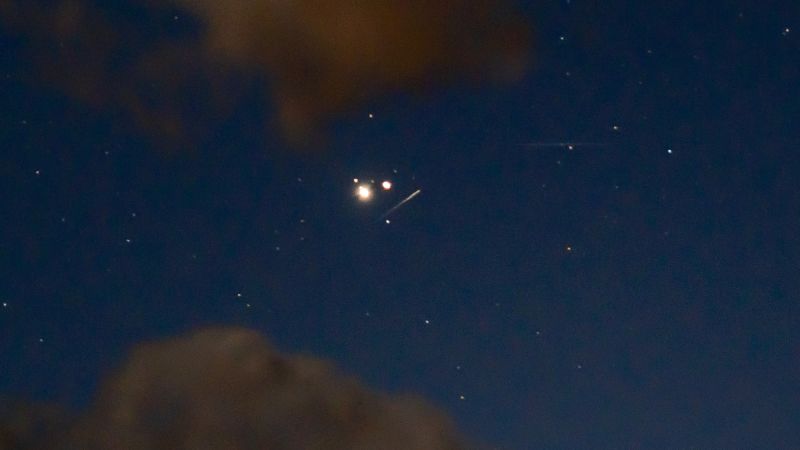
The night sky offers a perpetual ballet of celestial wonders, and among the most enchanting are meteor showers. While some displays grab headlines with dazzling numbers, others, like the upcoming Ursid meteor shower, offer a more subtle, yet deeply satisfying, experience. As stargazers prepare to turn their eyes northward, it’s time to understand what makes the Ursids special and how to make the most of their annual appearance.
Unpacking the Ursids: A Winter’s Gentle Spectacle
Unlike the Perseids or Geminids, which often pepper the sky with dozens of meteors per hour, the Ursids are known for their more modest, yet consistent, performance. Originating from dust trails left by Comet 8P/Tuttle, these meteors appear to radiate from the constellation Ursa Minor, home of the Little Dipper and Polaris, the North Star. This makes them a distinctively northern hemisphere event, offering a cozy winter spectacle.
Don’t let the lower Zenithal Hourly Rate (ZHR) deter you. What the Ursids lack in sheer volume, they often make up for in character. They tend to be slower-moving meteors, often appearing as subtle streaks rather than explosive fireballs. This unique rhythm contributes to their charm, inviting a more patient and contemplative viewing experience. “While the Ursids might not boast the sheer numbers of some other showers, their quiet consistency makes them a truly rewarding experience for dedicated stargazers,” notes Dr. Eleanor Vance, an astrophysicist and avid amateur astronomer, emphasizing the shower’s understated appeal.
Your Guide to Catching the Peak Show
Optimal Viewing Conditions
Maximizing your chances of seeing Ursid meteors hinges on a few crucial factors. First and foremost, seek out the darkest skies possible. Light pollution from cities and towns can wash out all but the brightest meteors. Head away from urban areas, to a rural park or wilderness area, if you can. The Moon’s phase is also a significant consideration; a bright Moon can severely hinder visibility, so check local lunar calendars for optimal dark sky periods around the peak. The best viewing hours are typically in the late night and pre-dawn hours, when the radiant is highest in the sky.
Preparation is Key
Given that the Ursids are a winter shower, comfort and warmth are paramount. Bundle up in layers, wear a warm hat, gloves, and insulated boots. A comfortable reclining chair or even a sleeping bag can make a long viewing session much more enjoyable. Allow your eyes at least 20-30 minutes to fully adjust to the dark; avoid looking at phone screens or bright flashlights during this time, as even a brief glance can reset your night vision. Instead of focusing on the radiant, scan the sky about 30 degrees away from Ursa Minor, as meteors often appear brighter and longer at this distance from their origin point. Patience is truly a virtue when meteor watching – the sky can be quiet for minutes, then surprise you with a beautiful streak.
A Moment of Celestial Reflection
Whether you catch a dozen meteors or just a few, the Ursid meteor shower offers a profound connection to the cosmos. It’s a reminder of Earth’s journey through space and the ancient dust trails that crisscross our solar system. Beyond the science, it’s an opportunity to pause, look up, and immerse yourself in the quiet majesty of the universe, offering a peaceful, memorable escape from the everyday hustle. So, find your spot, bundle up, and prepare to witness the gentle dance of the Ursids.

