


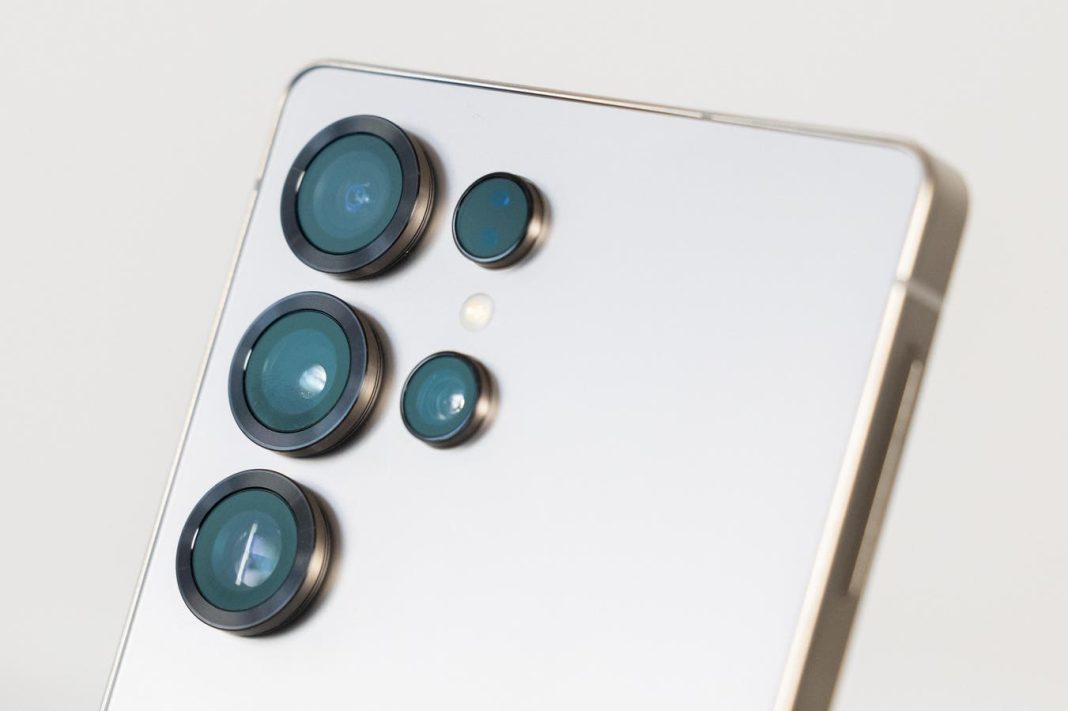
The rumour mill around Samsung’s upcoming Galaxy S26 series has begun to churn, and while anticipation for next-generation features typically excites consumers, a recent leak has cast a shadow of concern, particularly regarding battery performance. For potential buyers across India, where smartphone longevity is a crucial purchasing factor, the early indications suggest that the Galaxy S26 might not deliver the significant battery upgrade many were hoping for, potentially leaving users feeling underpowered.
The Disappointing Battery Capacity Leak
Recent reports surfacing from reputable leak sources suggest that the standard Samsung Galaxy S26 model may feature a battery capacity strikingly similar to its predecessors, the Galaxy S25 and even the S24. While specific mAh figures are still under wraps and subject to change, the prevailing sentiment is one of stagnation rather than progress. This news could be particularly disheartening for Indian consumers, many of whom rely heavily on their smartphones for extended periods throughout the day, whether for work, entertainment, or navigating public transport in bustling cities like Bengaluru or Delhi.
For years, users have voiced a consistent desire for improved battery life, often prioritising it over marginal gains in processing power or camera megapixels. A phone that can comfortably last a full day, or even beyond, without needing a mid-day top-up is a holy grail for many. If the Galaxy S26 indeed launches with a battery capacity that offers little to no advancement, it places a significant burden on other aspects of the phone’s design to compensate. This would be a crucial point of deliberation for prospective buyers contemplating an upgrade, especially in a market where rivals often boast larger battery cells as a key selling point.
Beyond mAh: The Role of Chipset Efficiency and Software Optimisation
While raw battery capacity (measured in mAh) is an important metric, it doesn’t tell the whole story. The overall battery experience is also heavily influenced by the efficiency of the internal chipset and the optimisation of the software. The Galaxy S26 is expected to house either the latest Qualcomm Snapdragon 8 Gen 4 or Samsung’s own Exynos 2500, depending on the region. Both chipsets are anticipated to bring significant power efficiency improvements over their predecessors, potentially offsetting a stagnant battery size to some extent.
Samsung’s One UI software also plays a vital role in power management, with features designed to extend battery life through adaptive power saving, background app restrictions, and efficient display management. However, even the most optimised software and efficient chipset can only do so much if the underlying battery cell remains unchanged. The challenge for Samsung will be to demonstrate that these advancements are enough to deliver a perceivable improvement in real-world usage, rather than just maintaining the status quo.
Regarding this delicate balance, Rohan Sharma, a Mumbai-based independent tech analyst, commented, “While leaks about battery size are concerning, it’s crucial to remember that modern smartphone endurance is a complex interplay of hardware and software. Samsung has a strong track record of optimising its devices. The real test for the S26 will be if these optimisations, coupled with the new chipset, can genuinely push daily usage beyond what its predecessors offered, especially given the high expectations of the Indian market for robust all-day performance.” His statement underscores the industry’s nuanced perspective, acknowledging both the immediate disappointment of the leak and the potential for underlying technological advancements to mitigate the impact.
Implications for the Indian Premium Smartphone Market
The Indian premium smartphone segment is highly competitive, with consumers increasingly discerning about value for money. Battery life consistently ranks high on the priority list for Indian buyers, often due to longer commutes, limited access to charging points throughout the day, and the prevalent culture of using smartphones as primary entertainment and productivity devices. If the Galaxy S26 series fails to deliver a compelling upgrade in battery longevity, it could present a significant hurdle for Samsung in maintaining its market share against aggressive competitors.
Brands like OnePlus, Xiaomi, and even Apple with its Pro Max series, often highlight superior battery endurance. For Samsung, a perceived weakness in this critical area could sway potential buyers towards alternatives, particularly those who are upgrading from older models and expecting a noticeable improvement across all key specifications. The company will need to articulate a strong narrative around the S26’s overall efficiency and user experience to counteract any negative perceptions stemming from these early battery leaks.
Ultimately, while these are still leaks and not official specifications, they serve as an early warning for Samsung and a point of consideration for prospective buyers. The expectation from a flagship device, especially one in the highly anticipated Galaxy S series, is continuous innovation. A stagnant battery capacity, even if mitigated by other technological advancements, could be a hard pill to swallow for many Indian consumers hoping for a truly next-gen experience. We await Samsung’s official unveiling to see how they address these critical concerns.

