


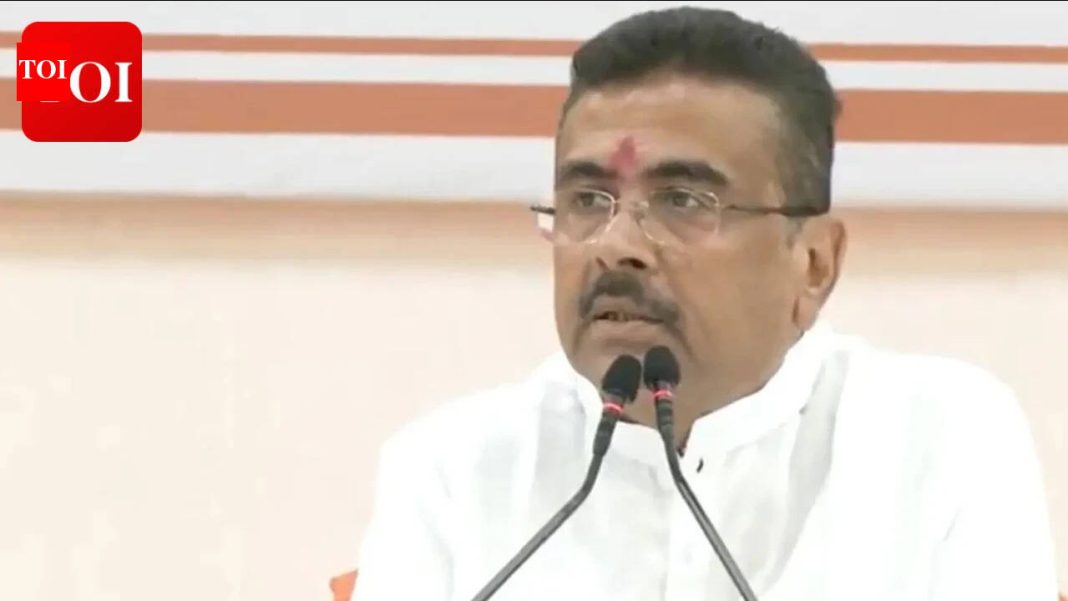
As the political spotlight firmly fixates on West Bengal today, the Bharatiya Janata Party (BJP) finds itself at a critical juncture: forming its full cabinet. This isn’t merely an administrative exercise but a deeply strategic one, fraught with the complexities of balancing veteran leadership against burgeoning new talent, and meticulously addressing the diverse regional and demographic aspirations of the state. The choices made in today’s cabinet announcement are poised to define the BJP’s trajectory in West Bengal, reflecting its commitment to inclusivity while simultaneously crafting a robust governance framework.
The Delicate Balance: Old Guard Meets New Blood
One of the most significant challenges facing the BJP leadership is the intricate task of accommodating its seasoned campaigners and long-standing loyalists alongside an influx of relatively new faces and dynamic younger leaders. The “old guard” comprises individuals who have dedicated years, often decades, to building the party’s presence in West Bengal, enduring political isolation and often facing significant electoral hurdles. Their experience, institutional memory, and unwavering commitment are invaluable.
However, the party has also seen a rise of energetic, often younger, leaders who have brought fresh perspectives and, in many cases, a new voter base. Furthermore, the political landscape in Bengal has witnessed shifts, with prominent figures from other parties aligning with the BJP, bringing with them a different kind of political capital and public recognition. Integrating these diverse elements into a cohesive cabinet requires astute political craftsmanship. Over-reliance on veterans might be perceived as a lack of dynamism, while an excessive tilt towards newcomers could alienate those who have tilled the ground for years. The goal is to create a blend that offers both administrative gravitas and a forward-looking vision, ensuring that both loyalty and fresh appeal are duly recognised and rewarded.
Regional Representation and Caste Dynamics: A Diverse Mosaic
West Bengal is a state of immense geographical and socio-cultural diversity, and a cabinet that fails to reflect this risks alienating significant sections of the electorate. The BJP’s strategy in Bengal has historically involved expanding its base beyond traditional urban strongholds and caste groups, reaching into areas like North Bengal, Junglemahal, and the Sunderbans, and appealing to various Scheduled Caste (SC), Scheduled Tribe (ST), and Other Backward Class (OBC) communities. The cabinet formation must meticulously consider this diverse mosaic.
North Bengal, with its distinct cultural identity and often voiced grievances of neglect by successive state governments headquartered in Kolkata, demands robust representation. Similarly, the tribal-dominated regions of Junglemahal, where the BJP has made significant inroads, require ministerial berths that address their specific developmental needs and aspirations. Southern Bengal, including districts like Purulia, Bankura, and Paschim Medinipur, also plays a crucial role. Beyond geography, the caste arithmetic is equally vital. The BJP has actively sought to consolidate support among various Dalit and tribal communities, and their adequate representation in the cabinet will be a clear signal of the party’s commitment to these groups. “This cabinet will be a litmus test for the BJP’s long-term strategy in Bengal,” observed Dr. Arindam Saha, a Kolkata-based political analyst. “It needs to send a message of inclusive governance that resonates from Siliguri to Sagar Island, addressing both regional pride and socio-economic equity.”
Shaping Future Electoral Landscapes
The cabinet announced today is not just about efficient administration for the current term; it is an instrumental building block for the BJP’s future electoral ambitions in West Bengal. Each ministerial appointment carries a strategic weight, aimed at solidifying the party’s gains, expanding its influence into new territories, and preparing the ground for upcoming local body elections, and crucially, the next Lok Sabha and Assembly elections. Portfolios will likely be allocated not just based on merit, but also with an eye on the political heft and regional influence of the individual ministers.
A well-balanced, representative, and high-performing cabinet can significantly enhance the party’s image as a credible alternative for governance, while also empowering regional leaders who can then serve as critical conduits between the state government and the grassroots. The performance of these ministers in their respective departments and constituencies will directly impact public perception of the BJP’s capabilities and commitment to the welfare of West Bengal. The careful selection process underscores the party’s intent to build a formidable and sustainable political infrastructure in a state where it was once a marginal player.
In conclusion, today’s cabinet formation in West Bengal represents a pivotal moment for the BJP. The party’s ability to seamlessly integrate experience with fresh perspectives, ensure comprehensive regional and community representation, and lay a strong foundation for future political success will be under intense scrutiny. The decisions unveiled today will not only shape the governance of West Bengal but also significantly influence the BJP’s narrative and its political destiny in this crucial eastern state.

