


The turn of a page in an old newspaper archive often reveals not just events, but a snapshot of a nation’s challenges and ingenuity. December 4, 1975, presents one such window into India’s persistent struggle against malaria, a disease that has historically plagued the subcontinent. On this day, reports highlighted an innovative, biologically-driven approach gaining traction across various states: the strategic deployment of a small, unassuming fish as a frontline warrior against the mosquito menace. This initiative marked a significant shift in public health strategy, moving beyond solely chemical solutions to embrace ecological partnerships in disease control.
India’s Malaria Battleground in 1975
In the mid-1970s, India was grappling with a resurgence of malaria. Following successful eradication efforts in the 1950s and 60s, largely dependent on widespread DDT spraying, the disease began to stage a worrying comeback. Mosquitoes developed resistance to insecticides, funding for control programmes fluctuated, and administrative challenges often hampered comprehensive coverage. Rural areas, with their abundant stagnant water bodies and limited access to healthcare, were particularly vulnerable. The increasing incidence rates necessitated a re-evaluation of strategies, prompting public health officials to look for sustainable, cost-effective, and environmentally friendlier alternatives to chemical warfare.
The call was for solutions that could integrate into the local ecosystem, require minimal external input, and offer a long-term defense. It was in this context that the humble larvivorous fish entered the spotlight, promising a natural weapon against the malaria vector.
The Aquatic Warriors: Gambusia and Guppies
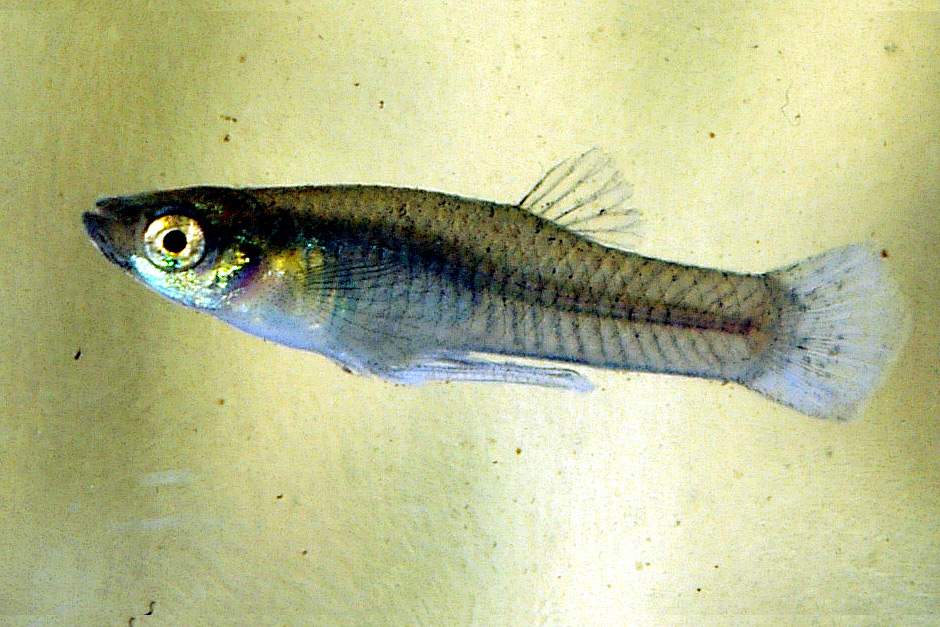
The chosen champions in this biological war were primarily Gambusia affinis, commonly known as the mosquito fish, and in some regions, the resilient guppy (Poecilia reticulata). These small, hardy fish possess a remarkable appetite for mosquito larvae and pupae, thriving in the very water bodies where mosquitoes breed – ponds, ditches, paddy fields, and even domestic water containers. The principle was simple yet profound: by introducing these fish into mosquito breeding sites, the life cycle of the vector could be disrupted naturally, significantly reducing the adult mosquito population and, consequently, the transmission of malaria.
The effectiveness of larvivorous fish lies in their voracious feeding habits and rapid reproduction rates. They are particularly efficient in consuming larvae found near the surface of the water, precisely where mosquito larvae typically dwell. This method offered several distinct advantages: it was a sustainable solution, reducing reliance on expensive and potentially harmful chemical insecticides; it bypassed the problem of insecticide resistance; and it empowered local communities to participate directly in their own public health initiatives by managing these fish populations. State health departments, often in collaboration with local bodies, undertook extensive programmes to breed and distribute these fish to affected areas.
“The introduction of larvivorous fish represented a crucial pivot in our battle against malaria, demonstrating a powerful, natural alternative to widespread chemical use that engaged communities directly,” reflects Dr. Priya Sharma, a public health historian. “It was a testament to looking beyond quick fixes towards ecological balance in disease management.”
Beyond 1975: Legacy and Evolution
While the enthusiasm for larvivorous fish in 1975 was palpable, their deployment was not without challenges. Their efficacy varied depending on the specific environmental conditions of the water bodies, and in certain large or fast-flowing aquatic systems, their impact was limited. There were also concerns, though debated, about the ecological impact of introducing non-native species like Gambusia into local ecosystems. Despite these nuances, the initiative undeniably laid critical groundwork for a more integrated approach to vector control.
Today, the fight against malaria continues, employing a sophisticated arsenal of strategies known as Integrated Vector Management (IVM). This modern approach combines several methods, including targeted insecticide spraying, distribution of insecticide-treated bed nets, prompt diagnosis and treatment, environmental management (like source reduction), and crucially, biological control methods such as the use of larvivorous fish. The lessons from 1975 highlighted the value of diverse strategies and the importance of adapting public health interventions to local ecological and social contexts. The small fish of December 1975 may not have eradicated malaria on its own, but it certainly cast a long shadow, reminding us that sometimes, the most effective solutions are found not in laboratories, but within nature itself.

