


The relationship between India and Bangladesh, often hailed as a model of neighbourly cooperation, appears to be navigating increasingly turbulent waters. Once characterized by shared history, cultural ties, and robust diplomatic engagement, the bond has shown visible signs of strain in recent times. From diplomatic frictions over internal policies to widespread protests in Bangladesh and perceived hurdles in cross-border movement, a nuanced understanding of these developments is crucial. This article delves into the factors contributing to the souring sentiment, exploring how a historically strong alliance faces growing challenges.
Shifting Sands: From Visa Hurdles to Diplomatic Unease
A significant point of contention emerged from India’s domestic policy decisions, particularly the Citizenship Amendment Act (CAA) and the proposed National Register of Citizens (NRC). While India maintains these are internal matters, their implications have resonated deeply across the border. In Bangladesh, there’s a prevailing fear that a large-scale identification and potential deportation process in India could lead to an influx of stateless people, placing immense pressure on its already strained resources. This concern has fueled a narrative of mistrust and anxiety.
Adding to this diplomatic friction are reports of difficulties and delays in visa processing for Bangladeshi nationals, interpreted by many as a subtle hardening of stance. While an outright, official suspension of all visas has not occurred universally, the increased scrutiny, perceived bureaucratic hurdles, and the broader climate of suspicion have created a deterrent effect, hindering educational, medical, and trade-related travel. This has led to frustration among ordinary citizens and businesses alike. Simultaneously, high-profile visits and dialogues, once a staple of the bilateral relationship, have sometimes been postponed or scaled back, signaling a palpable dip in diplomatic warmth. Bangladeshi officials have, at various levels, expressed their concerns regarding the CAA and NRC, emphasizing the need for India to ensure that its internal policies do not adversely affect its neighbours.
Economic Strains and Public Protests
Beyond policy debates, economic disparities and historical grievances continue to simmer, impacting public sentiment. Despite India being a major trading partner, concerns persist in Bangladesh regarding trade imbalances and non-tariff barriers that allegedly hinder Bangladeshi exports. More critically, long-standing disputes over transboundary rivers, most notably the Teesta River, remain unresolved. The lack of a comprehensive water-sharing agreement has caused significant economic hardship for farmers in Bangladesh’s northern regions, frequently becoming a rallying point for anti-India sentiment.
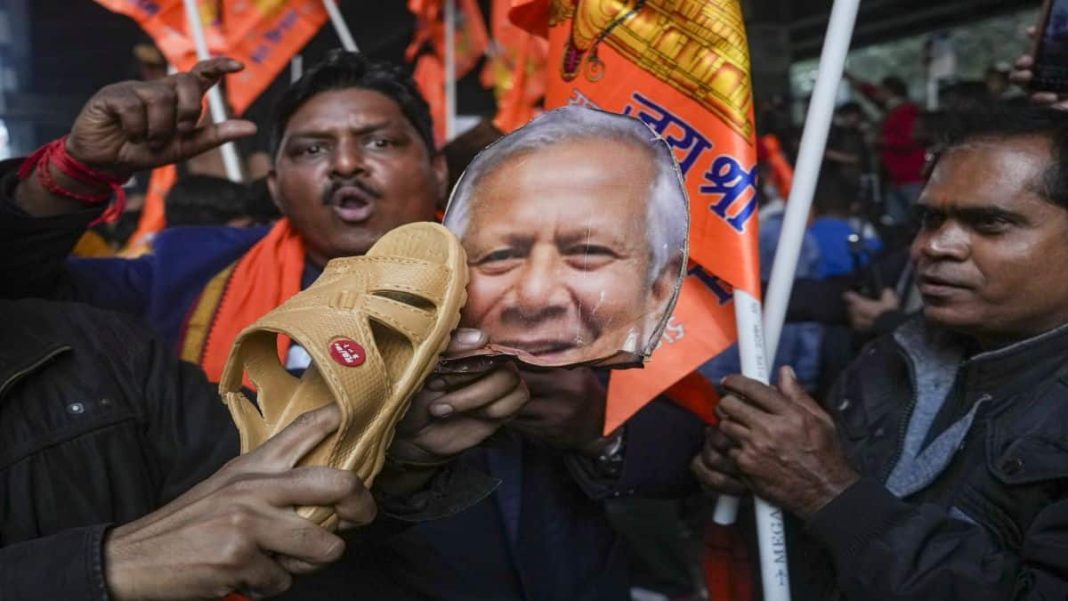
These grievances have found expression in widespread public protests across Bangladesh. From Dhaka to smaller towns, groups ranging from student bodies to Islamist organizations have taken to the streets, protesting against India’s policies, perceived border killings by Indian security forces, and what they often characterize as Indian hegemony. These demonstrations, though sometimes sporadic, reflect a growing undercurrent of popular discontent that Bangladeshi governments cannot afford to ignore. The rise of anti-India narratives within the Bangladeshi political discourse, especially from opposition parties, further complicates Dhaka’s ability to maintain a consistently cordial stance with New Delhi. As one foreign policy analyst noted, “The domestic political compulsions in both nations are increasingly spilling over into bilateral relations, creating a complex web of challenges that demand nuanced and careful diplomacy.”
Navigating the Path Ahead
The challenges facing the India-Bangladesh relationship are multi-faceted, stemming from a confluence of domestic political calculations, economic grievances, and evolving public perceptions. For India, maintaining its ‘Neighbourhood First’ policy requires a delicate balancing act, ensuring that its internal legislative actions do not inadvertently alienate crucial regional allies. For Bangladesh, while exploring diversified partnerships, India remains an indispensable neighbour for connectivity, trade, and regional stability. The strategic implications of a weakened India-Bangladesh axis are significant, potentially creating space for other regional powers and undermining the collective security framework of South Asia.
Both nations share an undeniable destiny shaped by geography and history. Rebuilding trust and addressing the current strains will necessitate transparent dialogue, a renewed commitment to resolving long-pending issues like water sharing, and a greater understanding of each other’s domestic compulsions. The journey from shared liberation to deepening ties has been long; ensuring that journey continues positively demands proactive and empathetic diplomacy from both sides.
*

