


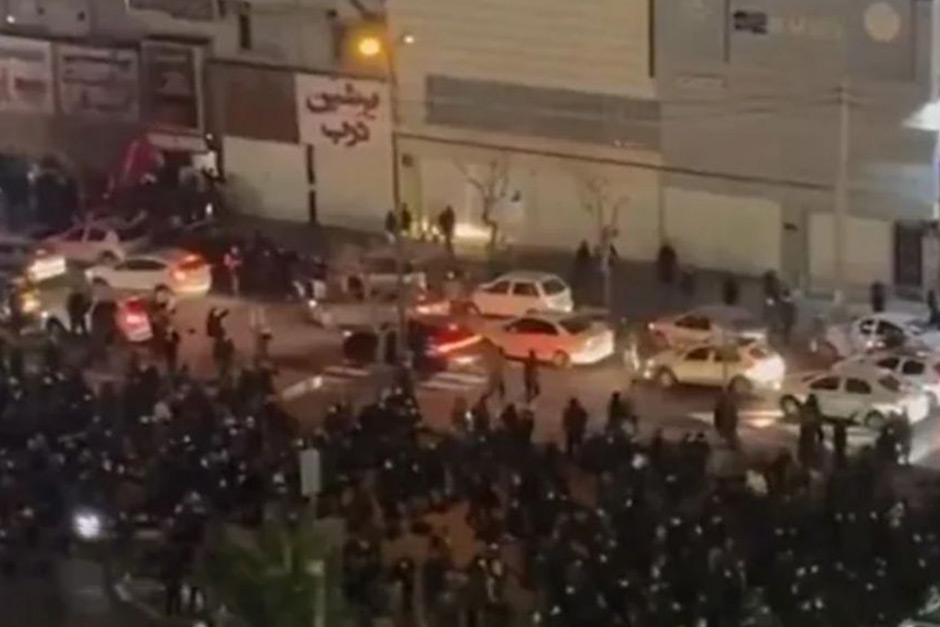
Viral footage depicting fierce clashes between protestors and security forces has brought the escalating unrest in Iran into sharp global focus. What began as an outpouring of grief and anger over the death of Mahsa Amini has rapidly spread beyond Kurdistan, engulfing numerous cities and towns across the Islamic Republic. The raw, unfiltered clips circulating despite severe internet restrictions paint a grim picture of a nation gripped by deepening social and political turmoil, prompting serious human rights concerns worldwide, including among observers in India.
The Spark That Ignited a Nation
The protests were ignited following the death of 22-year-old Mahsa Amini on September 16. Amini had been detained three days prior by Iran’s “morality police” (Gasht-e Ershad) for allegedly violating the country’s strict dress code, which mandates women wear the hijab in public. While authorities claim she died of a heart attack, her family and many activists allege she was beaten in custody. Her death served as a powerful catalyst, tapping into a reservoir of long-standing grievances against the ruling establishment, economic hardship, and restrictions on personal freedoms.
Initially, demonstrations erupted in Amini’s home province of Kurdistan, known for its significant Kurdish minority and history of dissent. However, the movement quickly gained momentum, spreading to the capital Tehran, Mashhad, Isfahan, Tabriz, and dozens of other cities. Women have been at the forefront, courageously removing and even burning their headscarves in public, a direct defiance of the state’s most visible symbol of social control. They have been joined by men, students, and various segments of society, transforming the initial outcry into a broader anti-government movement demanding fundamental change. The chant of “Woman, Life, Freedom” has become a rallying cry, resonating across the nation and captivating international attention.
Escalating Confrontation and International Outcry
The spread of protests has been met with a forceful and often brutal response from Iranian authorities. Footage disseminated through social media, often smuggled out by activists, shows security forces—including riot police, Basij militia, and plainclothes agents—clashing violently with demonstrators. Reports suggest the use of tear gas, batons, and even live ammunition in some instances, leading to a growing number of casualties. Human rights organisations estimate dozens have been killed and hundreds injured or arrested since the protests began. The government, in turn, has labelled the protests as “riots” instigated by foreign enemies, a common narrative used to delegitimise dissent.
A significant tactic employed by the regime has been the severe disruption and complete shutdown of internet services, particularly mobile data and access to platforms like Instagram and WhatsApp. This “information blackout” aims to curb the organisation of protests, prevent the sharing of evidence of state violence, and control the narrative. Despite these efforts, images and videos continue to leak out, highlighting the determination of protestors and the severity of the crackdown.
The international community has largely condemned the Iranian government’s actions. The United Nations, European Union, and several countries, including the United States, have called for an end to the violence and expressed serious concerns about human rights violations. “The chilling images and reports coming out of Iran underscore a deeply troubling disregard for fundamental human rights, particularly the right to peaceful protest and freedom of expression,” commented a spokesperson for a leading international human rights observer. “The world is watching, and accountability must be sought for those responsible for the violence.” For India, a nation with historical ties to Iran and a significant energy interest, the stability of the region is paramount. While India generally maintains a policy of non-interference in the internal affairs of other nations, the situation in Iran is undoubtedly being closely monitored for its wider geopolitical and economic implications.
An Uncertain Future for Iran
As the protests continue to ripple across Iran, the future remains highly uncertain. The government shows no signs of relenting on its hardline stance, while the protestors, emboldened by their numbers and the global spotlight, appear unwilling to back down. The economic challenges facing Iran, compounded by international sanctions, only add to the popular discontent, making this wave of protests particularly potent.
The ongoing violence and the government’s suppressive measures risk further isolating Iran on the global stage. For the millions of Iranians seeking greater freedoms and dignity, these protests represent a critical moment. The world watches anxiously, hoping for a resolution that respects the rights and aspirations of the Iranian people, while acknowledging the complex internal and regional dynamics at play. The full impact of these events, both domestically and internationally, is yet to unfold.

