


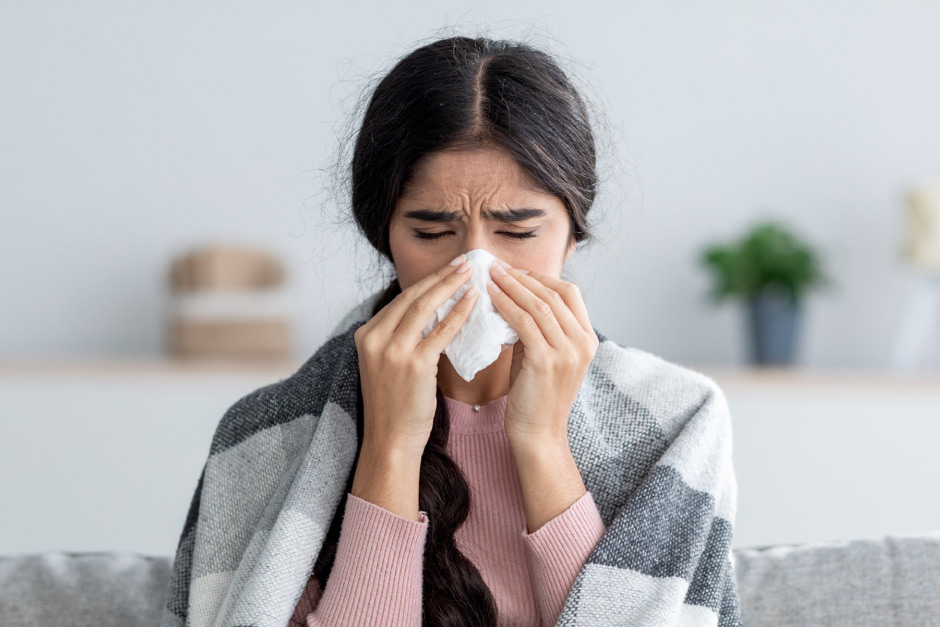
The annual flu season often brings with it new challenges, and this year is no exception. Reports indicate a noticeable rise in flu cases across various regions, with a particular focus on a variant dubbed “Super K” that appears to be circulating widely. For many, this news prompts questions about what exactly is happening and how to best navigate the current health landscape. Understanding the dynamics of emerging flu strains and reinforcing established health practices are key to staying informed and well. Let’s delve into what we understand about the current situation.
Understanding the “Super K” Variant
While the term “Super K” might sound imposing, it refers to a recently identified strain of the influenza virus contributing to the current increase in flu activity. Flu viruses are known for their ability to mutate and evolve, leading to new variants emerging each season. “Super K” is another example of this natural phenomenon, possessing unique characteristics that allow it to spread effectively within the population.
Early observations suggest that the “Super K” variant is highly transmissible, meaning it can move from person to person relatively quickly. The symptoms associated with this variant typically align with general flu symptoms: fever, body aches, fatigue, cough, sore throat, and headaches. Individuals might experience variations in symptom severity or duration depending on their overall health, age, and existing immunity. It’s important to remember that while a new variant, it still falls under the umbrella of influenza, and its behavior is being continuously monitored by health authorities.
Essential Precautions and Health Practices
In response to increased flu activity, including the spread of “Super K,” reinforcing fundamental public health practices becomes especially important. Simple yet effective measures can significantly reduce the risk of transmission and protect both individuals and communities. Regularly washing hands with soap and water for at least 20 seconds, especially after coughing, sneezing, or being in public spaces, remains a cornerstone of flu prevention. If soap and water are not available, an alcohol-based hand sanitizer with at least 60% alcohol can be used.
Avoiding touching your face – particularly your eyes, nose, and mouth – also helps prevent the transfer of viruses from contaminated surfaces to your respiratory system. Furthermore, practicing respiratory etiquette is crucial: cover coughs and sneezes with a tissue or your elbow, rather than your hands, and dispose of used tissues immediately. “Being proactive with our health is always the best strategy, especially when new variants are circulating,” notes Dr. Anya Sharma, a public health specialist. “Simple steps like staying home when sick and good hand hygiene are incredibly powerful tools we all possess.“
If you are feeling unwell, the most responsible action is to stay home from work, school, or social gatherings. This not only aids your recovery but also prevents further spread of the virus to others. Staying hydrated and getting adequate rest are vital for supporting your immune system. If symptoms worsen, or if you belong to a high-risk group (such as the elderly, very young children, pregnant individuals, or those with chronic health conditions), consulting a healthcare professional promptly is advisable. Seek immediate medical attention for severe symptoms like difficulty breathing, persistent chest pain, sudden dizziness, or severe weakness.
Staying Informed and Vigilant
While the rise in flu cases and the presence of the “Super K” variant highlight the dynamic nature of seasonal illnesses, it’s important to approach the situation with informed awareness rather than alarm. The principles of good health and hygiene continue to be our strongest defenses. By understanding the current landscape and consistently applying established preventive measures, we can all contribute to a healthier environment for ourselves and those around us. Stay vigilant, stay informed through reliable sources, and prioritize your well-being.

