


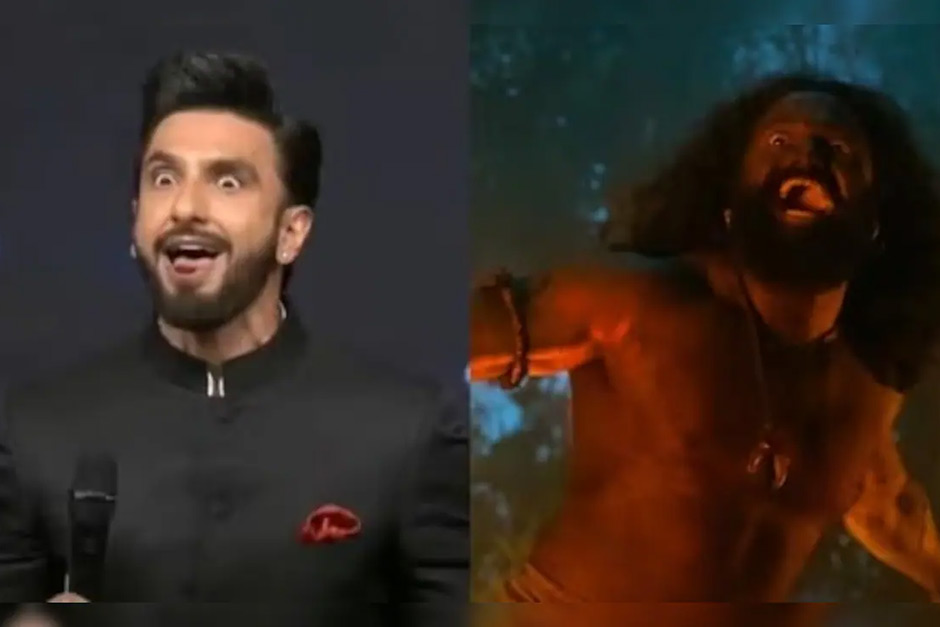
A recent controversy involving Bollywood actor Ranveer Singh has once again highlighted the delicate balance between artistic expression, humour, and cultural sensitivity in India. An First Information Report (FIR) has been filed against Singh in Bengaluru, following allegations that he disrespected a sacred cultural practice through mimicry, specifically referring to Chavundi Daiva as a ‘female ghost’ during an event. The complaint stems from an alleged mimicry of the iconic Daiva Aradhane (Bhoota Kola) sequence from the blockbuster Kannada film Kantara.
The Incident: Mimicry Ignites Cultural Debate
The core of the controversy lies in an appearance made by Ranveer Singh, where he reportedly mimicked the powerful and revered Daiva Aradhane ritual, as depicted in the critically acclaimed film Kantara. The film, lauded for its authentic portrayal of the Tulu Nadu region’s rich cultural and spiritual heritage, brought the ancient practice of Bhoota Kola, or Daiva Aradhane, into the national spotlight. These rituals are not merely performances but deep-seated religious ceremonies where devotees believe a deity or spirit possesses the performer, acting as a divine intermediary.
The specific point of contention arises from Singh’s alleged remark categorizing Chavundi Daiva as a ‘female ghost’. For followers of Daiva Aradhane, the Daivas are revered deities, not mere ghosts or spirits in the colloquial sense. Chavundi Daiva is one such powerful deity, an incarnation revered and worshipped with immense faith and devotion in coastal Karnataka. Reducing such a figure to a ‘female ghost’ is seen by many as a profound act of disrespect, undermining centuries of tradition and faith.
The incident quickly garnered attention on social media, with clips of the alleged mimicry circulating widely. This sparked outrage among various cultural and religious groups, particularly in Karnataka, who felt that their sacred beliefs were being trivialized and misrepresented for entertainment. The powerful impact of Kantara had recently brought a greater understanding and appreciation of Daiva Aradhane to a wider audience, making this alleged act of mimicry even more jarring for many.
The FIR and Community Concerns
In response to the widespread sentiment of hurt and disrespect, a social organisation, identified as Jai Bhargava Samaja, took the step of filing an FIR against Ranveer Singh. The complaint was lodged at a Bengaluru police station, citing sections of the Indian Penal Code (IPC) related to hurting religious sentiments. The complainants asserted that Singh’s actions were not only culturally insensitive but also an insult to the religious beliefs and practices of the Daiva Aradhane devotees.
The filing of the FIR underscores the deep reverence with which these cultural and religious practices are held. For many, Daiva Aradhane is an integral part of their identity and spiritual life. To see it parodied, especially by a public figure of Ranveer Singh’s stature, evoked strong reactions. Community leaders and cultural observers have vocalized their concerns, emphasizing the need for greater awareness and respect when interacting with diverse cultural traditions.
A representative from Jai Bhargava Samaja reportedly stated,
“The Daiva Aradhane is a sacred ritual, not a subject for mockery. Calling Chavundi Daiva a ‘female ghost’ demonstrates a severe lack of understanding and respect for our traditions. We hope this FIR sends a clear message about the importance of cultural sensitivity.”
This sentiment reflects a broader call for celebrities and media personalities to exercise caution and diligence when addressing religious or traditional customs, especially those unfamiliar to a wider mainstream audience.
Conclusion: The Path Forward
The FIR against Ranveer Singh over the Kantara Daiva mimicry incident serves as a significant reminder of the cultural sensitivities prevalent in India. While humour and parody are often part of artistic expression, the line between entertainment and disrespect can be thin, particularly when deeply held religious beliefs and cultural practices are involved. The incident highlights the growing demand from various communities for respectful representation and an understanding of their heritage.
As the legal process unfolds, this event is likely to fuel further discussions about the responsibilities of public figures, the interpretation of religious symbols in popular culture, and the importance of cross-cultural understanding. For TrendLyric.com readers, it underscores the need for vigilance and awareness in navigating India’s rich, diverse, and often sensitive cultural landscape, fostering a dialogue that promotes mutual respect above all.

