


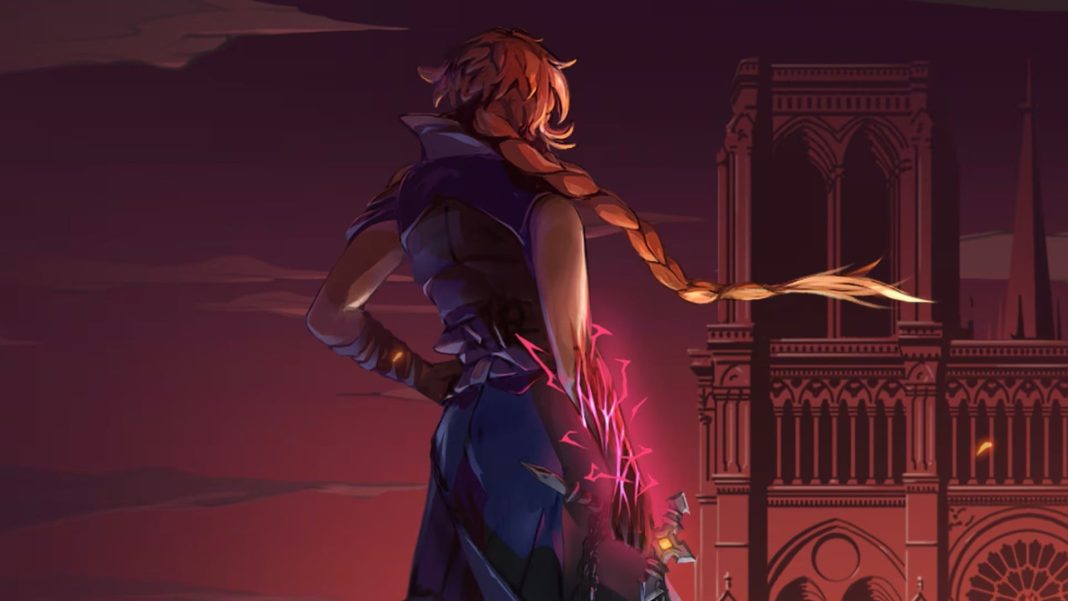
There’s a tremor in the gaming world, a distinct chill of gothic grandeur mixed with an unexpected historical twist. The internet is abuzz, and for good reason: a new trailer for what’s being dubbed Castlevania: Belmont’s Curse has dropped, and it’s unlike anything we’ve seen from the legendary vampire-hunting franchise before. Forget just another castle; this time, we’re reportedly fighting none other than Joan of Arc and exploring the hallowed, yet now cursed, halls of Notre Dame.
It’s a bold move, a seismic shift that has both ardent fans and curious newcomers leaning in. Castlevania has always been synonymous with intricate castles, grotesque monsters, and the eternal struggle against Dracula. But injecting real-world historical figures and iconic landmarks into its dark fantasy tapestry? That’s a gamble, and we’re here to unpack just how revolutionary – and potentially risky – this could be.
The Puzzling Paladin: Joan of Arc as an Antagonist?
The very notion of confronting Joan of Arc, the Maid of Orléans, in a Castlevania title sparks immediate intrigue and a fair bit of head-scratching. Historically revered, a symbol of faith and defiance, her inclusion as a potential boss or significant character in the Belmont saga is, to say the least, unconventional. Castlevania usually pits its heroes against Dracula’s minions, forgotten gods, or powerful dark sorcerers – not historical saints.
The Appeal: On one hand, this offers an unparalleled opportunity for narrative depth. Imagine a corrupted Joan, perhaps a victim of Dracula’s influence, or a divine champion twisted by a curse beyond her control. Her angelic imagery, combined with Castlevania’s gothic horror, could forge a truly memorable and tragic foe. Her unique skill set – potentially involving divine light, tactical prowess, or even spectral legions – would undoubtedly provide a fresh and challenging boss encounter, moving beyond the usual vampire or demon archetypes. It could ground the typically fantastical series in a more relatable, albeit distorted, historical context, adding a layer of gravitas.
The Challenge: The primary concern revolves around respecting historical and cultural sensitivities. How does Konami (or the studio behind it) justify turning such a revered figure into an adversary without alienating players or trivializing her historical significance? Is she a clone? A demon in disguise? A corrupted spirit? “I’m thrilled to see Castlevania trying something so bold,” remarked a long-time Castlevania fan on a popular gaming forum, “but part of me wonders how they’ll weave Joan of Arc into the fabric of Dracula’s world without it feeling… out of place, or worse, disrespectful.” The execution will be paramount here; a misstep could turn an ambitious idea into a controversial one.
Notre Dame Under a Shadow: An Iconic Setting Reimagined
From the claustrophobic catacombs of Dracula’s Castle to the sprawling libraries, Castlevania levels are renowned for their atmospheric design. Now, picture the architectural majesty of Notre Dame Cathedral, its soaring spires and intricate gargoyles, given the full Castlevania treatment. This isn’t just another gothic church; it’s the Notre Dame.
The Visual Spectacle: The potential here is breathtaking. Imagining the iconic rose windows shattered, moonlight streaming through gaping holes, the sound of a whip echoing off ancient, cursed stone. Notre Dame provides a rich, complex environment perfect for exploration, platforming challenges, and epic boss battles. Its multi-tiered structure, bell towers, and crypts offer a diverse array of spaces to navigate, each ripe for monstrous encounters and hidden secrets. The contrast between its historical beauty and the creeping dread of the Belmont’s Curse could be visually stunning, creating a deeply immersive atmosphere that feels both familiar and terrifyingly new.
The Narrative Fit: While the visual appeal is undeniable, the narrative integration of Notre Dame into the Castlevania lore is crucial. Is it merely a stage, or does it play a deeper role in the “Belmont’s Curse”? Perhaps it’s a stronghold of faith attempting to resist the encroaching darkness, or a place where a powerful artifact is hidden. The success of its inclusion hinges on making it more than just a pretty backdrop, but an integral part of the unfolding mystery and horror.
A New Dawn or a Risky Deviation?
The Belmont’s Curse trailer certainly signals a willingness to push the boundaries of the Castlevania formula. Introducing historical figures and real-world landmarks injects a fresh dose of intrigue, potentially opening up new avenues for storytelling and gameplay. This could be a pivotal moment, allowing the series to evolve beyond its established tropes while retaining the core elements that make it beloved.
However, the tightrope walk between innovation and tradition is delicate. The developers must meticulously craft a narrative that seamlessly integrates these new elements without sacrificing the distinctive gothic horror and monster-slaying identity that defines Castlevania. If executed with care and respect for both the franchise and the historical figures it chooses to depict, Belmont’s Curse could usher in an exciting new era. If not, it risks alienating the very audience it aims to thrill. One thing is certain: all eyes will be on this game to see if it can successfully wield the whip of innovation while honoring the legacy it carries.

