


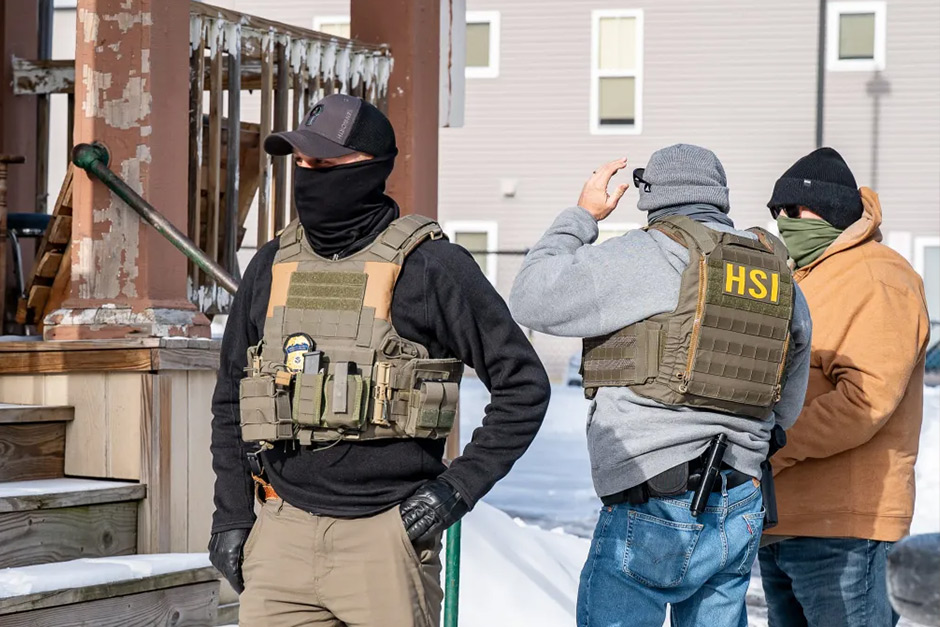
Maine, a state often synonymous with rugged beauty and quiet coastal towns, is now finding itself at the forefront of a shifting federal enforcement landscape. Recent operations by immigration officials have led to arrests across the state, sending ripples of concern through communities accustomed to a different kind of tranquility. This isn’t just a policy announcement; it’s a profound shift impacting real people and the fabric of local life.
A Quiet Corner Awakens
For many, Maine has long been perceived as a sanctuary, far removed from the more intense immigration enforcement seen in border states or larger metropolitan areas. Its charm lies in its remoteness, its close-knit communities, and a pace of life that often feels disconnected from national headlines. That perception has been sharply challenged. The presence of federal immigration agents conducting operations and making arrests has introduced an unfamiliar tension.
These actions aren’t just isolated incidents; they signify a broader expansion of enforcement efforts into new geographies. Whether targeting specific individuals or engaging in more widespread sweeps, the impact is immediately felt. Suddenly, the routine of daily life—going to work, picking up groceries, attending community gatherings—is imbued with a new layer of apprehension for some residents. This shift forces a stark reevaluation of what it means to live in a place where federal policy directly intersects with personal security and community harmony.
The Ripple Effect: Beyond the Headlines
When federal operations begin in a previously unaccustomed region, the effects are rarely contained to the individuals directly involved. Families are fractured, with parents or primary earners suddenly removed, leaving children and spouses in precarious situations. Local economies, particularly those reliant on immigrant labor in sectors like agriculture, fishing, or hospitality, face potential disruption. The fear, too, can spread like wildfire, affecting even documented residents who worry about mistaken identity or the increased scrutiny on their neighborhoods.
Community trust, a vital component of any healthy society, can also erode. Local law enforcement agencies, often tasked with balancing federal mandates with their role as community protectors, find themselves navigating complex dilemmas. “It feels like our community has been put on edge overnight,” shared Emily Carter, a local small business owner in a coastal town. “People are afraid to go to work, to drop their kids off at school. The ripple effect on our local economy and our sense of togetherness is already profound.” This sentiment reflects a deeper concern about the social costs of enforcement, beyond the legal specifics.
Looking Ahead: A New Landscape?
The operations in Maine prompt critical questions about the future of immigration enforcement across the country. Is this an isolated initiative, or does it signal a broader strategy to extend federal reach into every corner of the nation, irrespective of a state’s traditional immigration patterns? The answer holds significant implications for other states that have, until now, operated with a similar sense of distance from these federal priorities.
For Maine, this marks a new chapter. It’s a moment that will undoubtedly spur increased dialogue, advocacy, and potentially, new local policies as communities grapple with how best to respond. The tension between federal authority, local values, and the human imperative to live in dignity will continue to play out, shaping the social and political landscape of the state for years to come. These operations are not merely procedural; they are carving new realities for countless individuals and communities.
The quiet beauty of Maine has been stirred by a federal presence that brings complex questions to its doorstep. As these operations unfold, the human element—the stories of individuals, families, and communities—remains at the heart of an evolving national conversation.

