


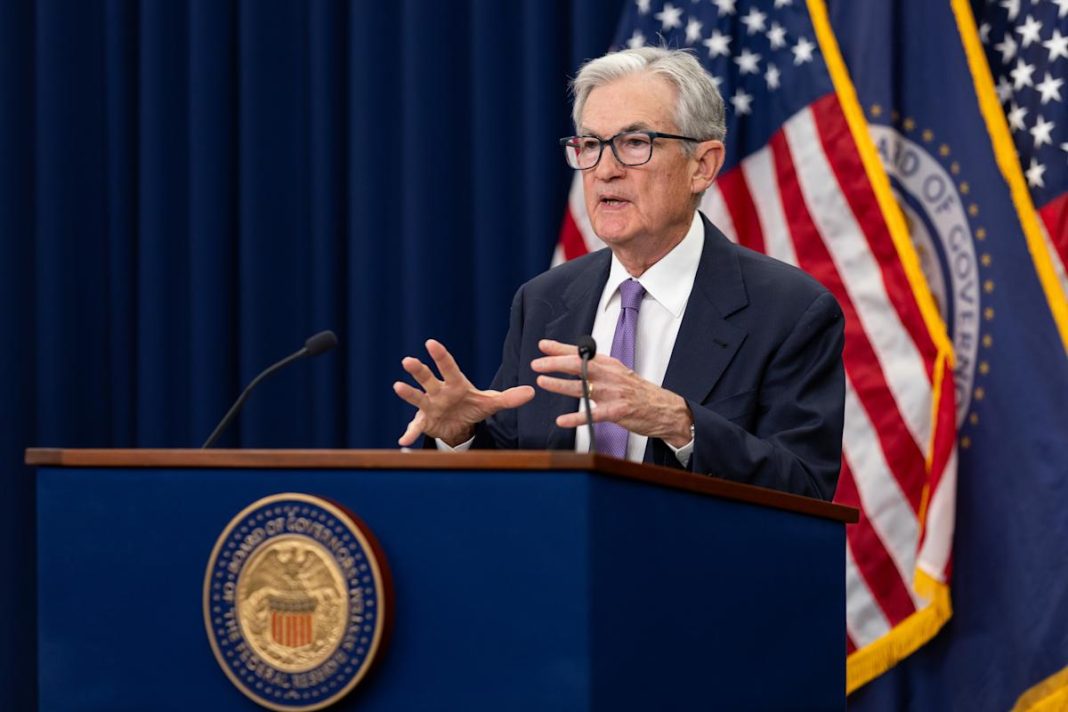
The financial world recently held its breath, and then exhaled a collective, albeit cautious, sigh of relief as the Federal Reserve announced a quarter-point rate cut. This move, a subtle yet significant shift in monetary policy, aims to provide a gentle nudge to the economy. But while many might cheer the prospect of cheaper borrowing, Fed Chair Jerome Powell’s accompanying remarks struck a more somber chord: “There is no risk-free path.” It’s a powerful statement that reminds us the economic journey ahead is far from smooth sailing.
The Gentle Nudge: Why the Fed Stepped In
A quarter-point reduction might seem small, but its ripple effects can be substantial. The primary goal of such a cut is to stimulate economic activity. Lower interest rates typically translate to cheaper loans for businesses, encouraging investment, expansion, and hiring. For consumers, it can mean more affordable mortgages, car loans, and credit, potentially boosting spending. The Fed’s decision often signals a proactive stance against potential slowdowns, perhaps reacting to global economic uncertainties or signs of softening domestic growth.
This isn’t a desperate plunge, but rather a strategic calibration. It suggests the Fed sees room to maneuver and wants to ensure the economy continues its expansionary path without hitting unnecessary headwinds. It’s like easing off the brake a tiny bit to maintain momentum on a long journey, recognizing that external conditions might demand a slightly different pace.
Powell’s Prudent Warning: Navigating a Complex Landscape
While the rate cut offers a degree of economic comfort, Powell’s “no risk-free path” declaration serves as a crucial reality check. It’s a reminder that even with monetary policy adjustments, fundamental challenges persist. These can range from geopolitical tensions and trade disputes to underlying structural issues within the economy that interest rate adjustments alone cannot fix. It’s a call for businesses, investors, and individuals to maintain their vigilance and avoid complacency.
This statement underscores the complexity of the current economic environment. The Fed isn’t suggesting impending doom, but rather emphasizing that every decision, every policy, comes with its own set of potential outcomes and unforeseen challenges. As financial advisor Anya Sharma succinctly put it, “The Fed has given us a little more breathing room, but Powell’s caution is key. It’s not an ‘all clear’ signal; it’s an invitation to be more mindful of our financial decisions, not less.” It encourages a balanced perspective: appreciate the stimulus, but don’t lose sight of the inherent uncertainties.
What This Means for Your Financial Path
For those looking to borrow, the lower rates might present an opportune moment. Refinancing a mortgage or taking out a business loan could be more attractive. However, Powell’s words urge caution. It’s not about borrowing indiscriminately, but rather making sound, strategic decisions based on one’s personal or business financial health and future prospects. For investors, the landscape remains dynamic. While lower rates can sometimes boost asset prices, the underlying risks highlighted by Powell mean that careful diversification and a long-term perspective remain paramount.
Ultimately, the Fed’s latest move is a nuanced signal: a helpful hand extended, yet accompanied by a stern reminder that resilience and informed decision-making are more critical than ever. We’re on a path, certainly, but it’s one that demands our attention at every turn.

