


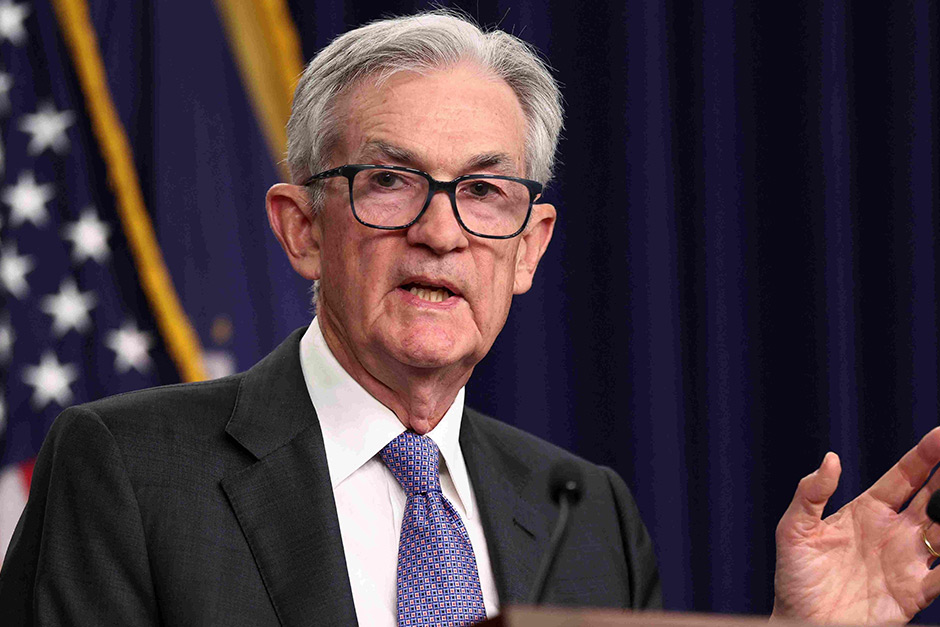
The financial world just got a fresh signal from the Federal Reserve: interest rates are moving down. While news of a rate cut often sparks excitement and speculation about easier borrowing and a booming economy, the recent announcement comes with a significant caveat. This isn’t a declaration of an open season for multiple cuts; instead, it’s a careful adjustment, a gentle tap on the brakes, with future moves strictly dependent on how the economic landscape evolves.
A Proactive Nudge, Not a Panic Button
Why now? The Fed’s decision to lower rates reflects a blend of proactive strategy and watchful concern. While the domestic economy has shown resilience, there have been underlying currents suggesting a potential slowdown. Global trade tensions, a weakening manufacturing sector, and subdued inflation have all played roles in shaping this outlook. A rate cut at this juncture can be seen as an insurance policy – a move designed to buffer the economy against potential future shocks and keep the expansion on track. Lower borrowing costs for businesses and consumers can stimulate investment, encourage spending, and provide a much-needed boost when uncertainties loom. It’s about ensuring the engines of growth continue to hum, even if a bit more quietly than before.
This isn’t to say the economy is in dire straits; far from it. Rather, the Fed is demonstrating a willingness to act pre-emptively, aiming to extend the current economic cycle rather than waiting for problems to become more entrenched. It’s a delicate balancing act, designed to maintain stability without overheating or undershooting. The message is clear: they are paying attention to the subtle shifts and taking measured steps to respond.
The “Playing It By Ear” Approach to Future Cuts
Perhaps the most salient takeaway from the Fed’s communication isn’t just that they cut rates, but how they framed future actions. There was a distinct lack of commitment to a series of subsequent cuts. Instead, officials emphasized a “data-dependent” approach, signaling that each future decision would be made on a meeting-by-meeting basis, contingent on incoming economic data. This “playing it by ear” strategy underscores the prevailing uncertainty and the nuanced position the central bank finds itself in.
What does this mean for us? It suggests that the Fed is not convinced that a full-blown easing cycle is necessary at this point. They want to see how this initial cut impacts the economy, how inflation behaves, and whether global conditions stabilize or deteriorate further. It’s a testament to a cautious optimism, mixed with a healthy dose of realism about the challenges ahead. As one market analyst, Sarah Chen, succinctly put it, “This isn’t a signal for an aggressive easing cycle; it’s more like a careful adjustment, an acknowledgment that global headwinds are real, but they’re still waiting for clearer domestic signals.” This nuanced stance means we shouldn’t expect an automatic cascade of further cuts, but rather a thoughtful evaluation process.
For individuals and businesses, this implies that while borrowing costs might have ticked down slightly, it’s not an open invitation to assume rock-bottom rates indefinitely. Strategic financial planning remains paramount, as the path forward is far from predetermined.
What Happens Next?
The Fed has shown its hand with this initial rate cut, but the game is far from over. All eyes will now be on upcoming economic indicators: inflation reports, employment figures, manufacturing data, and developments in international trade. These will be the compass points guiding the central bank’s next moves. The cautious approach suggests a willingness to adapt, to pivot if necessary, but also a reluctance to overcommit in an environment filled with moving parts.
In essence, the message is one of strategic flexibility. The Fed is not tying itself to a rigid trajectory, preferring instead to navigate the economic landscape with an agile mindset. For anyone tracking the pulse of the economy, this signals a period of ongoing vigilance, where every piece of data could potentially inform the next pivotal decision from the world’s most influential central bank. Stay tuned, because the economic narrative is still very much being written.

