


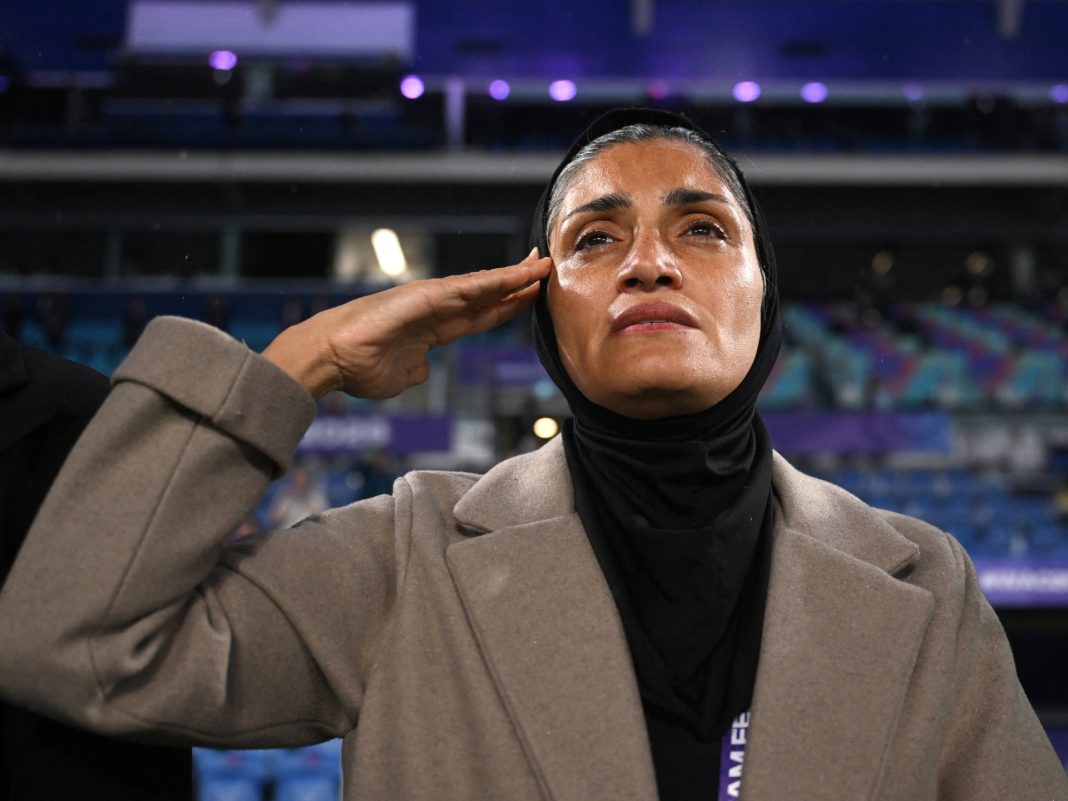
The final whistle has blown on their international campaign, but for Iran’s women’s football team, the game is far from over. As they prepare to return home, a palpable sense of apprehension hangs in the air, transforming what should be a proud homecoming into a journey fraught with uncertainty. In a nation where the lines between sport, politics, and personal freedom are increasingly blurred, the fate of these athletes has become a subject of intense global scrutiny, raising concerns far beyond the football pitch. From an Indian perspective, observing events in a neighbouring region, the situation underscores the universal challenges faced by sportswomen navigating complex socio-political landscapes.
A Precarious Return Amidst Deepening Tensions
The fear surrounding the team’s return is not unfounded; it is deeply rooted in Iran’s current socio-political climate. The nation has been gripped by widespread protests for over a year, sparked by the death of Mahsa Amini in morality police custody. These demonstrations, championed largely by women, have challenged the state’s stringent mandates on dress and public conduct, leading to a fierce crackdown and increased scrutiny on any perceived deviation from official norms.
Iranian athletes, particularly women, have found themselves at the forefront of this cultural and political maelstrom. Several high-profile cases have garnered international attention, highlighting the risks involved. Last year, competitive climber Elnaz Rekabi competed in South Korea without her hijab, an act widely interpreted as a show of solidarity with the protesters. Her subsequent return to Iran was met with public concern, though she later claimed her hijab had fallen off accidentally. Similarly, other athletes and artists have faced pressure, arrests, or travel bans for actions interpreted as anti-establishment, such as refusing to sing the national anthem or making public statements. These incidents have created a chilling precedent, leaving many to wonder what reception awaits the football team.
The Double-Edged Sword of Visibility
For the women’s football team, their international visibility is a double-edged sword. While it offers a platform for their athletic prowess and cultural representation, it also places them under an intense spotlight upon their return. Every action, every gesture, or even the mere absence of certain actions, can be meticulously scrutinised by authorities. Did they fully adhere to dress codes abroad? Did they make any statements that could be construed as political dissent or a lack of patriotism? Even silence, in some contexts, can be interpreted.
The pressure on these sportswomen extends beyond just adherence to state laws; it touches upon their role as symbols. In a country where women’s rights are a central battleground, female athletes embody both national pride and potential defiance. Their participation on the international stage, while celebrated by many Iranians, is simultaneously viewed through a conservative lens by the state, which seeks to control their image and narrative.
“Every athlete returning to Iran, especially women, walks a tightrope,” remarked a human rights advocate, speaking anonymously due to the sensitive nature of the topic. “Their sport is celebrated, but their freedom is often scrutinised. The fear isn’t just about punishment, but about the chilling effect on others who dare to represent their country while also aspiring for greater personal liberties.” This sentiment perfectly encapsulates the precarious situation, where the athletes’ personal safety and future careers could hinge on the state’s interpretation of their conduct abroad.
Global Concern and India’s Watchful Eye
The international sporting community, including FIFA, often champions the separation of sports from politics. However, situations like these demonstrate the inherent difficulty in maintaining such a division when athletes become unwilling pawns in domestic struggles. Human rights organizations globally are closely monitoring the team’s return, advocating for their safety and freedom from reprisal. The outcome of this homecoming will undoubtedly set a precedent for other Iranian athletes participating in international events.
For many in India, a nation with its own complex social dynamics and a growing engagement with global sports, the developments in Iran resonate deeply. There’s a shared understanding of the importance of women’s participation in sports and the challenges they often face. Observers in the subcontinent note that while India’s context is vastly different, the struggle for athletes to maintain their individuality and freedom of expression, even while representing their nation, is a universal one. The plight of the Iranian team serves as a stark reminder of how political tensions can overshadow sporting achievements, urging a global conversation about the protection of athletes’ rights and well-being.
As Iran’s women’s football team prepares to step onto home soil, their return is more than just the end of a tournament; it is a poignant moment reflecting the broader struggle for human rights and individual freedom in Iran. The world watches with bated breath, hopeful for their safety and for a future where athletes can represent their nations without the specter of fear and uncertainty. Their journey underscores the critical need for international solidarity and continued advocacy for the rights of all athletes, particularly women, who bravely pursue their passions against formidable odds.

